Fact-checked 22 July 2026. Destination and historical details were checked against official tourism, park and UNESCO sources. The driving bands are planning ranges, never guarantees: congestion, roadworks, Etna weather, parking and summer traffic can move an outing from one band into the next.
Giarre works as a base when you think in directions, not kilometres
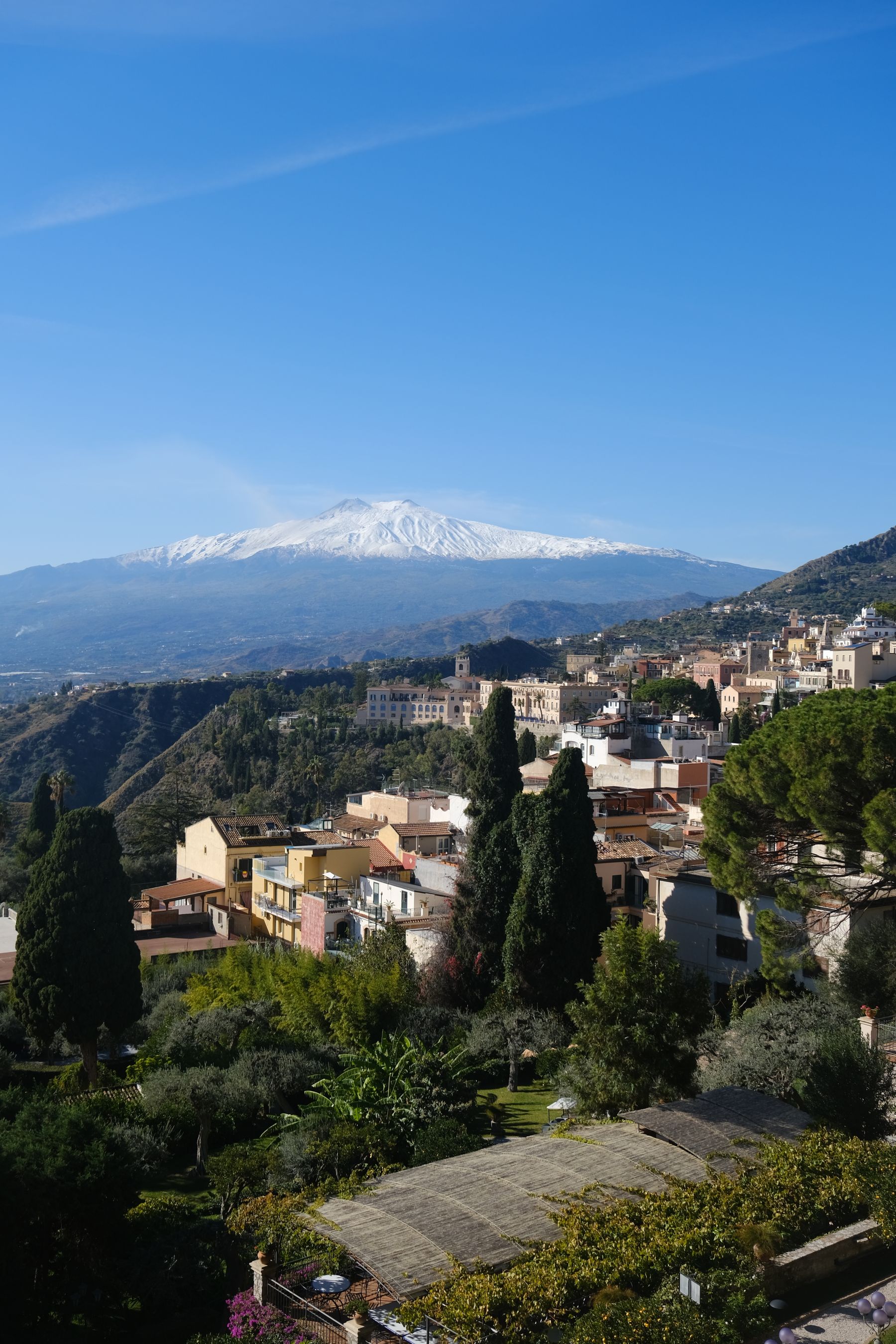
Giarre occupies the narrow transition between Mount Etna’s eastern slope and the Ionian Sea. That makes it less immediately picturesque than Taormina, but far more useful as a base. North are Taormina, the Alcantara Valley and the hill towns of Messina province. South, the railway and motorway follow the coast through Acireale to Catania and onward to Syracuse. West, vineyards, chestnut woods and lava terrain begin almost at once. Sicily’s official tourism site likewise presents Giarre as a starting point between Etna and the Ionian coast.
The twelve outings below are not a ranking of Sicily’s most famous sights. They are here because they function as complete days from Giarre without turning every morning into a transport exercise. “Around 30 minutes” usually means a local half-day or a forgiving late start. “Around 60 minutes” calls for a clear plan. “Around 90 minutes” should be the day’s main event and merits an early departure. Always calculate from your door to a plausible parking place—not merely to a municipal boundary in a route app.
If you have not decided whether to drive, compare the Sicily car-hire guide with Sicily without a car. Several coastal days are possible by train from Giarre-Riposto, while the mountain outings become substantially easier with a car.
History explains why so much fits inside a day-trip radius
Eastern Sicily was never organised around a single capital. It is a dense layer of Greek colonies, Roman roads, Norman churches, commercial towns, fishing harbours and cities rebuilt after the 1693 earthquake. Giarre expanded as a trading junction on the Catania–Messina corridor, while Riposto at sea level served as a port for wine and agricultural produce from Etna’s slopes. The old routes still obey the landscape: north–south beside the sea, and up–down between ports and mountain settlements.
Etna supplies the second explanation. The volcano creates distance even where two places appear close on a map; roads circle its flanks rather than crossing the summit. In return, the scenery changes within remarkably little space. One day can pass from citrus groves at sea level to black lava walls in a wine village and beech or birch woodland higher up. UNESCO identifies Etna’s lava flows, cones, caves and the Valle del Bove as parts of one of the world’s best documented active volcanic landscapes. That geography makes nearby trips unusually varied, but it also demands respect for weather and official access restrictions.
Four outings in the near band: often within about 30 minutes
This band is deliberately elastic. A quiet weekday can feel very short; an August Sunday or feast day may double the final section. Its advantage is resilience: none of these days is ruined by a late start.
1. Riposto, Torre Archirafi and the sea below Giarre
The most underrated excursion is barely an excursion. Drive or walk down to Riposto, begin near the fishing harbour and continue along the coast towards Torre Archirafi. Here the relationship between Etna’s agriculture and the sea is visible without staging: fishing boats, dark lava rock, small bathing accesses and local families taking their evening walk. It suits an arrival day, a calm-water swim or a day when cloud conceals the volcano. Much of the shore is rocky, so water shoes are more useful than an elaborate beach kit.
Do not plan Riposto as a collection of monuments. Let the harbour, a coffee, lunch and coastal light provide the structure. You can combine it with Giarre’s cathedral and shopping streets, so the day shows both the commercial town and the port. For families with small children or travellers holding a late flight, the absence of a rigid sightseeing list is precisely what makes the day valuable.
2. Acireale, the Timpa escarpment and Santa Maria La Scala
Acireale is the nearby culture day: Baroque façades, lava stone and a city that feels inhabited rather than curated. Start in Piazza del Duomo, walk the central streets, then decide whether the temperature suits the descent towards Santa Maria La Scala. The historic Chiazzette path cuts down through the Timpa escarpment; the official tourism page describes the connection between Acireale, the Timpa reserve and the fishing village below.
Do not promise yourself a long city walk, the full stair route and a swim in the middle of a fiercely hot day. Choose two. In summer, city in the morning and harbour in late afternoon is the sounder sequence. After rain or during extreme heat, read local signs and turn back if the path is slippery or closed. The road down is narrow and parking limited; the walk is beautiful, but the climb back is genuine.
3. Milo and Zafferana Etnea: the inhabited volcano
Many visitors leap directly from the coast to Etna’s high visitor stations. A slower day in Milo and Zafferana reveals the volcano on which people actually cultivate vines, honey and fruit among old and recent lava flows. Milo is small and green on the eastern slope; Zafferana has more town life, broad coastal views and useful lunch choices. Visit only producers that publish opening hours or confirm appointments. A pin on a map does not make a vineyard a walk-in tasting room.
This day is particularly good in spring, early summer and autumn. In winter, elevation can deliver colder and wetter conditions than Giarre. In summer, the air is often more comfortable than on the coast, but wildfire risk and local road closures must be taken seriously. Do not automatically add the summit tourism zone. A day about the inhabited volcano loses its point when reduced to a quick stop en route to a ticket queue.
4. Taormina and Giardini Naxos before or after peak pressure
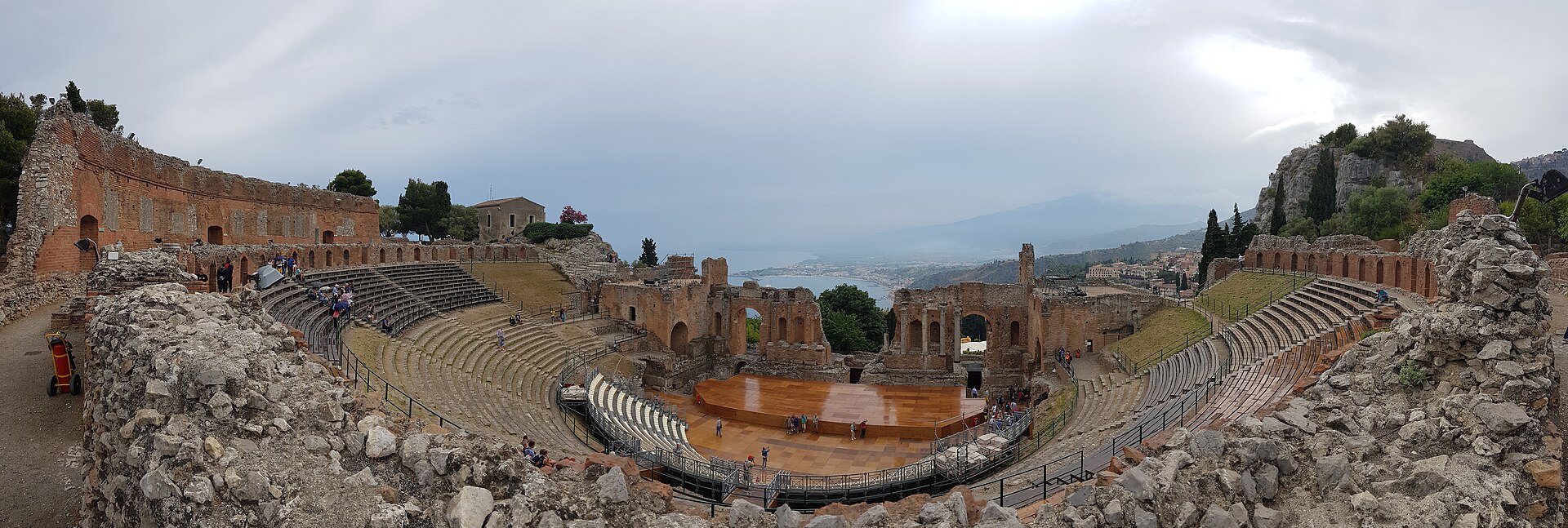
Taormina is close enough that distance is not the main problem; arrival is. Drive early to an official car park, or take the train to Taormina-Giardini and use the onward local connection. Walk Corso Umberto, explore side streets and decide beforehand whether the Greek-Roman theatre is the day’s anchor. The regional archaeological park, presented through Visit Sicily, explains the theatre’s stage, orchestra and rock-cut cavea; it is much more than a viewing platform.
Giardini Naxos gives the day a second rhythm. Eat or swim by the coast instead of spending every hour in Taormina’s costliest and busiest lanes. Adding Castelmola and Isola Bella can look efficient, but often produces a day of lifts, parking changes and waiting. Use the dedicated Taormina guide to decide what is genuinely worth your money and time.
Five outings in the middle band: often about 30–60 minutes
Departure time and weekday matter more here. The motorway may be fast, but access roads, tolls, urban traffic and parking constitute a large share of the real journey. Never place a timed ticket tight against an app’s predicted arrival.
5. Aci Trezza and Aci Castello on the Cyclops coast
Aci Trezza is a sensory coast day: basalt sea stacks rise from the water, small boats fill the harbour, and literary and mythical layers sit on top of working fishing life. Visit Sicily describes the Faraglioni dei Ciclopi and surrounding marine reserve. View the rocks from the promenade or choose a properly authorised local boat operator, but never assume calm weather in Giarre guarantees a calm sea here.
Continue to Aci Castello for the Norman castle on its lava outcrop and another perspective along the coast. The towns are close, yet parking can make a car move slower than expected. In high summer, early morning, a late lunch and an evening swim work better than a midday arrival on Sunday. The rocky shore requires secure footwear and respect for waves; it is not a conventional sand-beach day.
6. Catania as market city, Baroque city and living metropolis
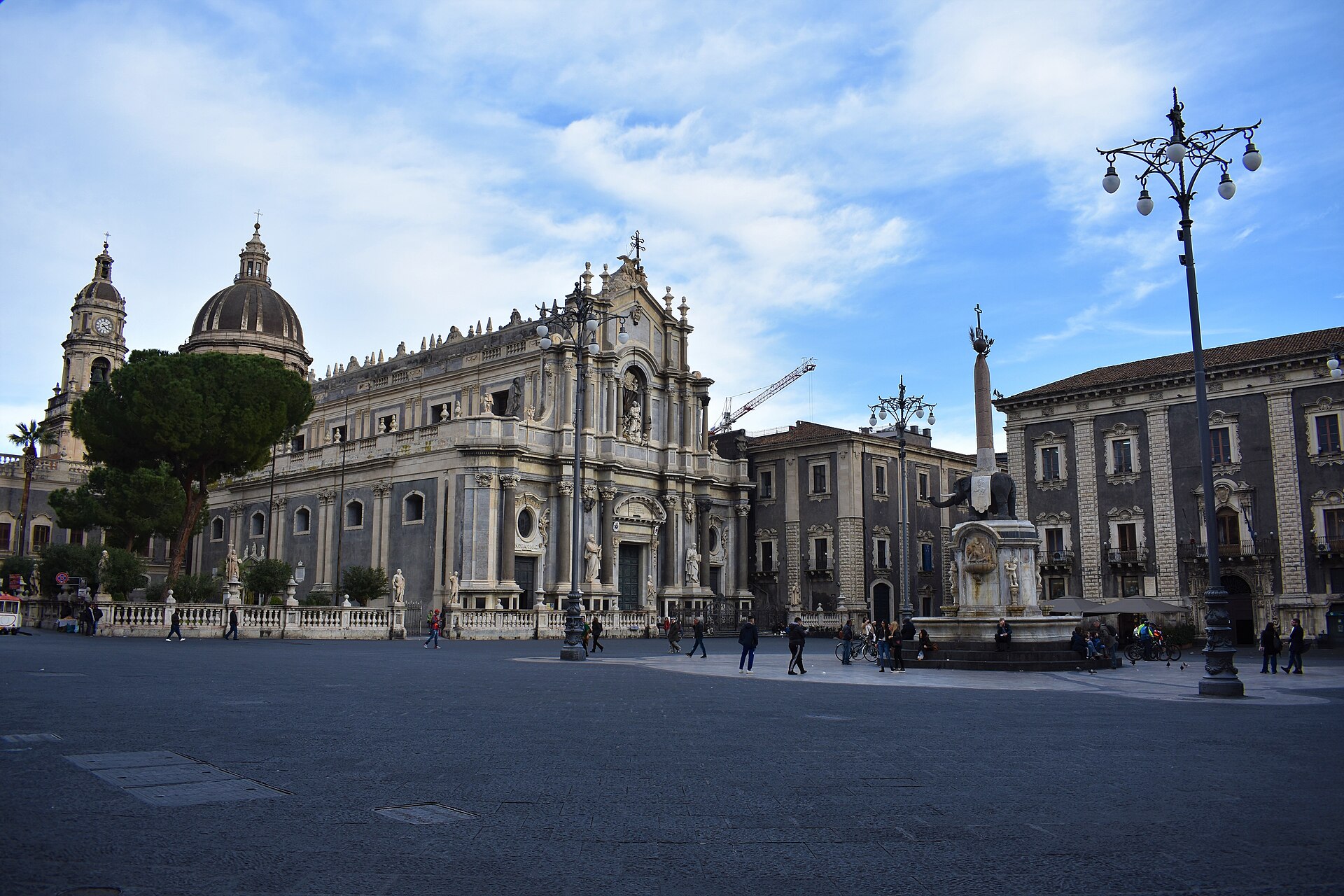
Catania deserves a full urban day, not two hours between airport and Etna. Park in a known facility or use the train from Giarre-Riposto, then begin near Piazza del Duomo and the Pescheria while the market is working. Continue towards Via Crociferi, the Roman amphitheatre or the Benedictine monastery according to interest. Visit Sicily’s official Catania guide explains both the fish market and the contrast between pale Baroque and black lava stone.
The city was shaped by Etna’s 1669 eruption and the 1693 earthquake, but it is not an open-air museum. Traffic, university life, market cries and weathered façades belong to the experience. In midsummer, place architecture in the morning and use the hottest hours for a long meal or indoor visit. Consult Catania airport to Giarre transport if the city day touches your arrival or departure.
7. The Alcantara Gorge and Castiglione di Sicilia
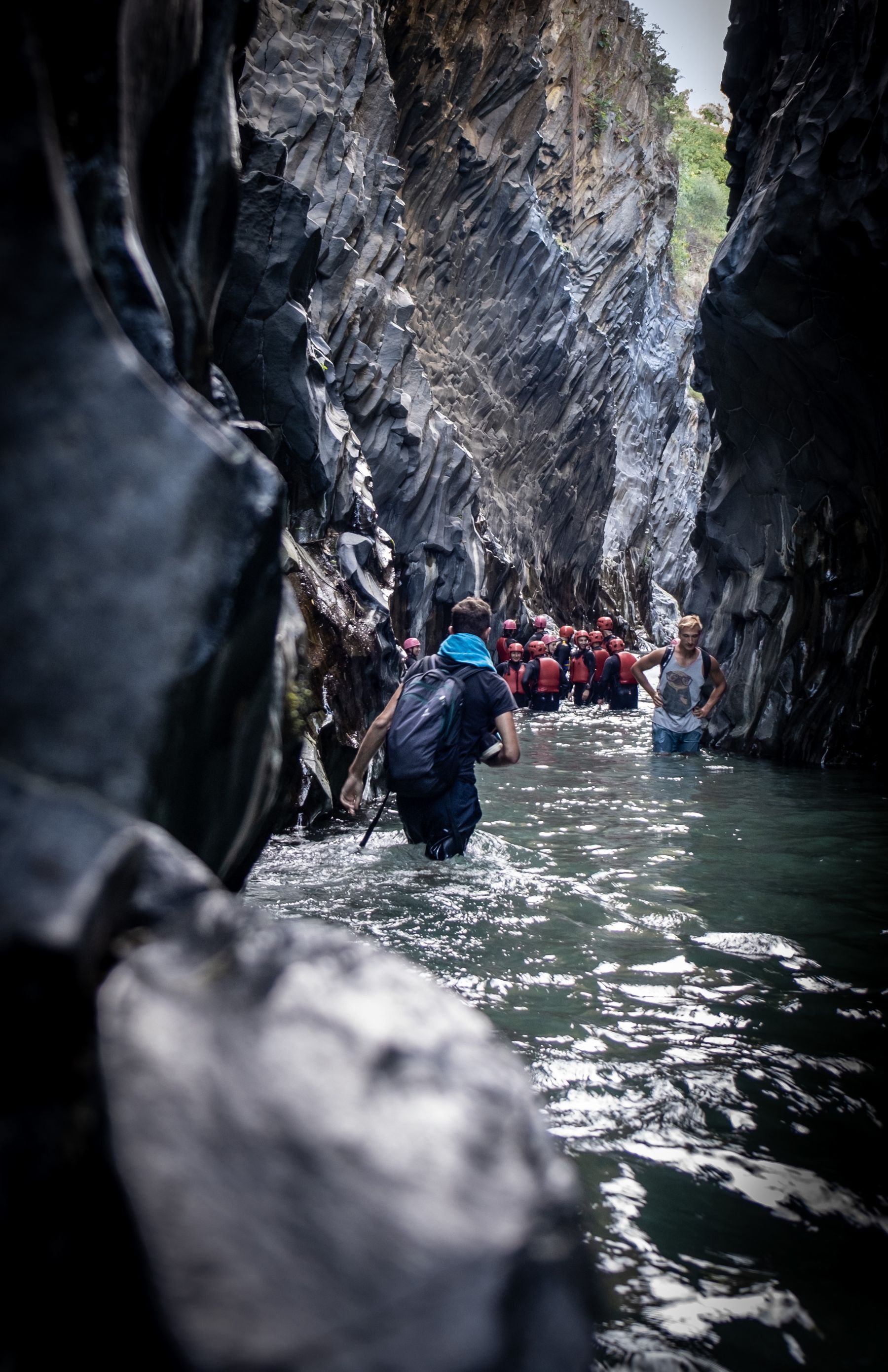
The Alcantara River cuts through basalt in forms that can appear engineered. Sicily’s official tourism site explains the gorge’s volcanic geology, cold river and distinction between equipped access and municipal viewpoints. Arrive early, check water conditions and access, and treat the river as nature rather than a water park. Even in August the water is cold, and slippery stones make flimsy sandals a poor choice.
Add Castiglione di Sicilia if energy permits. The hill town contributes medieval lanes, wine country and a slow lunch to an otherwise physical nature day. Do not schedule a fixed tasting immediately after water activity if the driver also expects to taste. In spring and autumn, water and weather may change the plan; in summer, visitor pressure becomes the chief variable.
8. Etna North at Piano Provenzana
From Giarre, the north-eastern flank is often the most logical higher-Etna day. The road climbs through Linguaglossa and woodland to Piano Provenzana, where the landscape bears conspicuous traces of the 2002 eruption. What can be done from there depends on volcanic activity, wind, snow, official closures and the selected guided service. Etna is not an attraction with an immutable opening time.
Bring layers, water, sun protection and closed footwear even when Giarre is hot. Check official notices that morning, and accept a lower walk or forest day as a legitimate alternative. UNESCO describes Etna as an active natural and research landscape; its changeability is part of what you have come to understand. The fuller independent Etna safety and packing guide helps define what “independent” can safely mean.
9. Savoca and Forza d’Agrò—beyond film locations
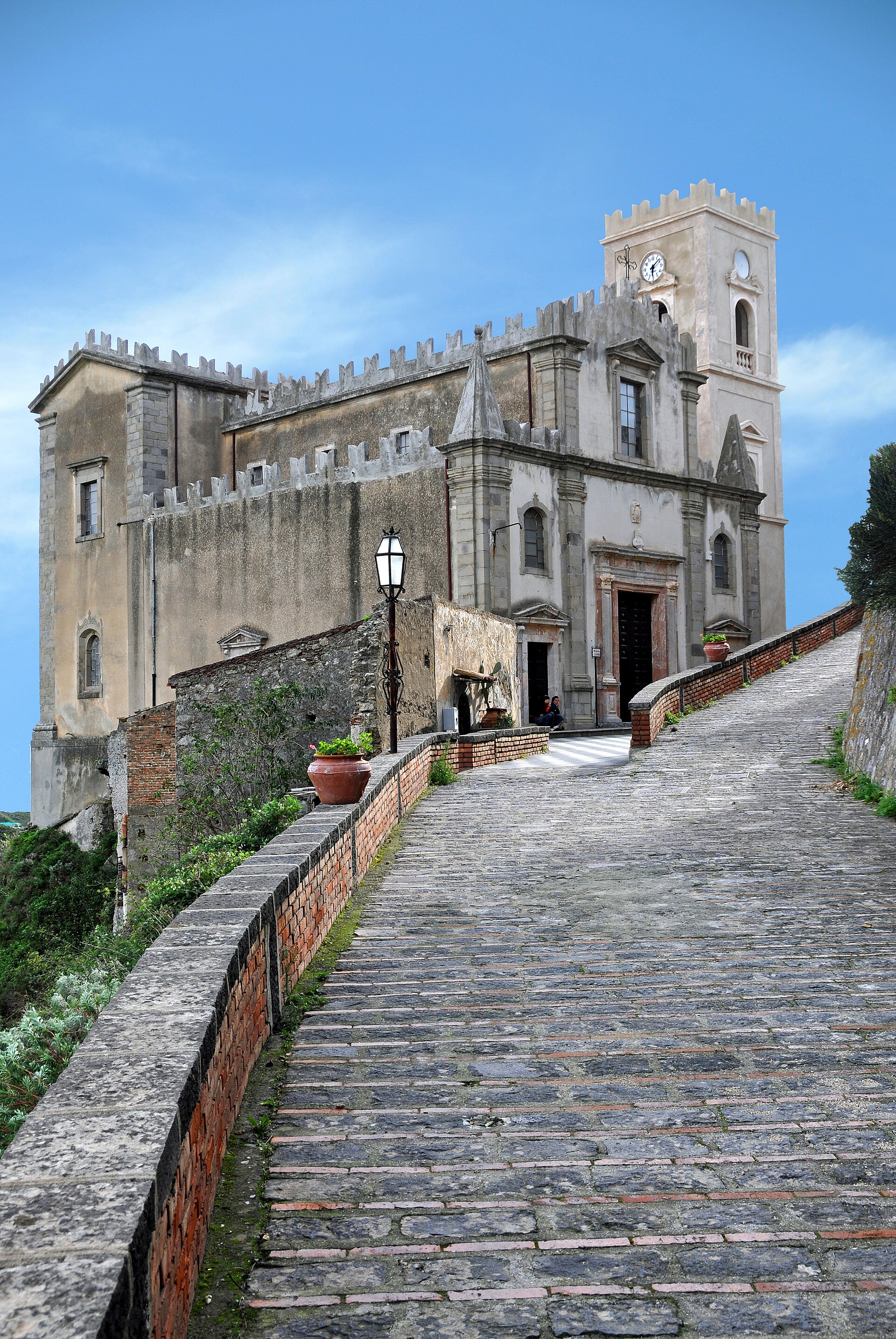
Savoca is internationally familiar from The Godfather, yet the village holds a much older history. Its official tourism page details Norman traces, the churches of San Michele and San Nicolò, and the Capuchin crypt. Climb at an unhurried pace and read the landscape: the settlement occupied a strategic position above the coast long before a film crew arrived.
Forza d’Agrò can add views, churches and another hill-town texture, but both places are steep and hot at midday. Make Savoca the anchor and the second village a bonus rather than an obligation. Respect services, church hours and local rules in the crypt. Film references may open the door; the stronger day also notices citrus valleys, medieval structure and ordinary village life.
Three longer day trips: often about 60–90 minutes or a little more
Do not combine these outings with one another. Leave early, and expect a summer Saturday to push the real journey beyond 90 minutes. If the day includes a timed ticket, protect it with a parking and final-walk buffer.
10. Randazzo, Etna’s north-western lava town
Randazzo sits on the far side of the volcano and therefore feels farther away than the straight line on a map. The journey around Etna belongs to the experience: hazelnut and pistachio country, vineyards, black stone and changing views. The town is known for medieval churches and lava-built architecture. Visit Sicily calls Randazzo a natural gateway to Etna, Nebrodi and Alcantara parks.
Allow it to be a town rather than a rest stop on an exhausting volcano loop. See Santa Maria Assunta, walk the dark-stone streets and eat locally. Market days and religious festivals can animate the visit while complicating parking. In winter, daylight is shorter and the north flank can be significantly colder than the coast.
11. Etna South at Rifugio Sapienza and the Silvestri craters
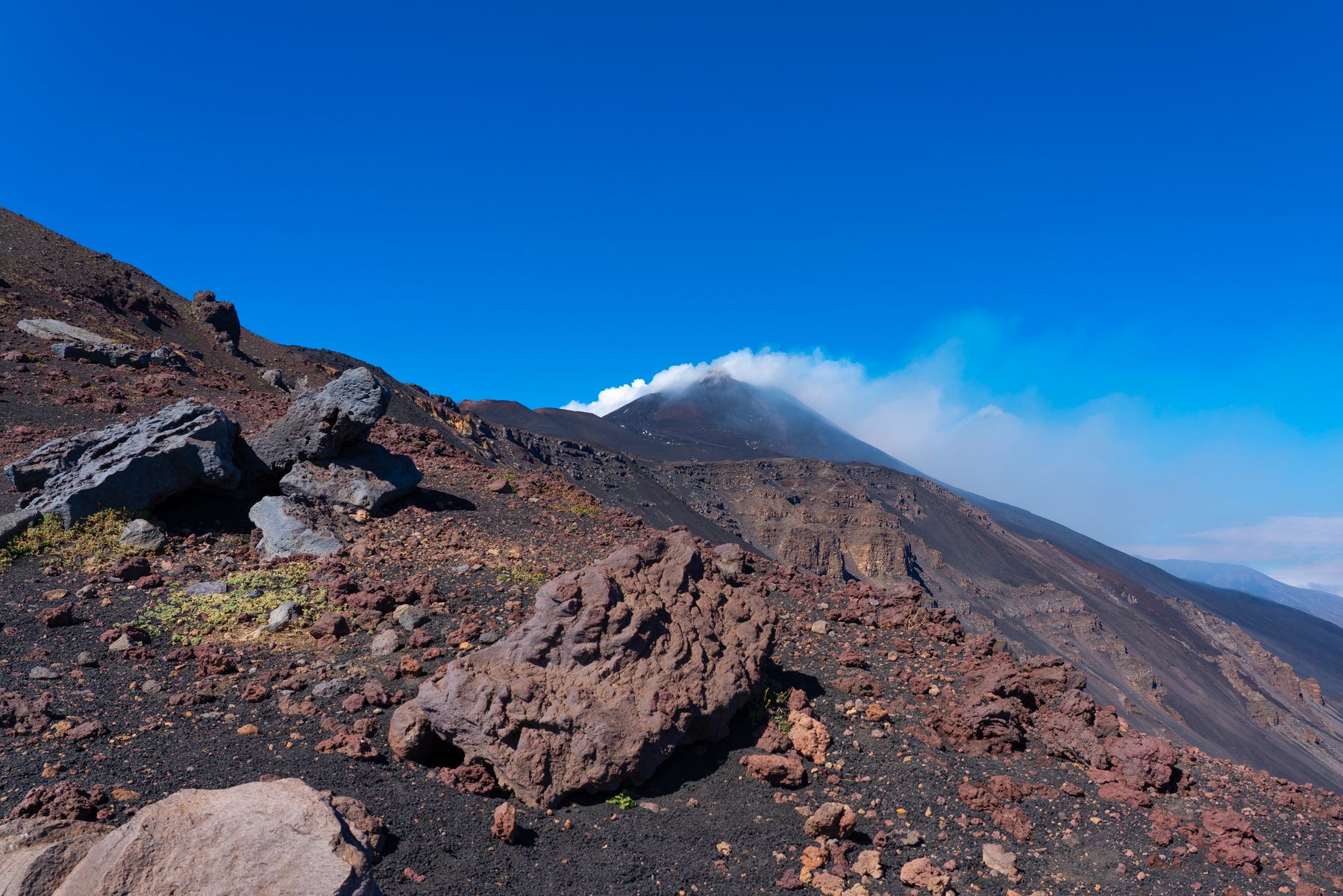
The south side contains Etna’s most developed visitor infrastructure and the familiar approach from Rifugio Sapienza. Reaching it from Giarre means circling part of the volcano, so it belongs in the longer band despite appearing close. The lower Silvestri craters may be accessible without a summit excursion; higher transport and guided access depend on operations and safety rules. Do not accept an unofficial claim that any ticket automatically takes you to “the summit”.
Weather can shift from coast sun to fog, wind or cold. Check conditions and activity, and never let an expensive reservation press you beyond an official barrier. If high access closes, Nicolosi, lower lava terrain or a pre-booked winery can still make a coherent day. This overlaps thematically with Etna North but feels different: more infrastructure and people, balanced by a clear introduction for first-time visitors.
12. Syracuse and Ortigia as one substantial culture day
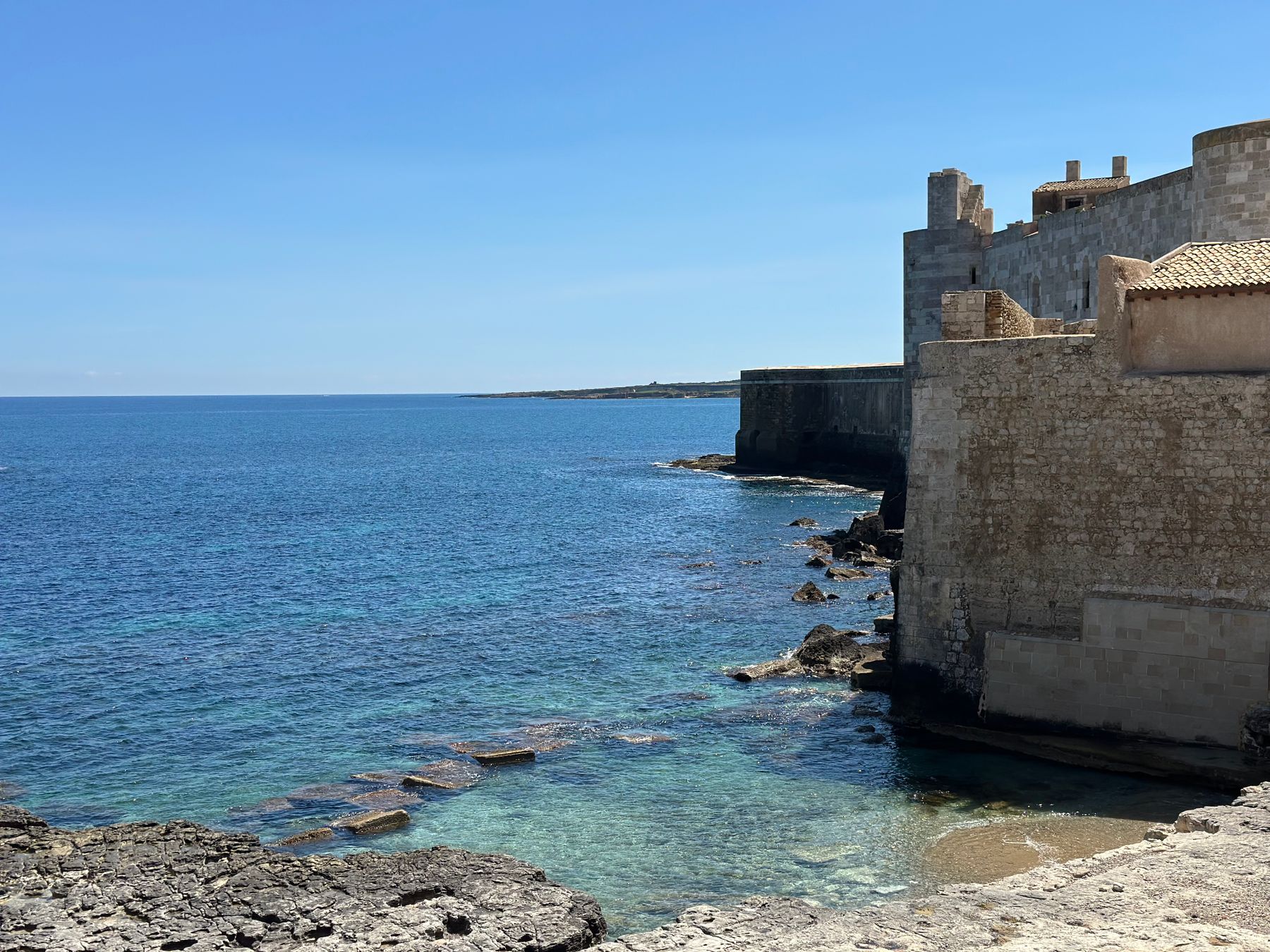
Syracuse is the longest recommended day trip in this collection and deserves an early start. Choose between two anchors: Neapolis with its Greek theatre, stone quarries and Roman amphitheatre, or Ortigia with the Temple of Apollo, market, cathedral and waterfront. Both are possible at a moderate pace, but not if every object must be studied. UNESCO presents Syracuse and Pantalica as testimony to three millennia of Mediterranean civilisation.
Park outside Ortigia’s limited traffic zone and walk in. As of July 2026 the municipality operates extended ZTL periods, making an improvised drive towards the cathedral a poor plan. Use the complete Syracuse and Ortigia guide for route, ZTL and priorities. On a hot day, Neapolis in the morning and Ortigia in late afternoon is the most robust order.
How to choose the right outing on the right day
Look first at weather, then weekday, then the group’s energy. Clear, cool air suits Etna. Still conditions suit coast and boat. An overcast day is excellent for Catania or Syracuse. Mondays and public holidays demand another check of museums, churches, markets and transport. Official hours and traffic notices should always be reviewed close to departure; this article supplies decision logic, not a permanent timetable.
With children, distance alone is a poor measure of effort. A short, steep Acireale day may be harder than a longer drive to somewhere shaded with straightforward parking. Without a car, Taormina, Acireale, Catania and Syracuse are the clearest options on the Ionian railway axis; Trenitalia’s current Taormina Line page explicitly includes Giarre and Acireale. Always search the specific departure on the day.
The less obvious choice: let Giarre keep a whole day
The standard mistake is to use Giarre as a dormitory and regard every hour in town as wasted. A local day gives access to the Sicily that is not organised for visitors: morning shopping, bars with regulars, practical workshops, families on the passeggiata and the link down to Riposto. It also creates enough slack to move Etna when weather changes without breaking the itinerary.
With seven days, do not choose seven of these twelve outings. Select four large days, two small ones and one open day. A balanced version might use Taormina, Etna North, Catania and Syracuse as anchors; Riposto and Acireale as slower days; and Alcantara or beach as the weather reserve. That resembles the logic in the realistic seven-day Sicily road trip, where variety and recovery create quality—not the greatest possible number of map pins.
Conclusion: radius is an advantage when the itinerary is not a contest
From Giarre, you can reach remarkably different Sicilies: the fishing harbour below town, Baroque urban spaces, Greek theatres, a cold basalt gorge, wine villages and an active volcano. The broad 30-, 60- and 90-minute bands help pace those days, but traffic, season and actual conditions always outrank them.
Give each day one central idea. Reach popular places early, keep nearby outings available for arrival, heat or fatigue, and consult official sources before driving onto Etna or into any restricted traffic zone. Giarre then ceases to be merely a cheaper alternative to Taormina. It becomes a base from which the east coast’s geography can be understood at a pace slow enough for places to remain distinct.