The essentials in one minute
- Choose the side of Etna according to today's weather.
- Bring layers and good shoes even when the coast is hot.
- Keep higher routes flexible and respect every closure.
- Choose an attractive alternative before leaving.
What a good day on Etna requires
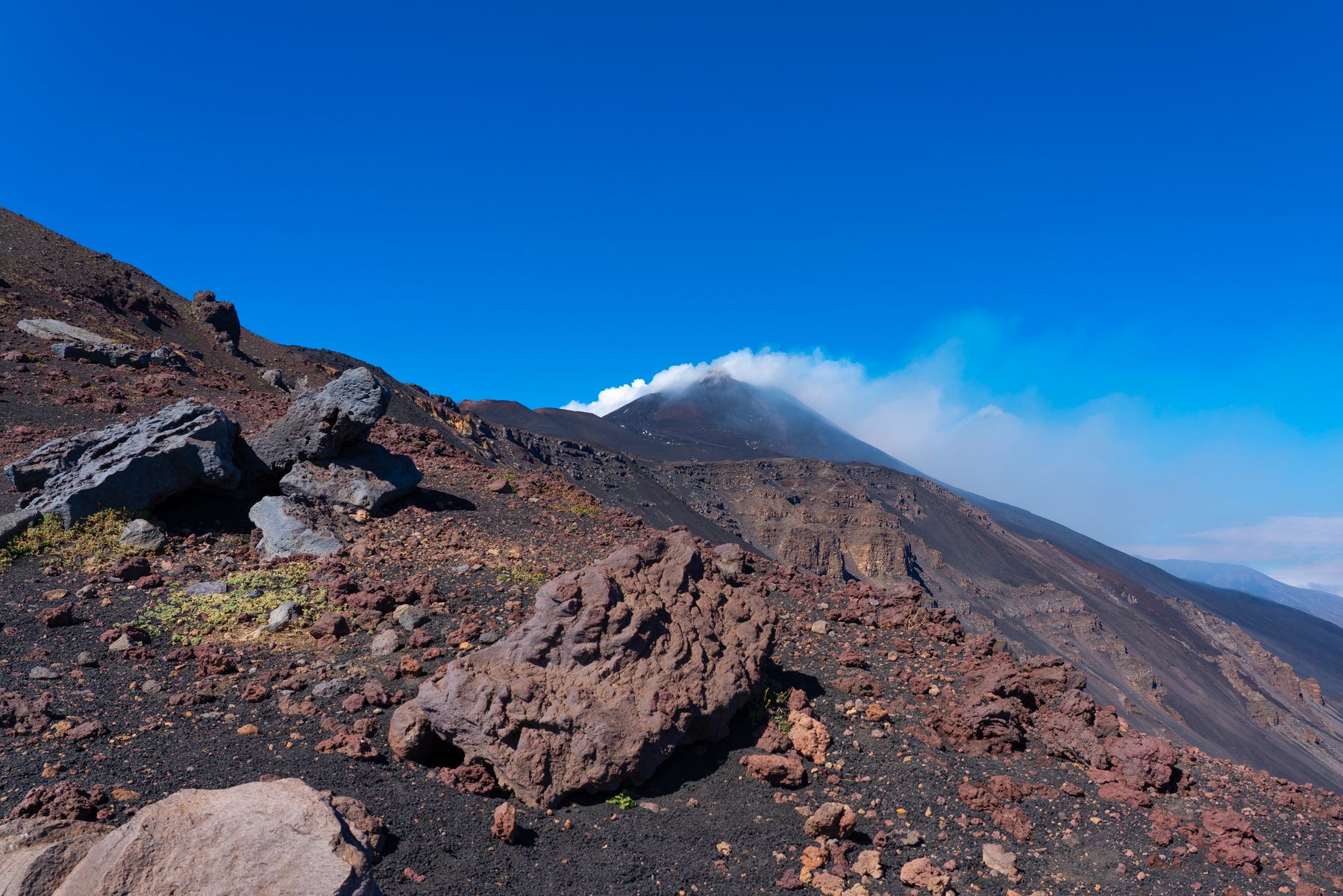
An independent visit can be one of Sicily's most memorable experiences, but Etna is not a museum with fixed conditions. Altitude, wind, ash and volcanic activity can change the available routes from one day to the next. Separate the visit into lower craters and trails, the middle zone reached by paid transport, and higher areas where an authorised mountain guide may be required.
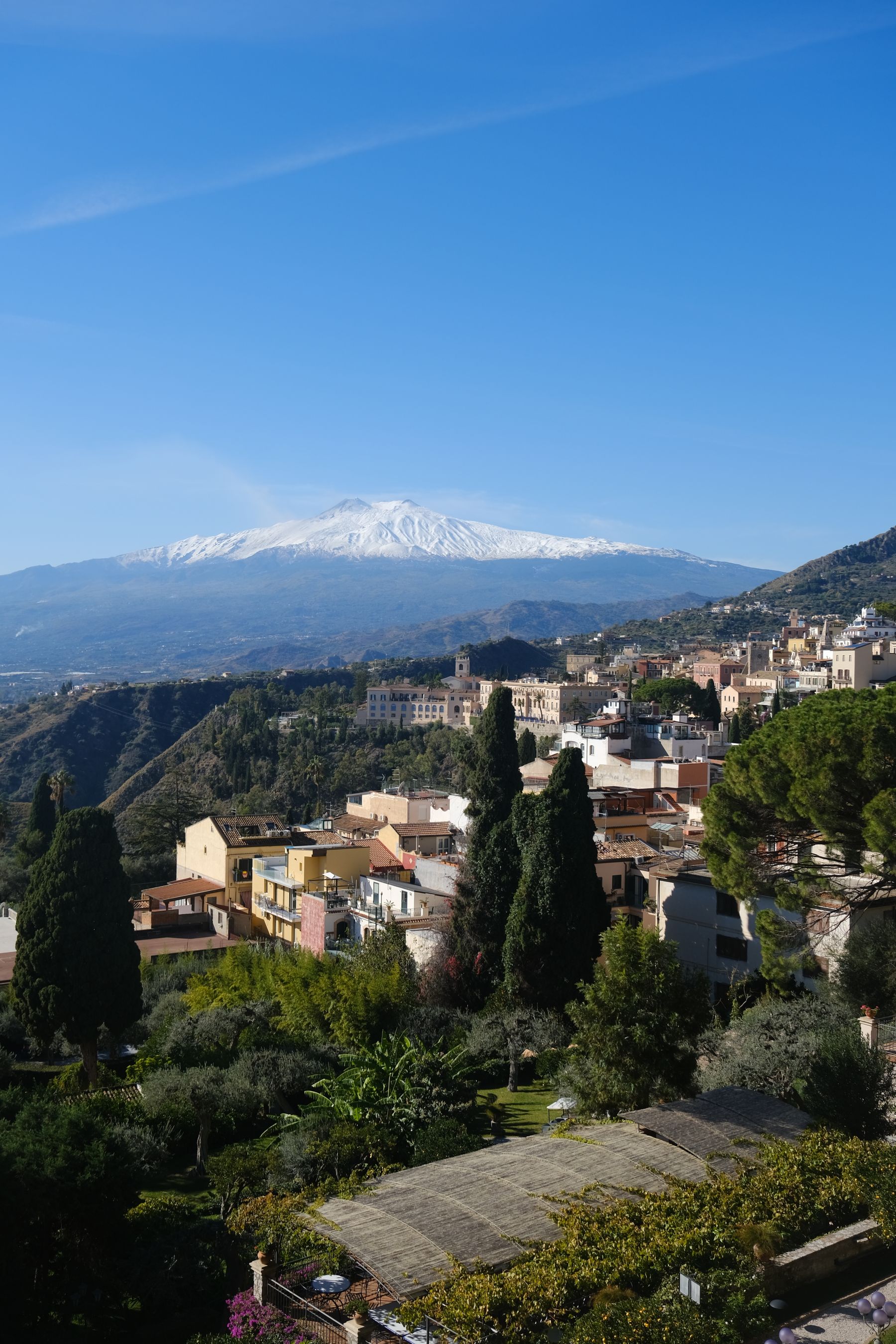
Etna is also part of everyday life. Nicolosi, Zafferana Etnea, Linguaglossa and Milo live with both the opportunities and risks of the mountain. Volcanic soil supports vineyards and orchards, Bronte is known for pistachios, and ash occasionally disrupts roads and flights. A good visit connects the black landscape with the villages and farms around it.
Why Etna matters so much in Sicilian history
Greek communities interpreted the volcano through myths about Hephaestus, but they also understood how eruptions and ash affected farming, settlements and trade. Roman, Byzantine, Arab, Norman and Spanish rulers all had to live with the same physical presence.
The eruption of 1669 remains a defining event because lava reached towards Catania and changed defences, roads and religious traditions. From the nineteenth century, systematic observation supplemented myth, and Etna became an important place for geology, volcanology and civil protection.
Tourism now supports guides, transport, restaurants and farm stays, but also puts pressure on trails, parking and waste services. Following the rules protects both the active landscape and the communities that depend on it.
Choose between Etna's different areas
The southern side around Nicolosi and Rifugio Sapienza is the most developed access, with parking, services, a cable car and onward paid transport when conditions permit. It is usually the simplest first visit. The northern side around Piano Provenzana and Linguaglossa is quieter and more wooded at lower altitude, but takes more planning.
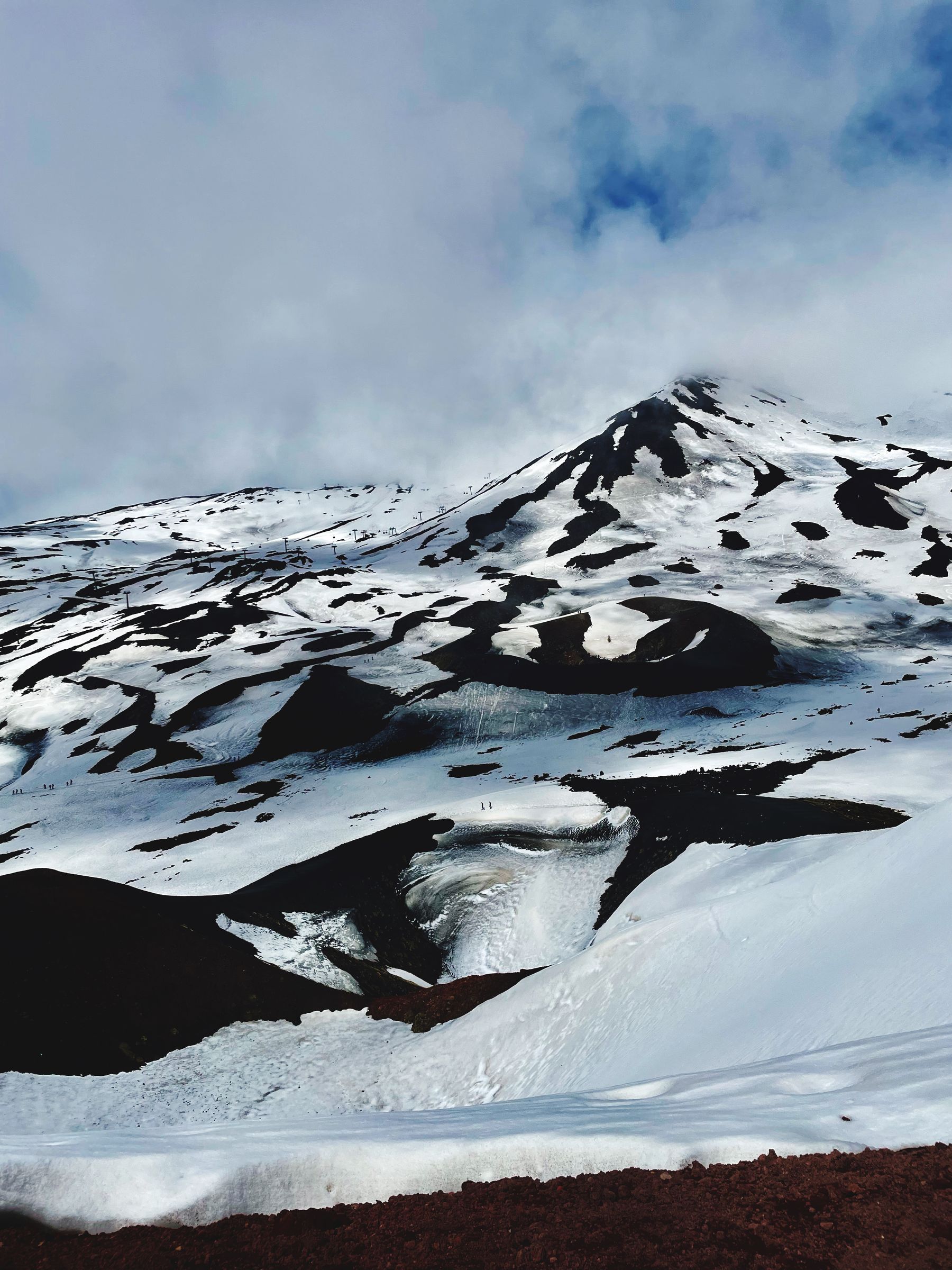
Above both sides lies more exposed terrain with fast-changing visibility and stricter access requirements. Walking independently never means ignoring restrictions; current signs and local instructions take priority over an old route or GPS track.
A quick route choice
- South, Nicolosi and Rifugio Sapienza: easiest for a first visit.
- North and Piano Provenzana: quieter, with more forest lower down.
- Lower zones: useful in uncertain weather and for families.
- Higher zones: require closer attention to rules, terrain and guidance.
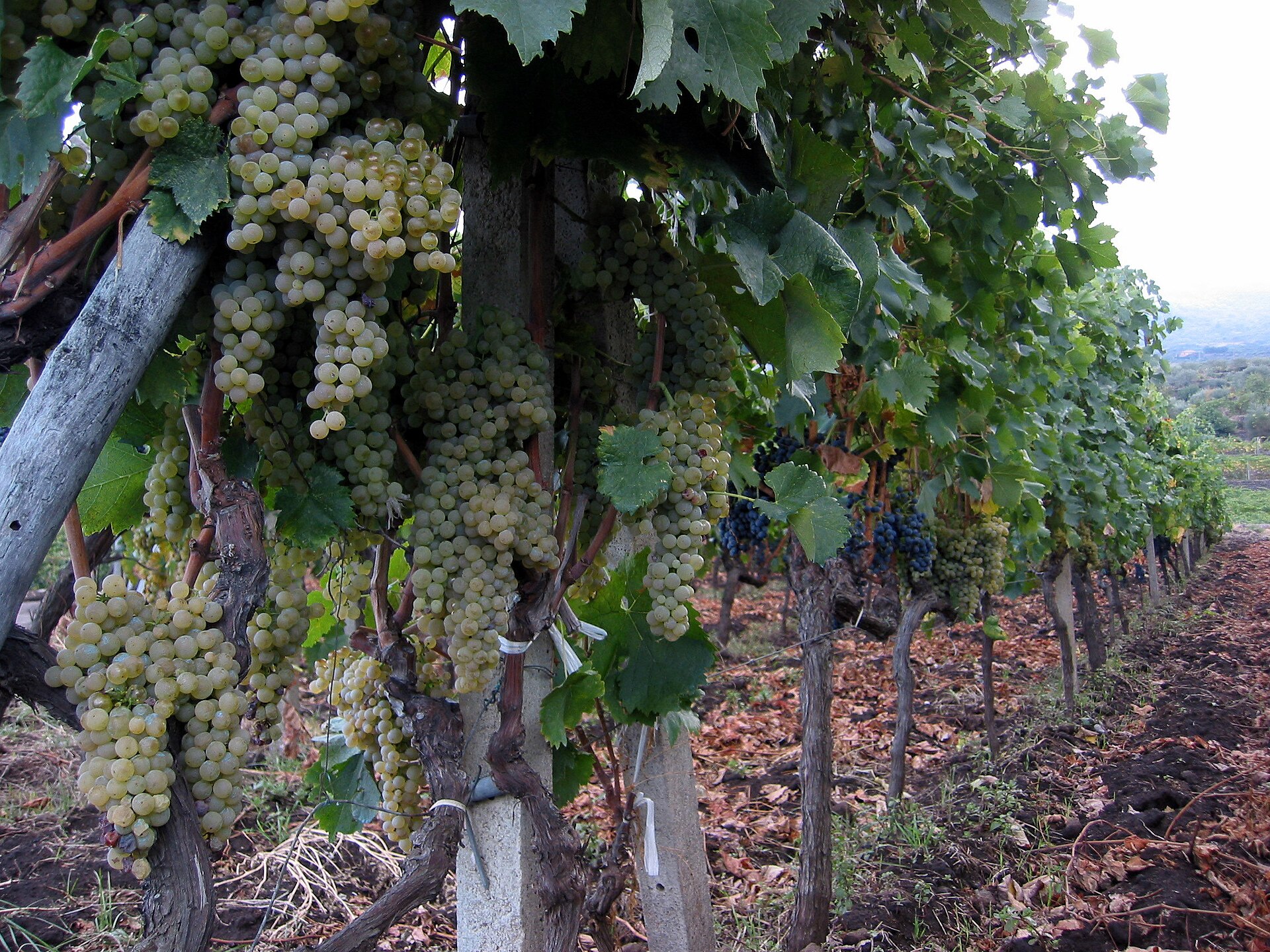
Etna DOC vineyards around Randazzo, Castiglione di Sicilia and Solicchiata use altitude and volcanic soils to produce distinctive wines. A shorter crater walk followed by lunch in a village can explain more about Etna than an exhausting attempt to reach the maximum height.
Visitors often look for dramatic views, while residents think about road access, ash removal, farming and school days. Seeing both perspectives makes the mountain more than a background.
Timing, equipment and a plan B
Leave early in summer for easier parking, cooler temperatures and more time before cloud develops. In winter, spring and autumn, flexibility matters more. From Giarre, the southern route through Nicolosi is often the simplest first choice; the north takes longer but may feel calmer.
Decide whether the aim is an introduction to volcanic ground, a longer lower-altitude walk or paid transport towards higher areas. That choice determines time, clothing, water and cost.
Wear stable shoes, several layers, a wind-resistant jacket and sun protection. Carry water, simple food, sunglasses, a charged phone, an offline map and medication. With children, choose short stages and sheltered breaks. A two-hour lower walk followed by lunch can be better than a tiring attempt to climb as high as possible.
Check official volcanic activity, access and weather that morning. Obey closures and turn back if visibility falls or anyone becomes tired. Ash, fog and traffic can delay the return, so do not plan a tightly timed evening.
Mistakes that are easy to avoid
Do not focus only on the highest area. Milo, Santa Venerina and other villages show how residents deal with ash, adapt fields and live around an active volcano. Randazzo's dark stone architecture and vineyards near Castiglione di Sicilia or Passopisciaro add history, food and work to the day.
Do not search for supposedly secret places. Visit in a quieter season or at a quieter hour, follow marked access and give the landscape space. Lower visitor pressure often means less waiting and better conversations.
Do not treat turning around as failure. Changing route because of wind, cloud, activity or fatigue is normal mountain judgement.
The essentials before you leave
An independent visit succeeds when freedom and discipline work together. Choose the route for the day's conditions, dress for changes in wind and temperature and include breaks from the beginning.
Etna brings together geology, farming, local adaptation and tourism. If you see only the crater, you miss much of the story. Combine the mountain with a village, local food or a vineyard and you will understand more of eastern Sicily.