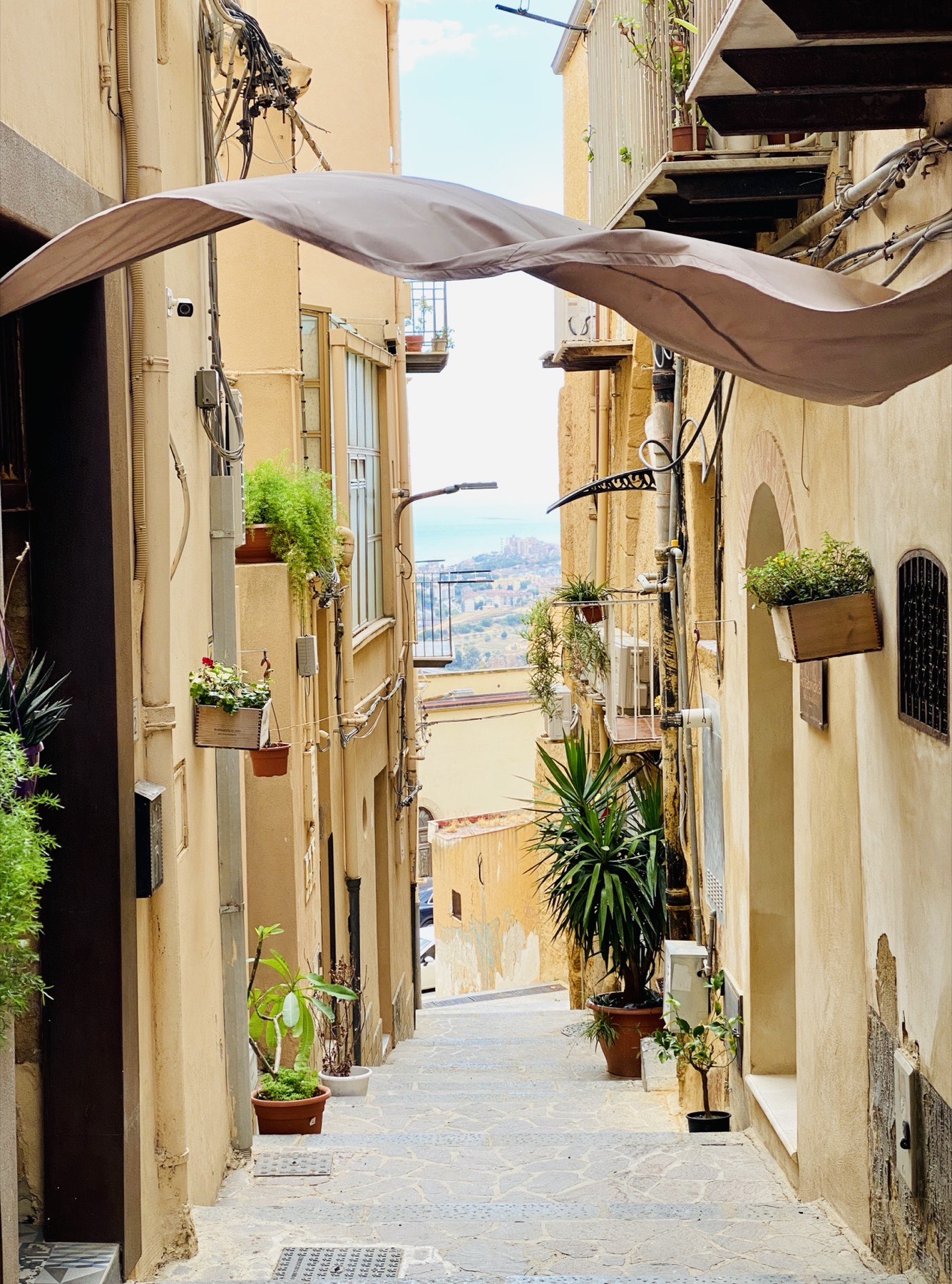
The essentials in one minute
- Stay in one place for seven days and avoid unnecessary hotel changes.
- Plan no more than one major activity each day.
- Keep day six open so the week can adapt to weather and energy levels.
- Leave time between stops instead of trying to cover the greatest distance.
Why one fixed base is an advantage
For a one-week trip, one base on the east coast is often easier than changing hotels several times. This is especially true if you want to combine culture, nature and beaches. Every move takes time for packing, driving, checking in, finding parking and learning where to shop. Traffic and heat can make that part of the day longer than expected. With one base, you can leave early, return for a break during the hottest hours and perhaps take a short evening trip.
This route uses the Giarre area because it sits conveniently between Etna, Taormina and Catania. Catania Airport is within a manageable drive, and the motorway toll on the relevant section is low. That makes both the first and final day simpler. You can use the same plan from another base, but recalculate every journey before you book activities.
How to plan the route around Sicily
Sicily is not an island that lends itself to one simple circular route. Many coastal towns have Greek roots; farming and urban life were later shaped by Arab and Norman rule; and modern roads have developed unevenly. Two historic towns may look close on a map while being connected by slow or winding roads. Plan around the roads that actually exist, not only the distance in kilometres.
Driving times are less predictable than in parts of northern Italy such as Emilia-Romagna or Veneto. Terrain, local traffic and parking mean the same distance can take a different amount of time from one day to the next. Group outings by area: one city day, one Etna day and one coast day. Alternate longer days with shorter ones.
This also makes the links between the places easier to notice. Etna's lava gives many Catania buildings their dark colour, old coastal trade still shapes the markets, and today's tourism takes place in streets and buildings used for centuries. The drive becomes more interesting when you understand what connects the different areas.
A realistic day-by-day plan
This itinerary alternates the longer outings with quieter days.
Day 1: arrival, groceries and a quiet start
After landing in Catania, collect the car and drive to the accommodation. Use the rest of the day for groceries, a short walk around the area and an early dinner. Save the sights for the following day.
Day 2: Taormina in the morning and an easy afternoon
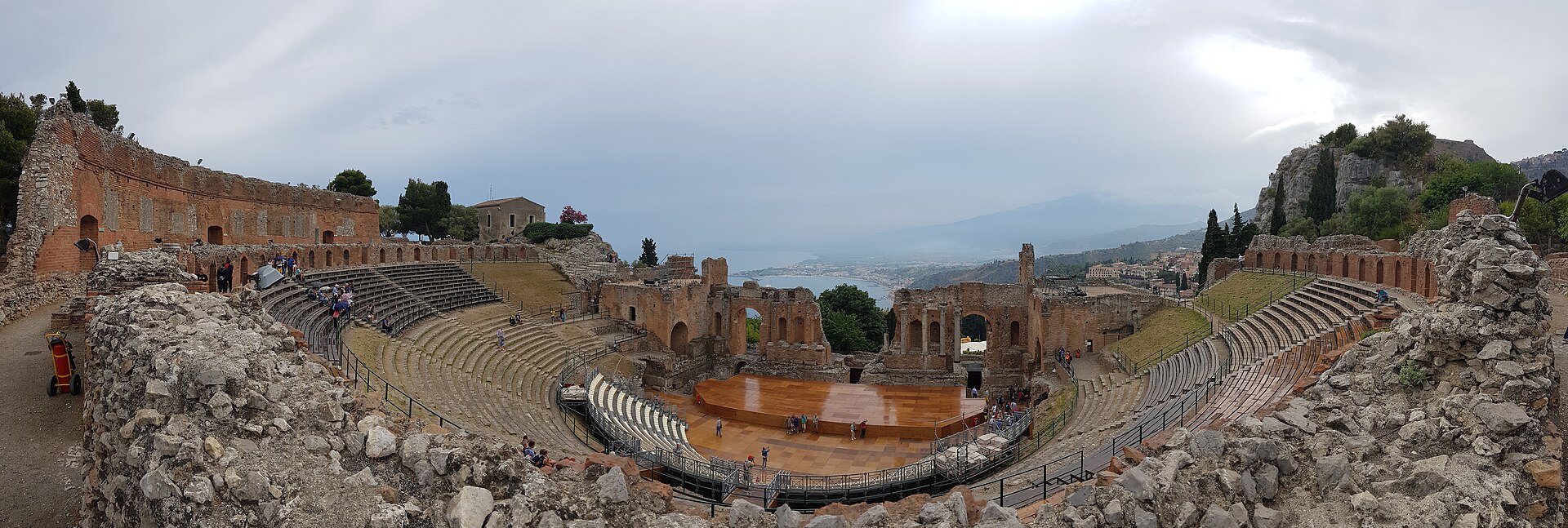
Drive to Taormina early so you can see Corso Umberto and the ancient theatre before the largest crowds arrive. Choose two main sights and have a good lunch rather than trying to cover every lane. Return to the base before late-afternoon traffic, or stop briefly on the coast.
Day 3: Etna with safety in mind
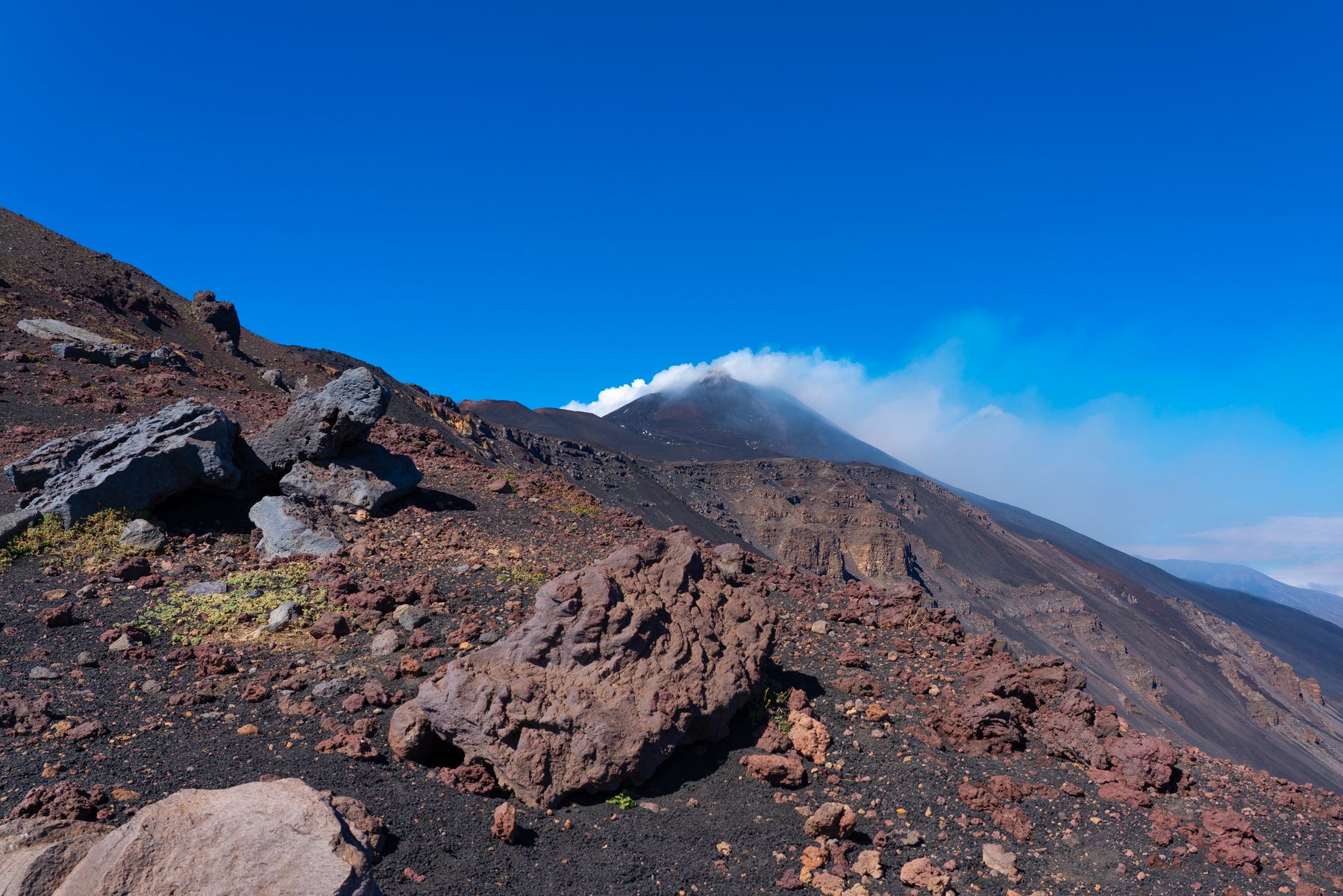
Choose the part of Etna according to the weather and your group's ability. For many first-time visitors, the southern approach through Nicolosi and Rifugio Sapienza is a good introduction. Bring several layers, closed shoes and a plan that can change if visibility, wind or volcanic restrictions make the original route unsuitable.
Day 4: Catania, the market and city life
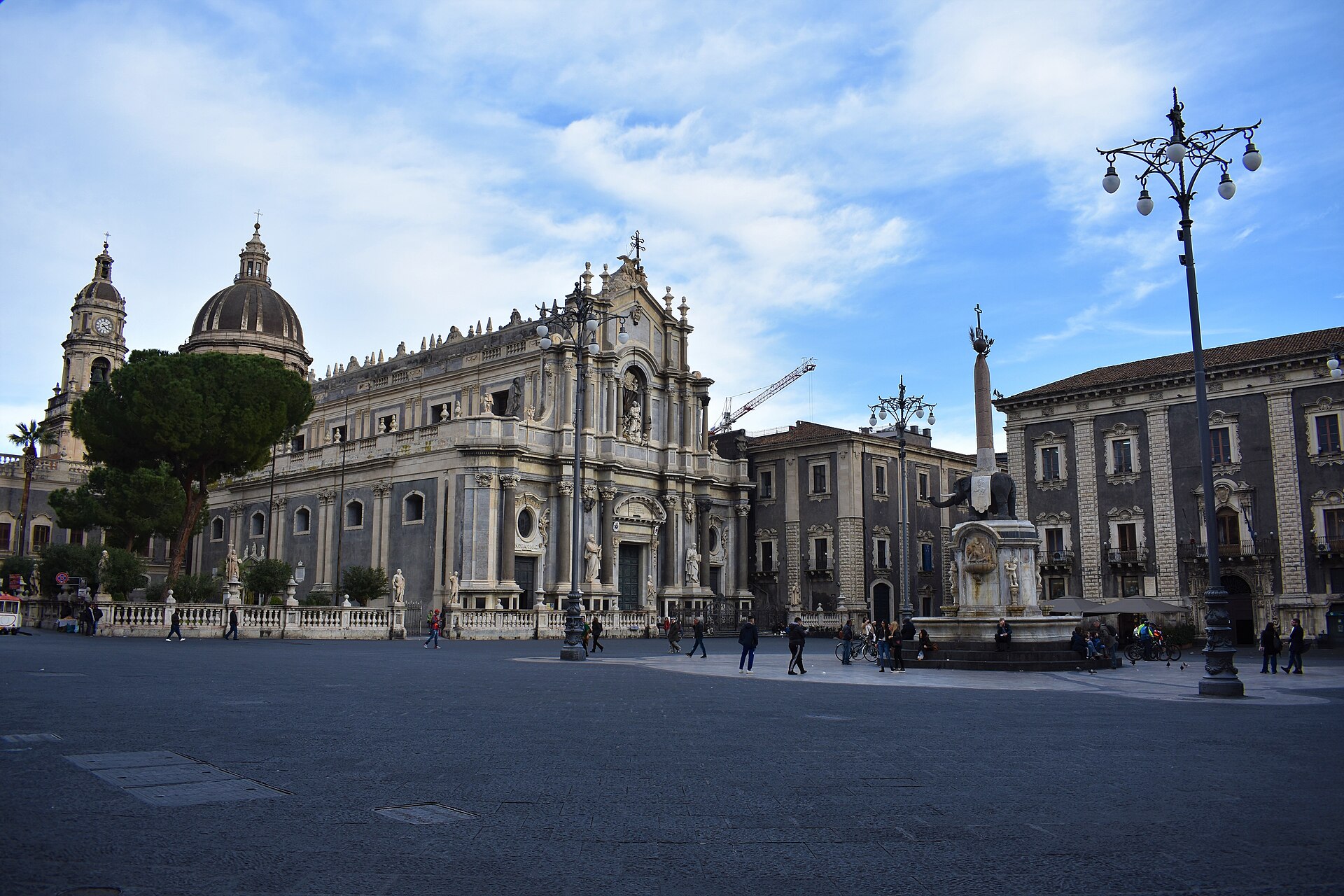
Begin around La Pescheria while the fish market is active, then continue to the main squares, churches and lava-stone streets. Have an unhurried local lunch. Leave the afternoon open for a break or a short stop on the coast, and park outside the most restricted central streets.
Day 5: choose a beach for the weather and your needs
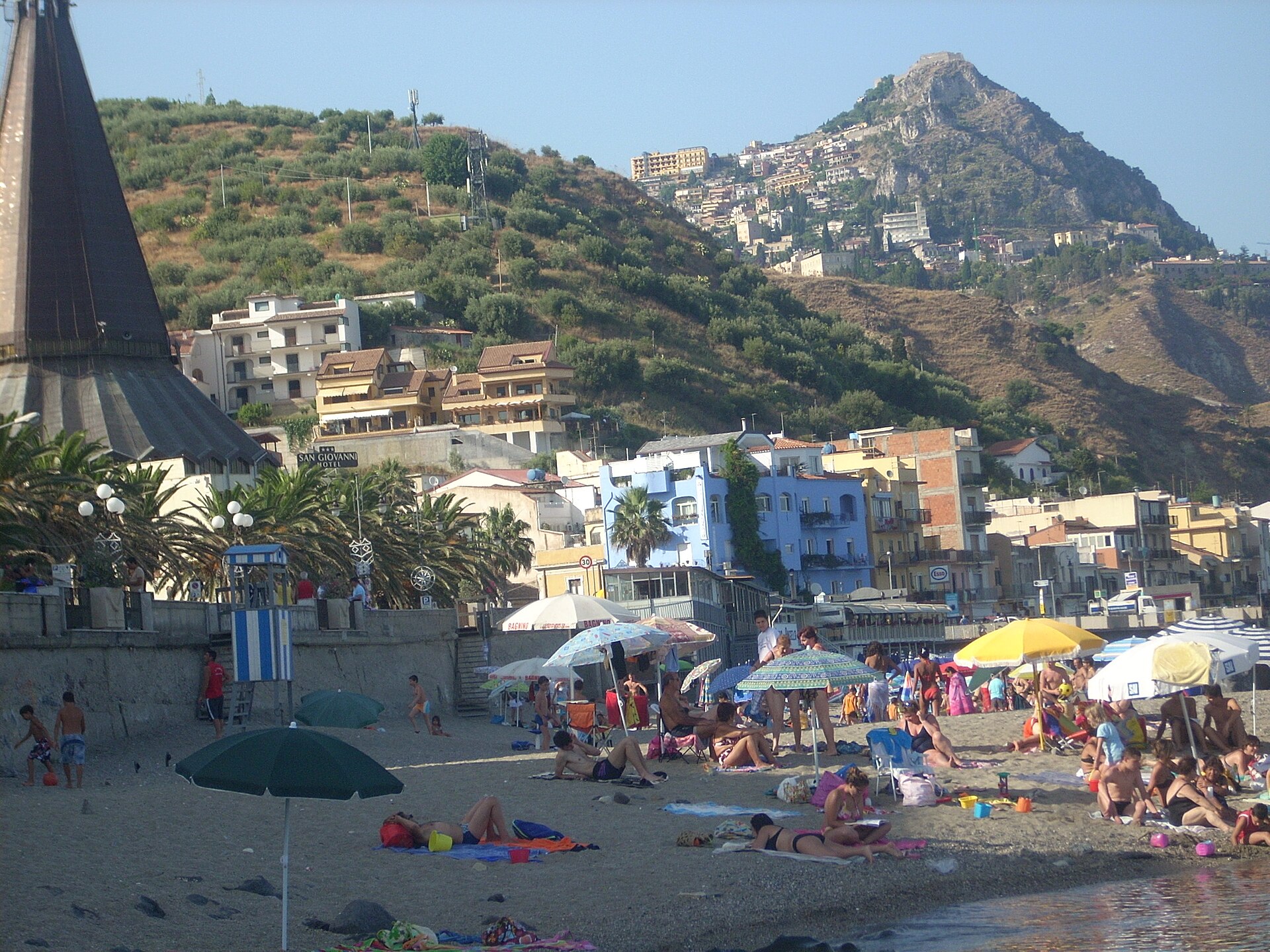
Choose the beach according to the group and the conditions that day. Fondachello or Letojanni work well for a full beach day, while Isola Bella often suits a shorter visit. Check the wind and sea before leaving, and keep the day deliberately restful.
Day 6: an open day for what you missed
Use this day for something you missed or would like to repeat: another attempt at Etna, a different stretch of coast, the Alcantara Gorge, Syracuse and Ortigia, or a quiet village lunch. This open day is the itinerary's protection against poor mountain weather and tired travellers.
Day 7: a calm departure day
Avoid a major final excursion. Enjoy a quiet morning and allow generous time to refuel, reach the airport and return the car. A calm journey home is a better ending than one last rushed attraction.
Ask these four questions before setting out each morning:
- What is today's one main priority?
- What is plan B if weather or traffic changes?
- When should we return so that everyone still has energy?
- Which meal matters most today, and where are we likely to eat it?
Car hire, driving times and budget
A rental car is central to this itinerary. Trains and buses can help on individual routes, but they are difficult to fit around the entire week, especially with children, luggage and Etna trips. Book the car early, check whether your own insurance already covers rentals, read the conditions and photograph the vehicle when you collect it.
During the hotter months, divide the day like this:
- Do the demanding activity early.
- Take a break or choose something easy around midday.
- End with a short evening walk or a relaxed local dinner.
The largest saving does not come from removing experiences. It comes from avoiding costs created by poor timing, such as extra parking, taxis and unplanned meals. A practical base with parking, a kitchen and easy road access can cost less overall than a famous address in a busy tourist centre.
Respect local customs too. Cover shoulders and knees in churches, keep noise down in narrow residential streets and be patient in busy restaurants. Service is often warm and personal, but the pace may differ from northern Europe.
Useful things to keep in the car
Leave a few practical items in the car throughout the week. They save repeated stops when the weather or plans change.
- Document folder: rental agreement, insurance details, booking confirmations and useful local phone numbers.
- Water and snacks: extra water, fruit and something salty for delayed meals.
- Beach bag: water shoes, towels, sun protection and a change of clothes.
- Town bag: suitable clothing for churches, a power bank and cash for small purchases or parking.
- Etna weather kit: layers, a windproof outer layer and closed shoes.
Keeping these items ready prevents the small stops that consume time and money. It is particularly useful later in the week, when everyone is more tired.
If the plans change
No week goes exactly to plan. Agree a few simple alternatives in advance so you do not have to invent a new day while sitting in the car:
- A very hot day and little energy: replace a long city visit with a nearby beach and an early dinner close to the base.
- Poor visibility on Etna: move the mountain to day six and visit Catania's market and the coast instead.
- Heavy traffic towards Taormina: make a shorter early visit and spend longer in a quieter nearby town.
The aim is not to rescue every original stop. The important thing is that the day is still enjoyable. A plan that can change without an argument is better than one that is completed after everyone has lost interest.
How to spread the budget across the week
Use a daily range rather than expecting every day to cost the same. Etna, Taormina and a special dinner naturally cost more; a local beach, market visit or evening at the apartment can cost less. A simple distribution might be:
- Higher-cost days: one or two days focused on an important experience.
- Medium-cost days: two or three days combining transport, a town and an ordinary restaurant.
- Lower-cost days: two days close to the base, with groceries and short outings.
This gives you better control of the total and leaves room for an extra experience without worrying about every small expense.
What can make the plan go wrong
Small choices between outings often decide whether the week feels calm or rushed. If day two ends in traffic with no dinner plan, day three begins badly. Spend 20 minutes each evening checking the forecast and adjusting the next departure time.
Not every day needs to be equally long. Two major days at Taormina and Etna, two normal outing days and two quiet days at the accommodation or beach often make a better holiday than seven half-busy days. This is especially true for families, but also for couples who underestimate the heat and hills.
Spreading your spending between famous places and smaller towns also supports more of the local economy. A long lunch in an Etna village, groceries from an everyday Catania market or a beach away from the busiest resorts can cost less and provide a closer look at local life.
The best week is often the one with a short wish list and enough time to stay longer in the places you enjoy most.
The essentials before you drive
The best road trip is not the one with the most pins on the map. It is the one where the days fit together, the car is used sensibly and there is room for both sights and quiet hours. With one base on the east coast, you can reach the classic destinations without repeatedly moving accommodation.
With enough time between outings, Sicily becomes more than a sequence of photographs. You begin to see the connections between its history, landscape, food and city life. That makes the trip better even if you do not cover the whole island.