The essentials in one minute
- Fix the flights, accommodation and car first; adjust the rest later.
- Balance two expensive days with two inexpensive days.
- Keep a small amount for weather, delays and changed plans.
- Choose the base for access and parking, not only the address.
Set a budget without removing the fun
Two families can spend very different amounts on the same number of days. Season, location, transport and the daily plan matter as much as the headline prices. Include the costs created by waiting, difficult parking, duplicate journeys and meals bought in a hurry. A practical apartment can save money every day.
For eastern Sicily, one base for five to seven nights and a clearly priced rental car often provide both flexibility and predictable costs. Public transport may be cheaper for selected journeys, but a car can make better financial sense for a family taking several day trips.
Why prices vary so much across Sicily
Coastal trading towns, agricultural areas and modern tourist resorts have developed differently. Famous places such as Taormina, central Ortigia and popular summer beaches serve international demand and often charge accordingly. Smaller Etna towns, ordinary Catania neighbourhoods and market areas remain more closely tied to local spending.
Restaurants only a few kilometres apart can therefore have very different prices without the same difference in quality. The variation is often sharper than in compact northern Italian destinations. Geography matters as much as the number of days.
Tourist businesses also earn much of their annual income during a short season. That helps explain high summer prices and better offers in spring and autumn. Travelling outside the busiest weeks can reduce the cost and spread visitor spending through more of the year.
The six costs to include
Build the weekly budget from flights, accommodation, local transport, food, activities and small purchases.
3.1 Flights
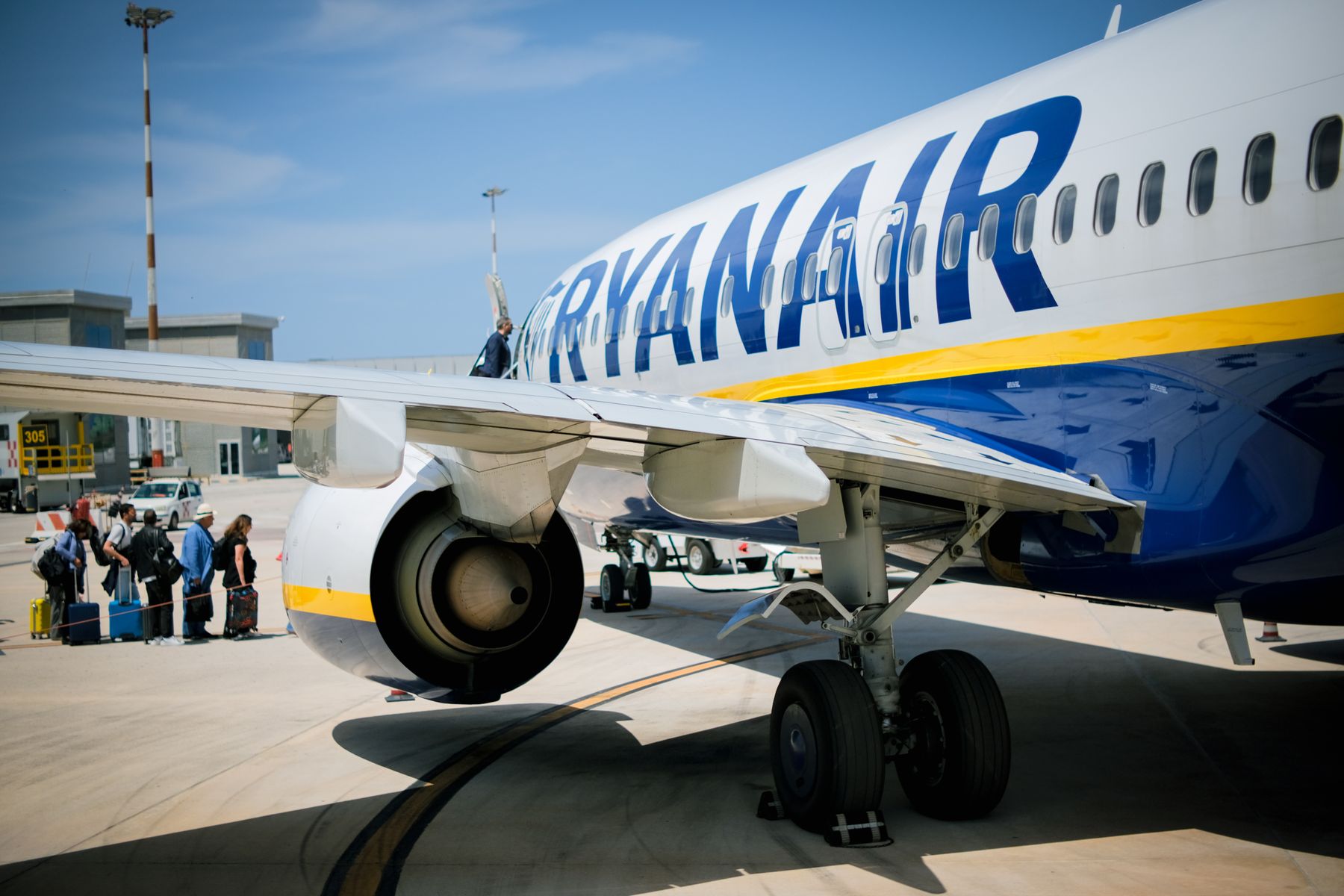
Prices depend on season, departure airport, flexibility and booking time. Compare the complete journey, including bags, seat selection, transport to the airport and any cost created by a late arrival. Direct routes from Denmark are often seasonal, so check current schedules.
3.2 Accommodation
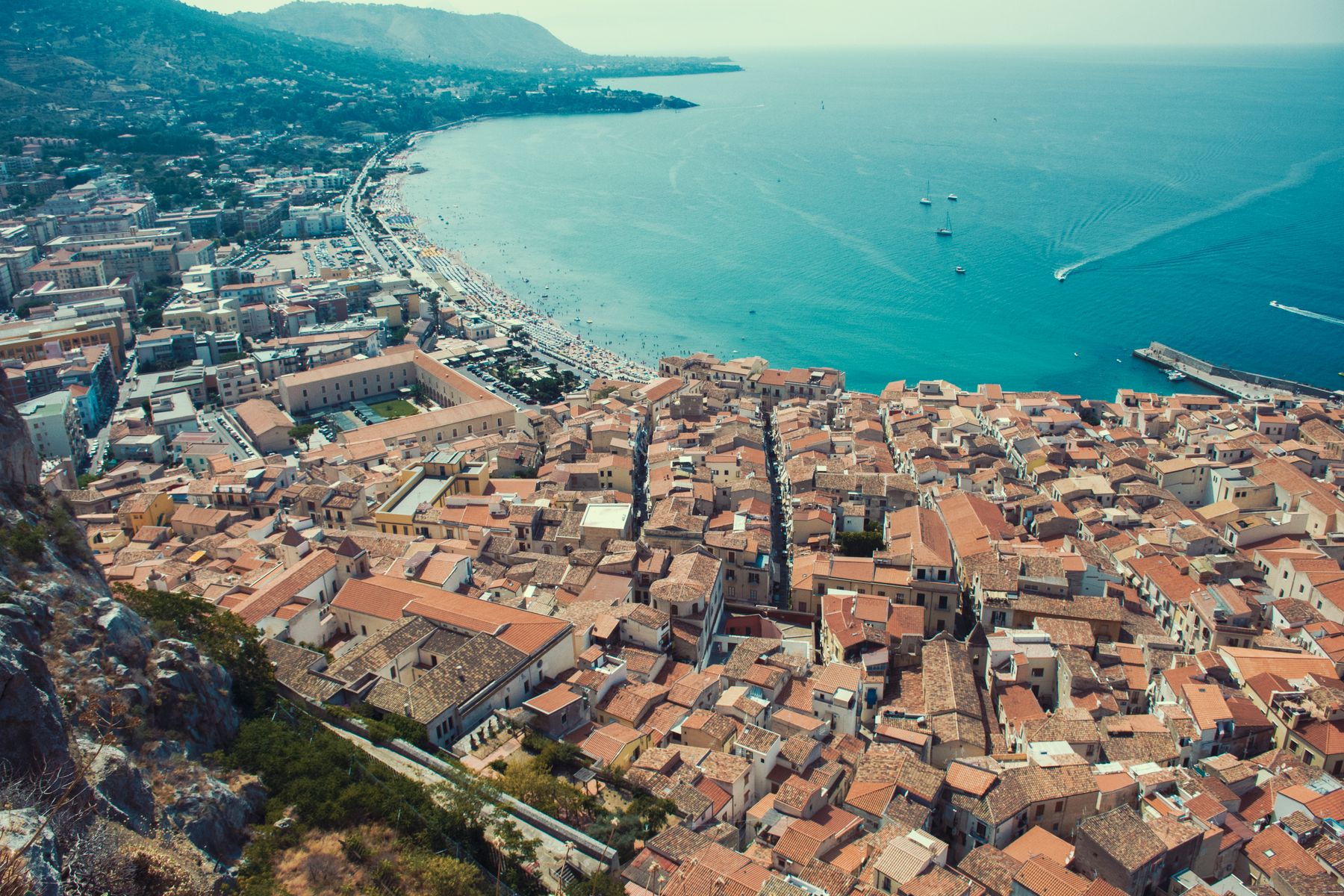
The nightly price is only part of the cost. A kitchen, secure parking and easy access to main roads can reduce both food and transport expenses. A famous central address may cost more and make day trips harder.
3.3 Local transport
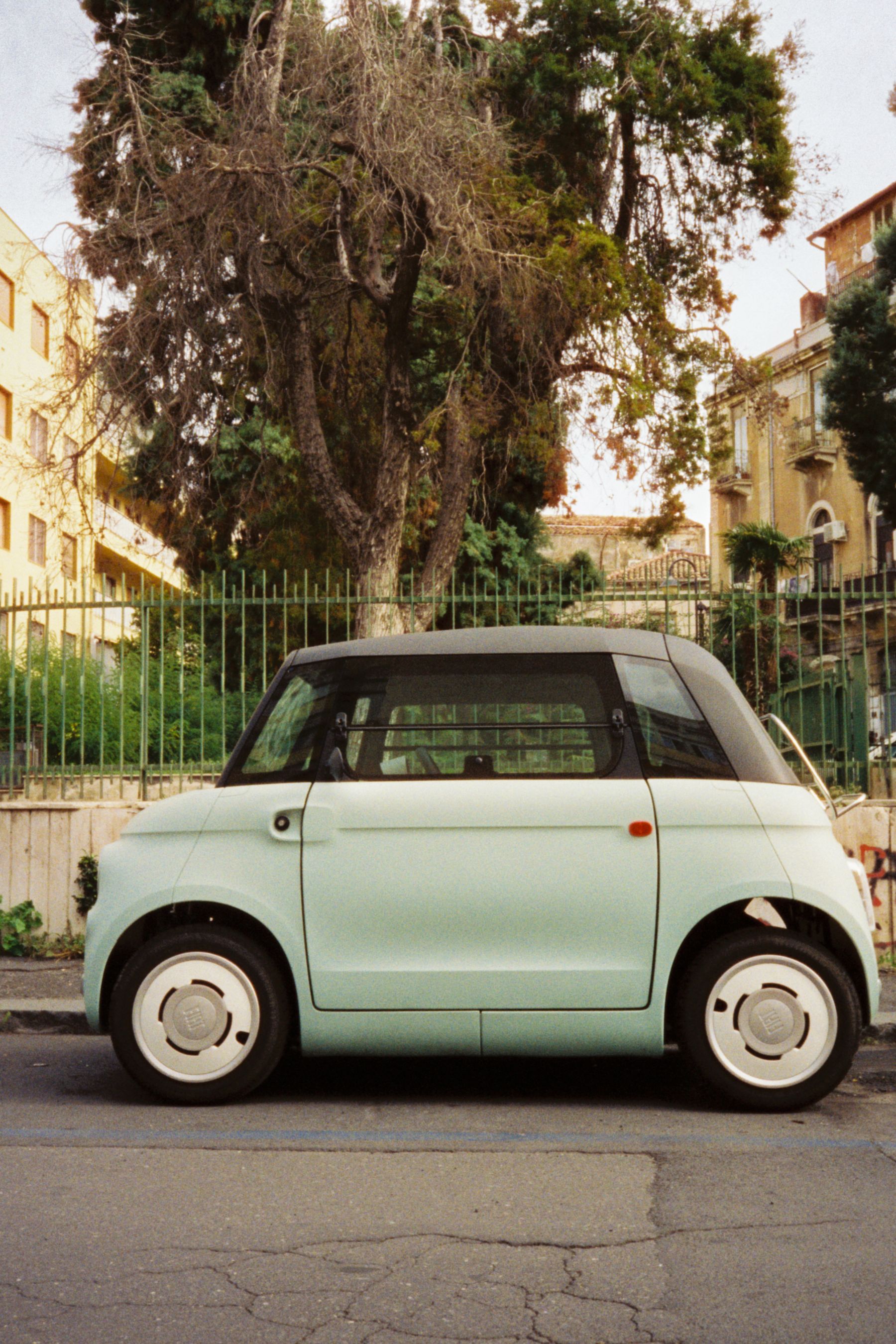
For a rental car, include hire, insurance, fuel, tolls and parking. The motorway toll between Catania and Giarre is low, but the total depends on the week's mileage. For several travellers, a car can compete well with repeated combinations of train and taxi.
3.4 Food
The food budget can almost double depending on the pattern. Breakfast at a local bar, market lunches, groceries and a few selected dinners usually provide better value than an unplanned central restaurant every evening. Sicily's bread, vegetables, cheese, cured meat, fruit and fish make simple apartment meals worthwhile.
3.5 Activities
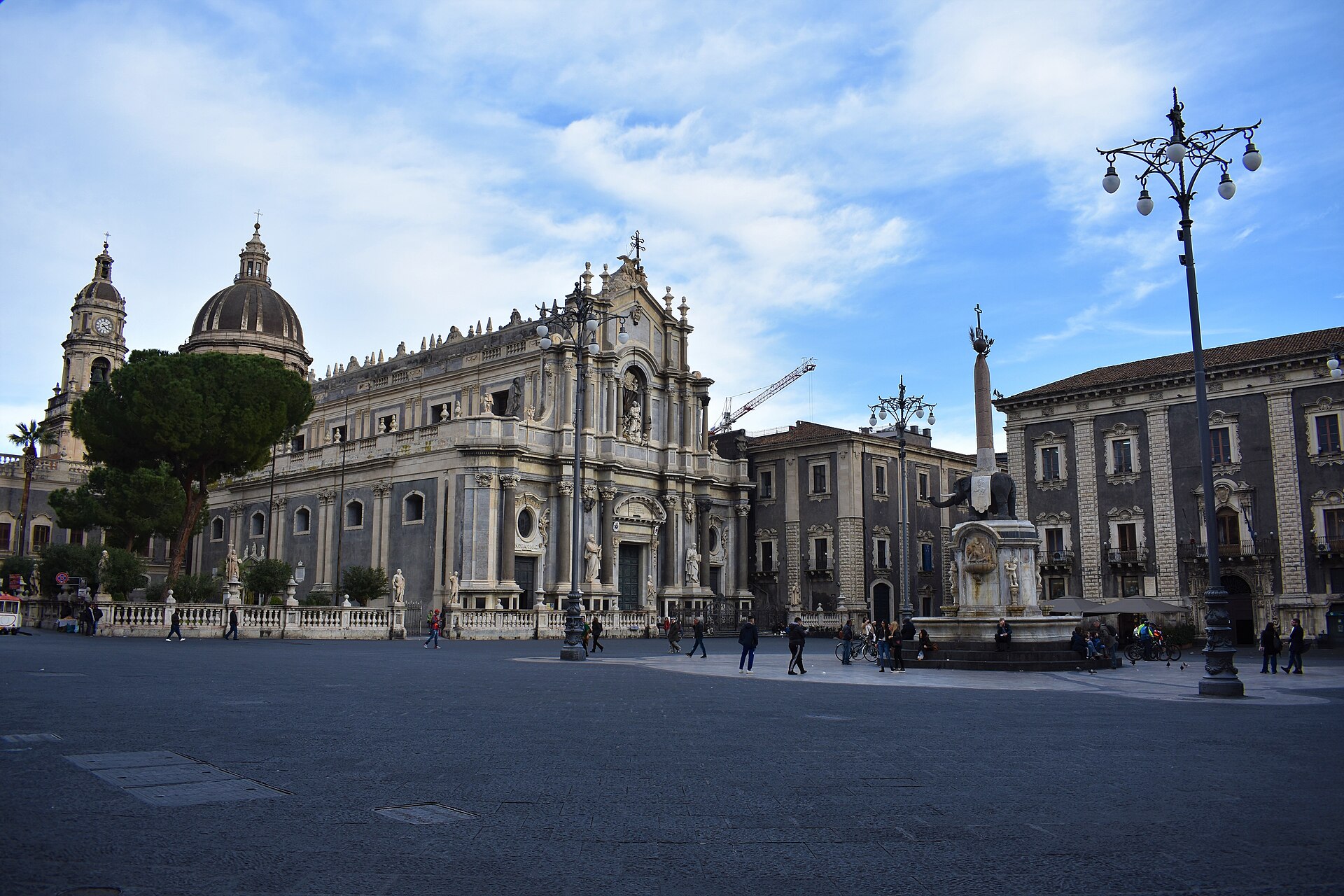
Town walks and beaches can be free, while archaeological sites, guides and cable cars require tickets. Do not reserve so much in advance that heat or traffic makes you miss paid activities. Choose a few important experiences.
3.6 Small purchases
Coffee, gelato, water, parking, souvenirs and snacks add up. Keep the purchases that improve the day and avoid those caused only by waiting or poor planning.
Currency, cards and useful food-price examples
Sicily uses the euro. Cards are widely accepted by hotels, restaurants, supermarkets and petrol stations, but a modest amount of cash remains useful for markets, small bars, parking and temporary terminal problems. Choose to pay in euros if a terminal offers to convert the charge into your home currency; your own bank or card provider will normally give a more transparent rate. The EU's official guide to using the euro explains the rules for euro card payments.
As a practical 2026 range, a simple pizza often costs about €6–12, street food or a small pastry €2–4, a pasta dish €8–15 and an uncomplicated dinner with a drink €20–35 per person. Taormina, famous squares, beach restaurants and fish sold by weight can be higher. Look for coperto, a cover charge per person, and ask for the price per 100 grams or kilogram before ordering fish by weight.
Three budgets for three kinds of holiday
These are planning styles rather than fixed prices; season, exchange rate and group size change the total.
Economical but comfortable
- Travel in spring or autumn and book the flight early.
- Use an apartment with a kitchen and prepare some meals.
- Hire a small car with clear conditions.
- Choose a few paid activities carefully.
This suits travellers who value freedom and a practical location more than a famous address.
A normal holiday budget
- Combine local meals with planned restaurant evenings.
- Include a few more expensive experiences, but not every day.
- Choose comfortable accommodation with sensible access.
- Leave room for spontaneous choices.
For many couples and families, this is the most useful starting point for a week.
High comfort and more expensive choices
- High-season travel or booking at short notice.
- Central addresses in famous towns.
- Frequent restaurants in tourist centres.
- More guided and fully serviced activities.
This can be a good choice, but decide which upgrades matter so the extra cost brings a better experience.
- Set an average daily amount for food and small purchases.
- Fix the three largest costs: flights, accommodation and car.
- Choose no more than three or four major paid experiences.
- Keep a reserve for changes in weather or transport.
Three concrete examples
Separate fixed costs, daily costs and unexpected costs. Flights, accommodation and car are fixed. Meals, parking and tickets vary each day. Delays, changed weather or a replacement activity belong in the reserve.
- A couple in spring or autumn: flights and accommodation take the largest share; daily costs stay moderate.
- A family in high summer: allow more for water, snacks, beach facilities and changes caused by heat.
- Friends on a road trip: allow more for fuel and parking, but save through simple breakfasts and lunches.
Add a small amount for unexpected expenses each day. If it is not used, it simply remains at the end of the holiday.
Where the holiday often becomes more expensive
The budget is rarely broken by one dramatic mistake. More often it is repeated small costs: skipping lunch and buying an expensive early dinner, adding too many stops and needing a taxi, or paying twice for transport after an unrealistic plan.
- Access: easy driving and secure parking reduce daily costs.
- Timing: visiting early or late reduces queues and impulse purchases.
- Meals: choose a few good restaurants instead of many random ones.
- Season: spring and autumn often provide more experience for each euro.
A cheap apartment with difficult access can cost more overall through fuel, parking and lost time. In Sicily, distance and heat make a poor location more expensive than they would be on a compact city break.
How to keep control of the budget
A week in Sicily does not have to be either a savings exercise or a luxury project. Start with a practical base, realistic transport, deliberate meal choices and a short list of important activities. Leave room for changed plans.
Spend on the things that improve the holiday: a worthwhile excursion, a good dinner and accommodation that makes the week easy. Reduce expenses created by poor timing and crowded tourist centres.