Fact-checked 24 July 2026. Dishes, names and recipes vary between families and between eastern and western Sicily. Prices are planning ranges, not promises from an individual restaurant.
Sicilian food is the island's history on a plate
Sicilian cooking is not simply “Italian food with more sunshine”. Greeks, Arabs, Normans, Spaniards and Mediterranean trade routes all left ingredients and techniques. Citrus, almonds, pistachios, saffron, raisins and sweet-and-sour flavours meet tomatoes, aubergines, ricotta, pasta, fish and bread.
The differences are local. Palermo has panelle, sfincione and spleen sandwiches; Catania has pasta alla Norma, granita and the pointed arancino; Trapani looks towards North Africa through couscous; around Etna, wine, mushrooms, honey and pistachios matter. Visit Sicily's official collection of Sicilian recipes shows the range.
1–3: arancini, pasta alla Norma and caponata
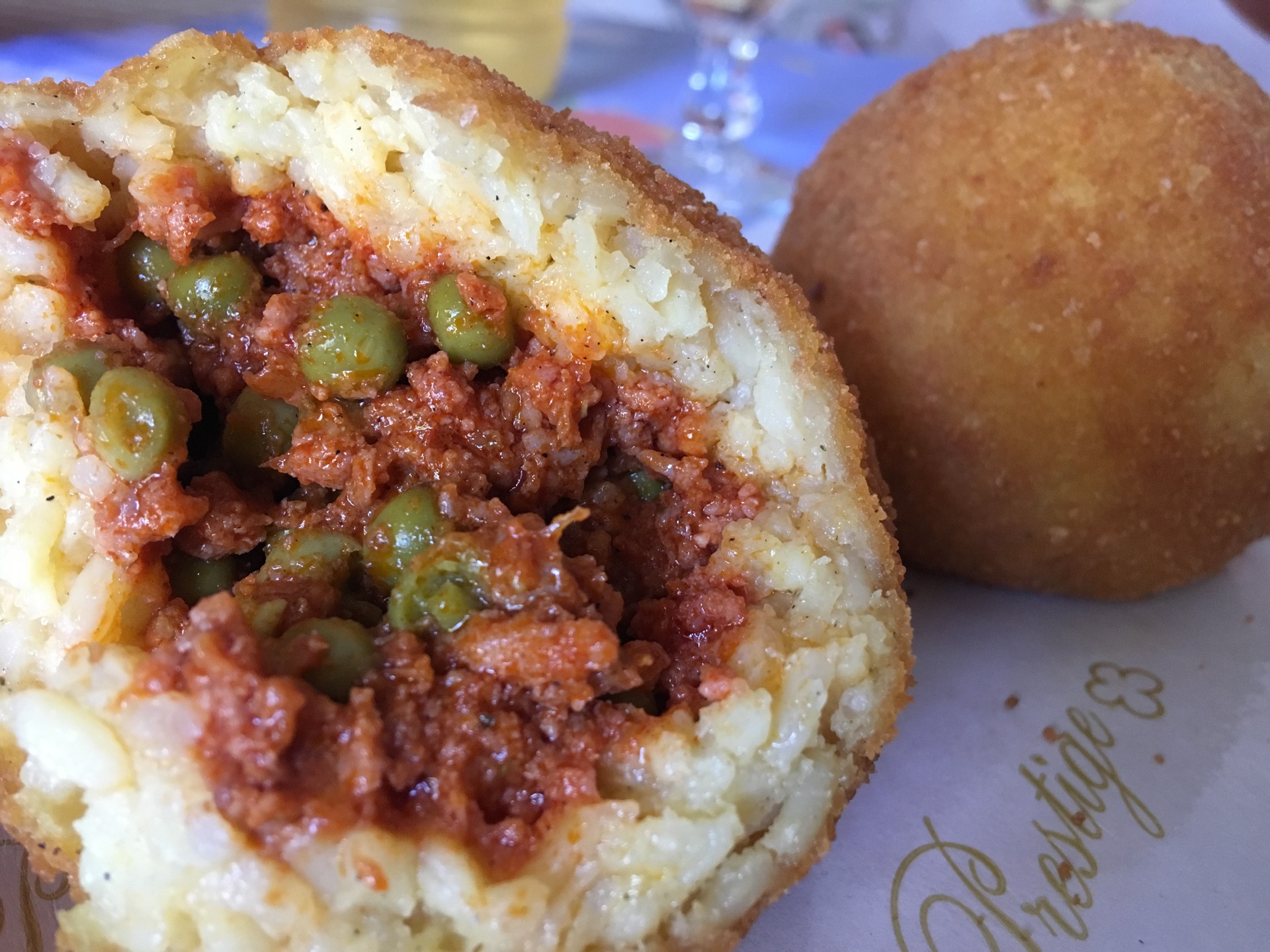
1. Arancini or arancine are breaded, fried rice balls with a filling. In Palermo they are often round and called arancine; in Catania they are normally conical and called arancini. Ragù and “al burro” with ham, cheese and béchamel are classics, while bakeries and bars offer many variations. Visit Sicily explains the history and naming divide in its official arancine guide.
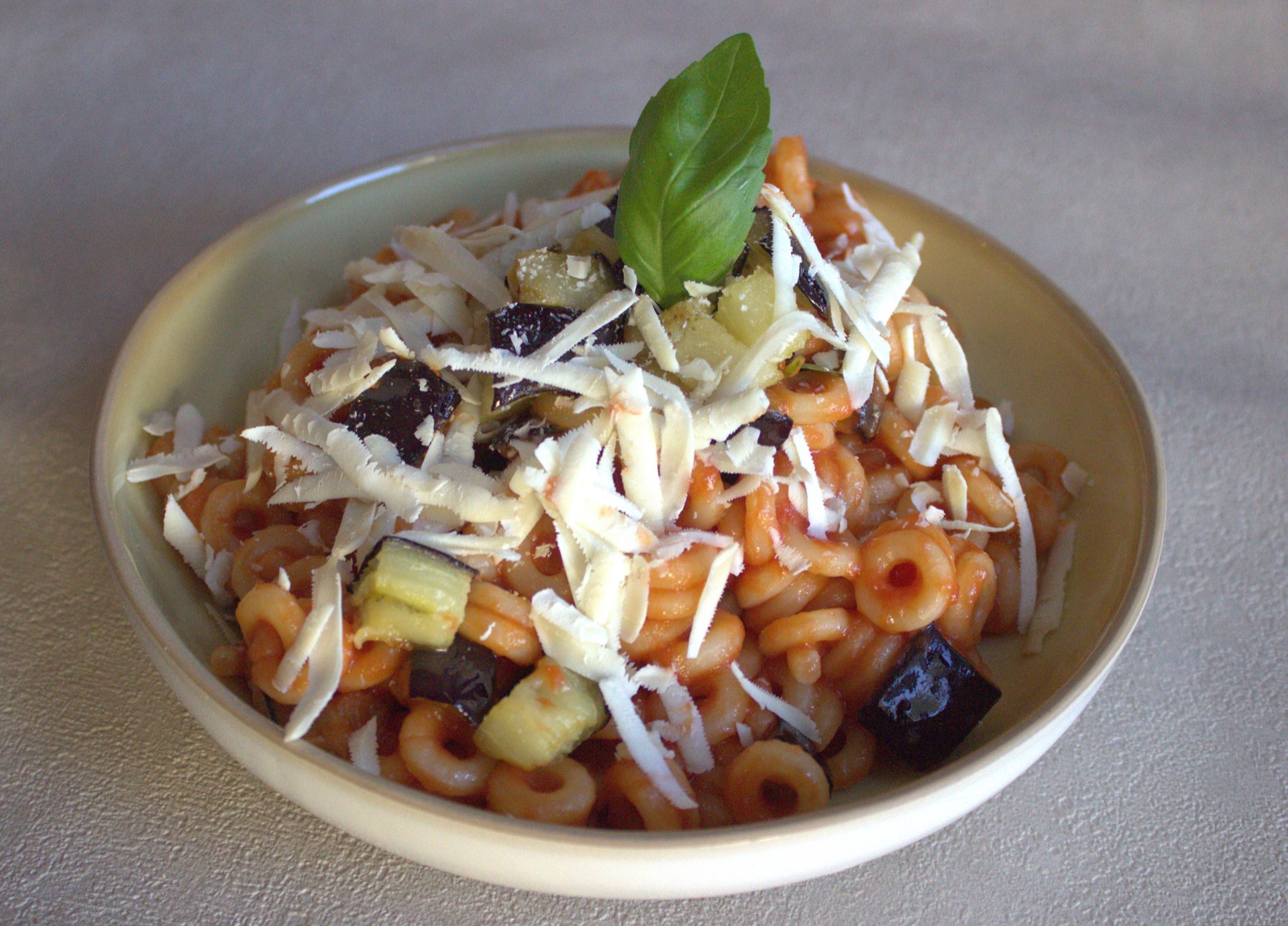
2. Pasta alla Norma comes from Catania and combines tomato sauce, fried aubergine, basil and salted ricotta. It is a simple dish in which a few good ingredients matter more than decoration. 3. Caponata is a sweet-and-sour aubergine dish with ingredients such as celery, olives, capers and vinegar. It is commonly served as an antipasto or side and appears in many local forms.
4–6: pasta con le sarde, couscous and bread
4. Pasta con le sarde is closely associated with Palermo and combines sardines, wild fennel, raisins, pine nuts and often toasted breadcrumbs. The balance of salty, sweet and aromatic is distinctly Sicilian. 5. Couscous di pesce is particularly important around Trapani, where fish stock and the local catch distinguish it from North African versions.
6. Pane cunzato means roughly “seasoned bread” and can be a simple meal with tomato, oil, oregano, cheese, anchovies or other local produce. In Palermo, also look for pani câ meusa if a spleen sandwich appeals, and panelle, fried chickpea fritters served in bread. You need not love everything to understand that street food is part of ordinary city culture.
7–9: fish, meat and vegetables
7. Pesce spada, swordfish, appears grilled, with pasta or as filled involtini. 8. Sarde a beccafico are sardines rolled around a mixture that may contain breadcrumbs, pine nuts, raisins and citrus. Choose fish by season and ask what genuinely arrived that day rather than demanding one species from a very long menu.
9. Involtini, parmigiana and vegetable dishes show that a good Sicilian meal need not centre on fish or meat. Aubergines, courgettes, artichokes, peppers and pulses are important. Catania's grilled horse meat is a genuine local tradition but not an obligation for visitors; follow your own limits and ask about the ingredient.
10–12: granita, cannoli and cassata
10. Granita with brioche is breakfast or a break, especially in eastern Sicily. Almond, lemon, coffee, pistachio and mulberry are common flavours. The texture varies by area and should feel more alive than a uniform slush drink. 11. Cannoli consist of a crisp shell filled with sweetened ricotta and are best before the filling softens the shell. Visit Sicily describes the cannolo as a classic once tied to carnival but now made year-round.
12. Cassata combines sponge, sweet ricotta, marzipan and candied fruit in its decorated form, while cassata al forno is baked and simpler. Share a piece if you have already eaten several courses. Almond biscuits, pistachio products and Modica chocolate are other good choices, but quality depends more on the maker than on a souvenir box.
How much do pizza, street food and an ordinary meal cost?
In an ordinary town, an arancino or arancina is normally an inexpensive, filling snack. Pizza in a local pizzeria will generally cost less than in a sea-view restaurant in Taormina or a famous central address in Palermo. As a practical 2026 planning range, allow about €6–12 for a simple pizza, €2–4 for street food or a small pastry, €8–15 for a pasta dish and €20–35 per person for an uncomplicated dinner with a drink. Tourist hotspots, fish sold by weight and ambitious restaurants can be notably higher.
Read the menu and look for “coperto”, a cover charge per person. Ask for the price per 100 grams or kilogram when fish is sold by weight. Our one-week Sicily budget combines food with flights, accommodation and transport.
How to eat better without chasing viral addresses
- Have granita and brioche in the morning, and visit markets while they are working.
- Choose fewer dishes and share if you want variety without waste.
- Look for a shorter menu and dishes suited to the region and season.
- Ask clearly about allergens; never assume “vegetarian” or “nut-free” from a dish's name.
- Drink coffee at the bar for the everyday experience, and expect a different price at a table on a major square.
- Leave room for one slow meal instead of turning the day into a checklist.
Eat by area, not only from a list
In Palermo, a day may move from a market to panelle, arancina and pasta con le sarde. In Catania, pasta alla Norma, arancino, granita and the Pescheria have more meaning together; combine them with our guide to things to do in Catania. Around Trapani, couscous and tuna products deserve attention, while Modica introduces chocolate and the produce of the south-east.
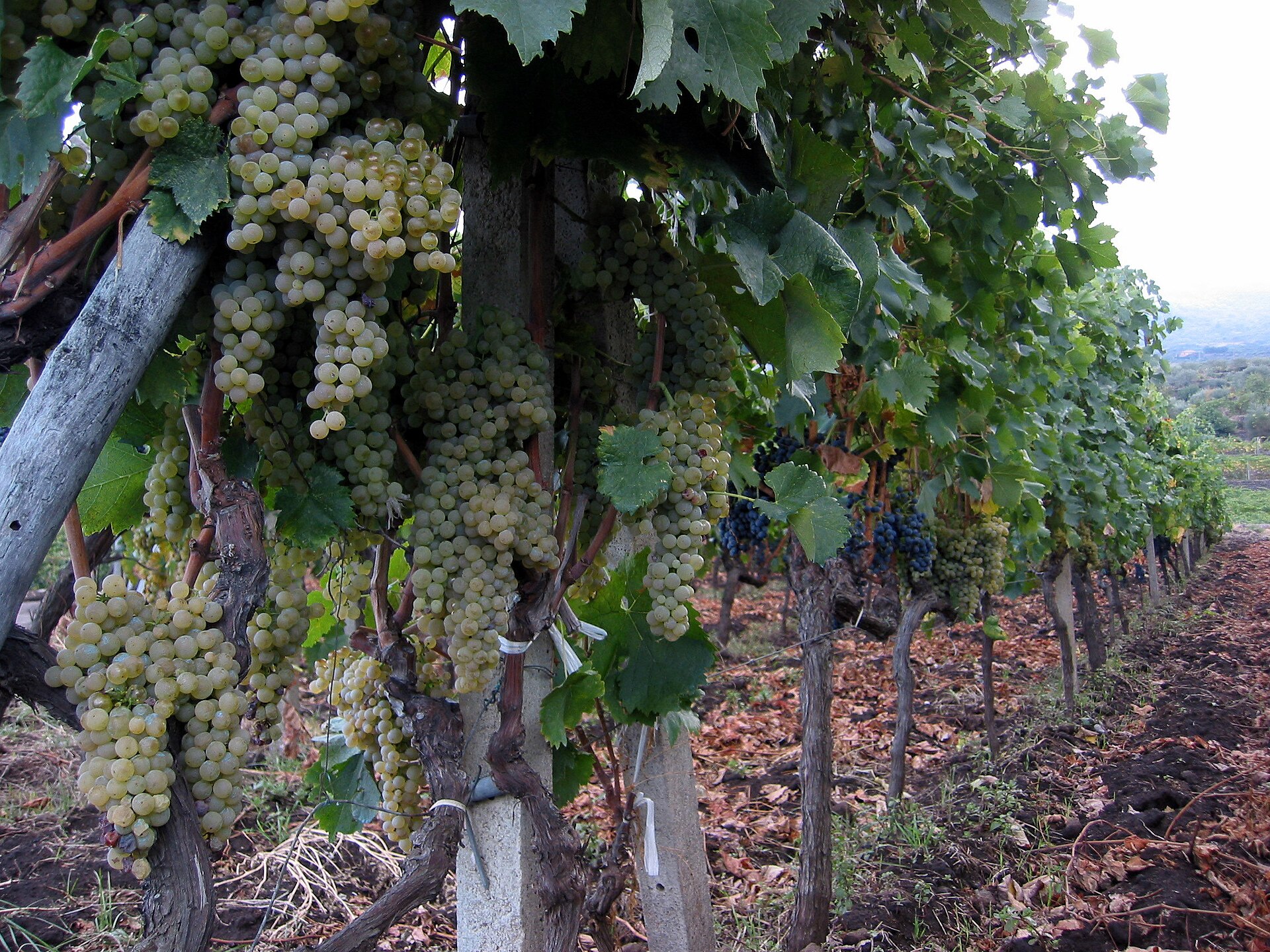
At Etna, wine belongs to the landscape rather than merely accompanying dinner. Read our guide to Etna wine and winery visits, and book a tasting instead of arriving unannounced. Sicily's best food experience is rarely one famous dish alone; it is the connection between ingredient, place and time at the table.