Fact-checked 22 July 2026. DOC rules were checked against the official consortium and current regional specification. Tasting times, rail offers and volcanic conditions can change and must be confirmed directly.
Etna wine begins with landscape, not a list of producers
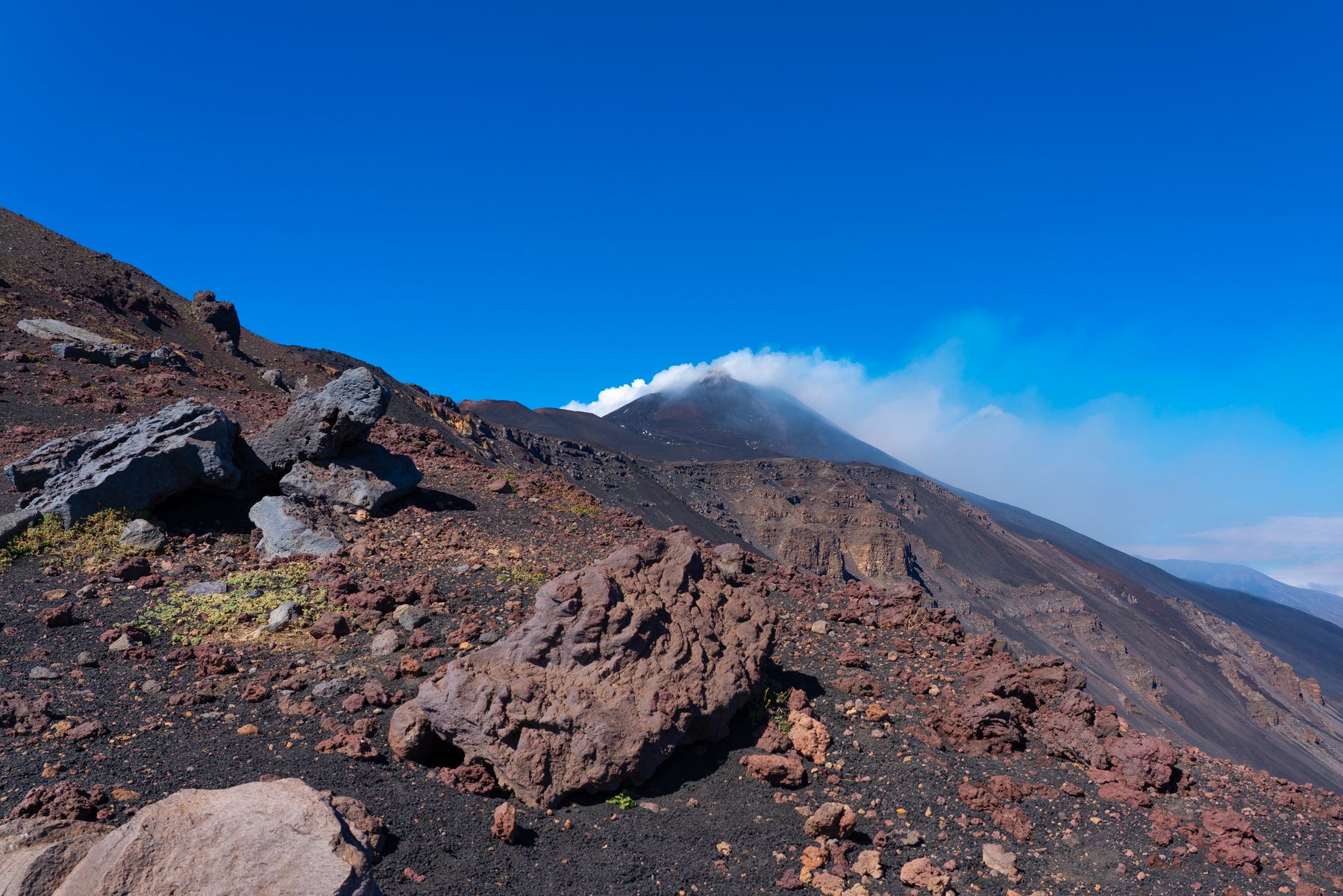
An Etna tasting is easily sold as one romantic image: old vines in black lava, a smoking volcano and a glass of red. Reality is more interesting. The wine area crosses many elevations, exposures, municipalities and lava formations on an active volcano. The northern slope around Randazzo and Castiglione di Sicilia feels different from the wetter eastern side around Milo, and an estate near Linguaglossa is not automatically comparable with one near Trecastagni.
There is consequently no objectively “best” winery. Some visits concentrate on vineyard walking and geology, others on technical cellar work, mature vintages, food or a relaxed introduction. The right choice depends on your base, the wine that interests you, the tasting language, accessibility, budget and, above all, a safe journey home. This guide explains the system so that marketing is not mistaken for documented quality.
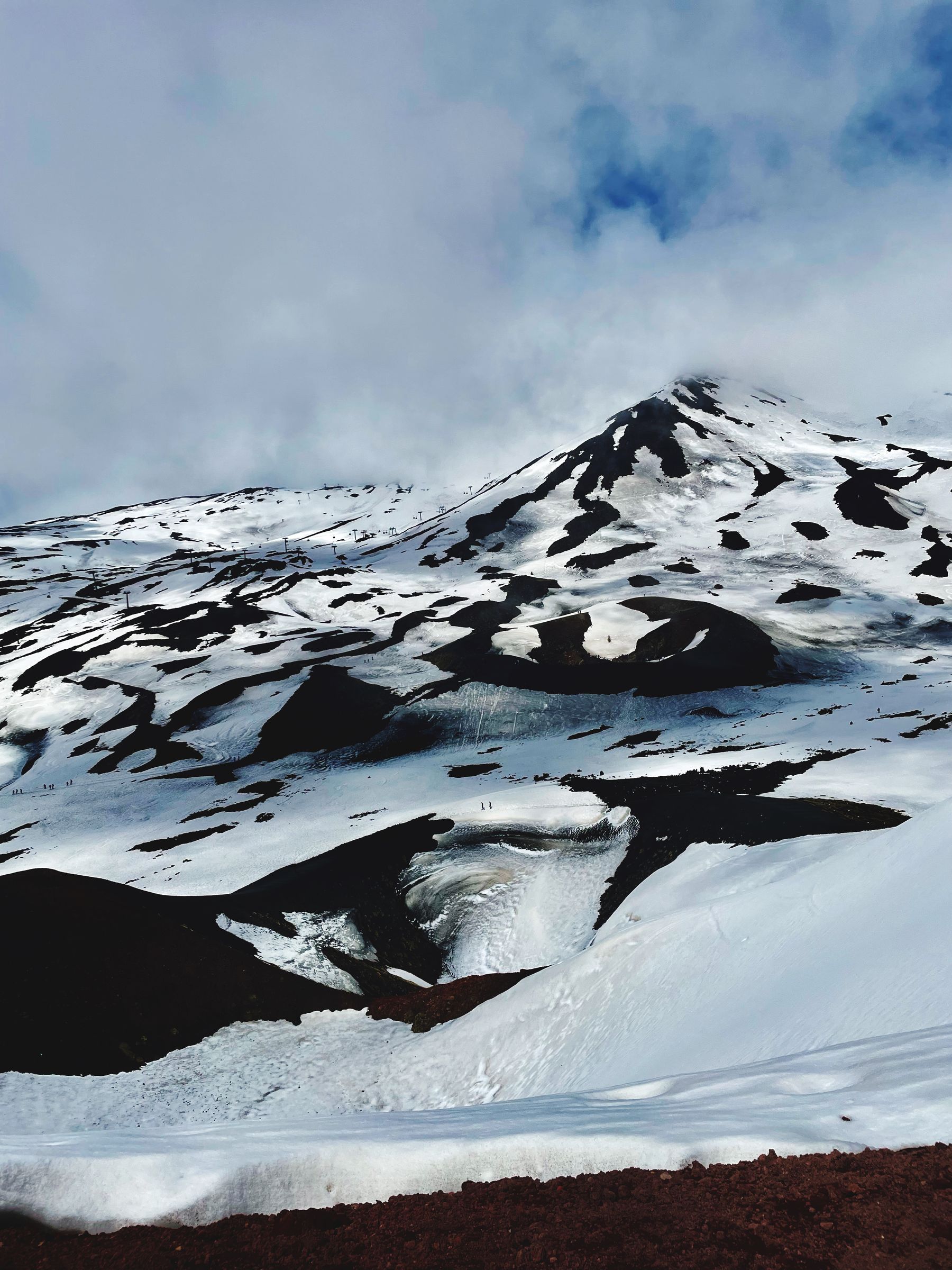
If the winery is part of a volcanic day, also read our guide to visiting Etna independently. Access, weather and activity at high altitude form a different logistical problem from vineyards lower down. Trying to compress the summit area, a long lunch and several tastings into one day usually creates more driving than understanding.
Etna DOC: what the name actually guarantees
Etna received DOC status in 1968 and was Sicily's first Denominazione di Origine Controllata. The official Consorzio di Tutela Vini Etna DOC was established in January 1994. The designation links grapes, production and rules to a defined area on the volcano's slopes; it does not promise that all bottles taste alike or suit every drinker. Producer, vineyard, vintage and cellar work remain important.
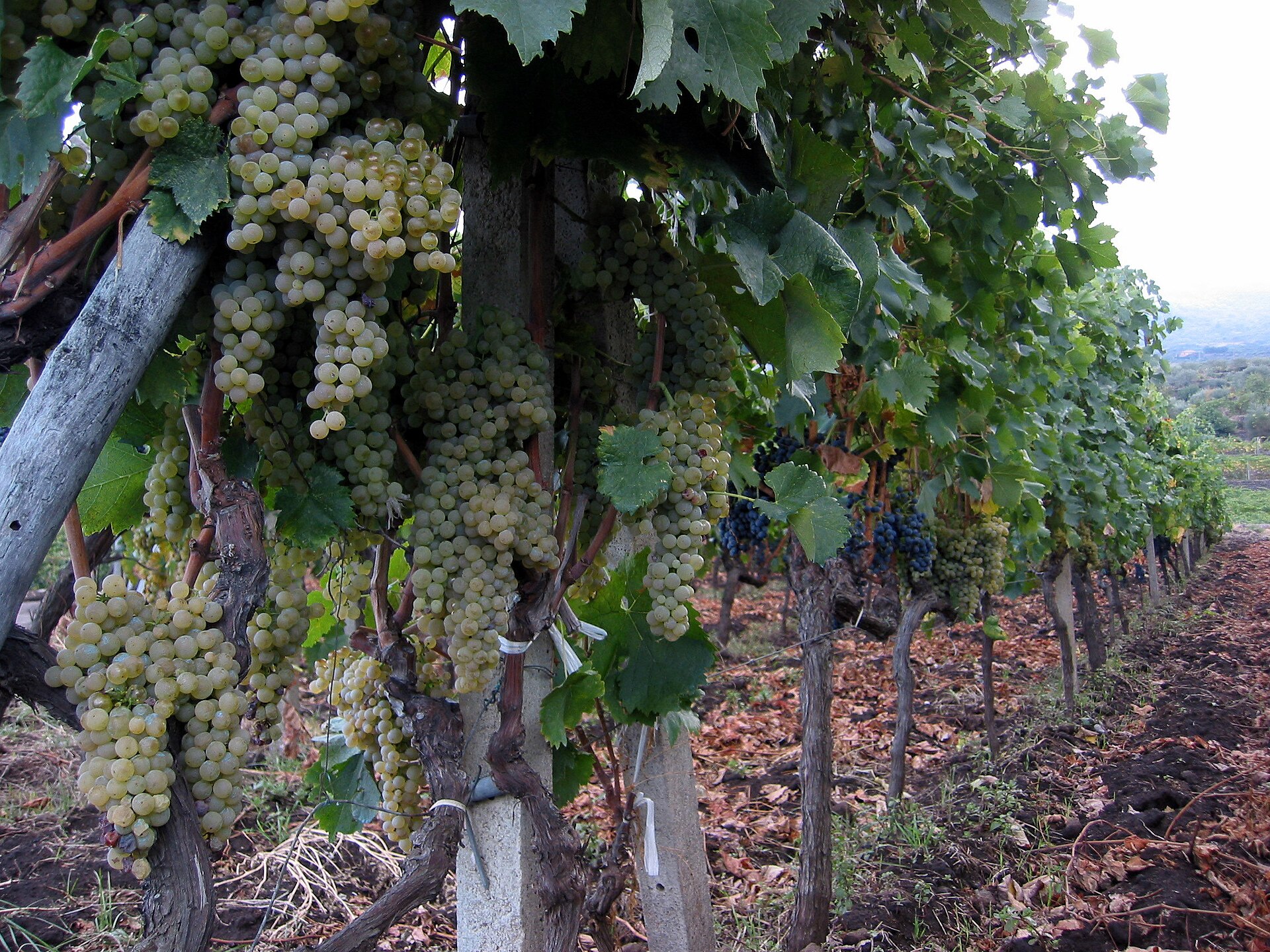
The current specification, last amended by ministerial decree on 19 January 2022 in the regional summary, covers Etna Bianco, Etna Bianco Superiore, Etna Rosso, Rosso Riserva, Rosato and sparkling categories. Standard Etna Bianco must contain at least 60 per cent Carricante. Catarratto Bianco comune or lucido may contribute up to 40 per cent, and up to 15 per cent may consist of other permitted non-aromatic white varieties within the specification.
Etna Bianco Superiore is not merely a more expensive or longer-aged white. Its grapes must come from the specifically delimited area in the municipality of Milo on the eastern side, and Carricante must constitute at least 80 per cent. Up to 15 per cent may be other permitted non-aromatic white varieties. Geography is central: “Superiore” connects a style to a concrete origin and stricter composition.
Etna Rosso, Rosso Riserva and Rosato must have a minimum of 80 per cent Nerello Mascalese. Nerello Mantellato, commonly called Nerello Cappuccio, may make up as much as 20 per cent. Any small share of other grapes must follow the exact specification, so a producer's technical sheet is better evidence than the assumption that every Etna Rosso is pure Nerello Mascalese. Consult the official regional summary of the Etna DOC specification for the complete legal requirements.
The grapes do not taste of volcano as a simple ingredient
Nerello Mascalese can produce pale to medium-coloured reds with acidity, tannin, red fruit, herbs and earthy or stony associations. It is tempting to call everything “mineral” and explain the taste directly through lava. Minerals in soil, however, do not travel into a glass as a ready-made flavour. Water availability, soil structure, altitude, temperature, sun, wind, farming, fermentation and maturation shape perception. “Volcanic” is useful as geographical context and misleading as a universal taste explanation.
Carricante often retains marked acidity and may suggest citrus, herbs and saline flavours, while developing with age. Catarratto can add breadth and fruit; smaller local varieties may alter aroma and texture. Etna Bianco from different elevations and sides can therefore vary as widely as the reds. The Etna DOC consortium's official grape overview is a sober starting point.
Old bush-trained alberello vines are an important part of the area's history, but not every vineyard is ancient or cultivated identically. Dry-stone terraces demand extensive manual labour, while newer planting can be necessary for a living economy. During a visit, ask which parcels supplied the wine, the approximate age of vines, training system and yield. Concrete answers teach more than a general claim of “heroic viticulture”.
Altitude, exposure and lava create many Etnas
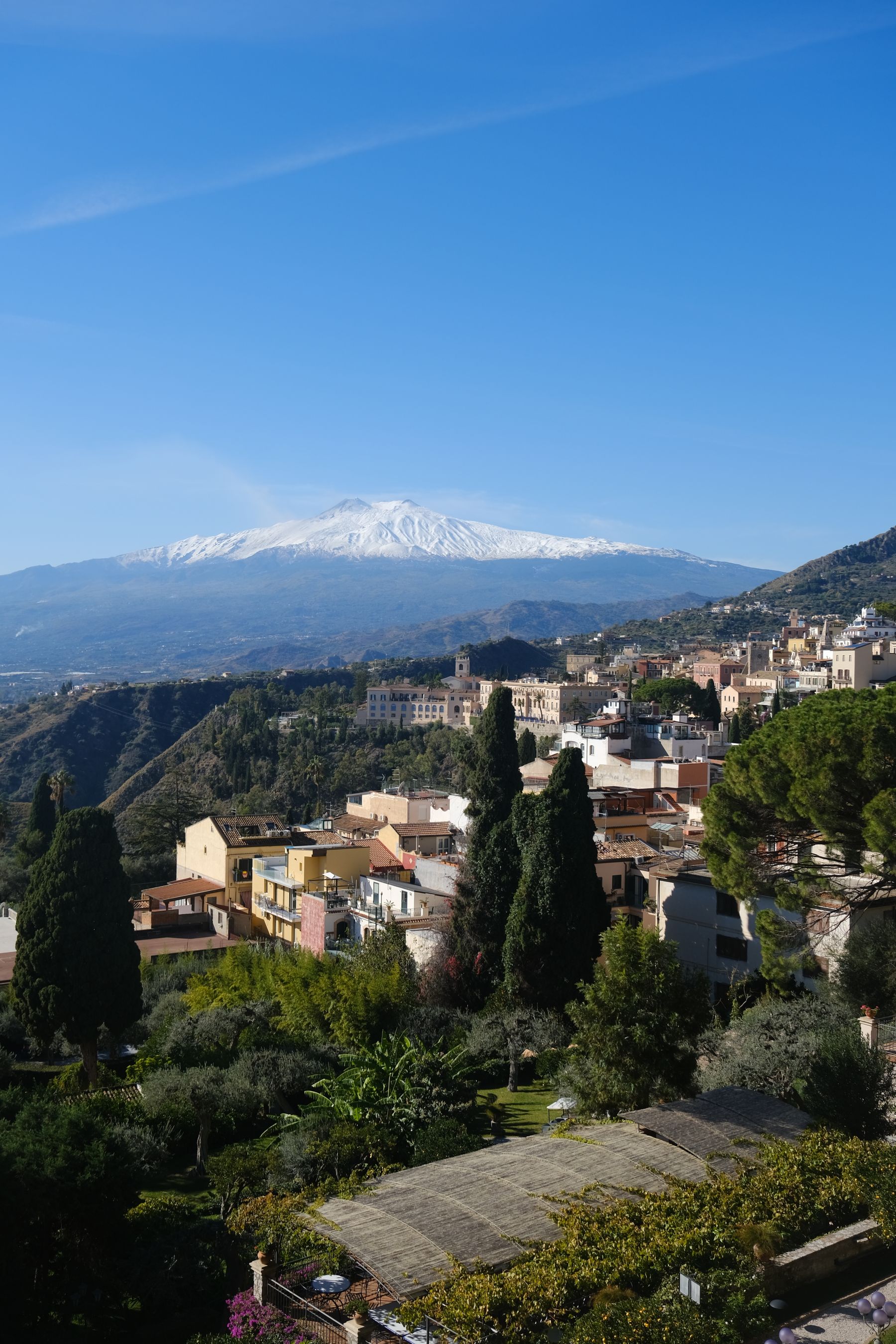
Etna rises above three thousand metres, though DOC vineyards naturally occupy lower inhabited and cultivated zones. Even there, temperature shifts with altitude and the difference between day and night may be substantial. The north receives different sun and wind from the east and south-east. The eastern side faces the Ionian Sea and is generally wetter, while parts of the northern slope have a drier character and a long association with Nerello Mascalese.
Lava flows from different eruptions produce soils of different age and weathering. Young, stony lava holds and releases water differently from older, more decomposed material. Ash, sand, rock and incorporated organic matter vary over short distances. The volcano is not one soil type. When a host points to a lava wall or names the year of a flow, ask how the particular vineyard manages water, erosion and roots rather than only remembering a dramatic date.
Vintage matters too. Heat, rain, frost, hail and harvest timing affect balance and volume. High elevation is not automatically better, and an older vineyard is not automatically more delicious. Both can provide distinctive raw material, but quality depends on work and whether the style suits you. A good tasting compares differences without turning them into a hierarchy.
Contrade: place names with a precise but evolving status
On Etna, contrada denotes historic local areas that may appear on labels when the rules are met. They are often compared with cru systems, but the analogy needs care. Contrade vary in size and internal geology, and the producer's work does not disappear behind the name. Since 2011, the official specification has recognised 133 contrade, or additional geographical units, across the DOC area's twenty municipalities.
The consortium's 2022 mapping project identified 142 units because it plotted nine proposed areas alongside the 133 in the specification for a possible future update. This does not mean that all 142 already possess identical legal label status. The consortium explains the distinction in its presentation of the contrade map. The nuance matters when using the map to plan or teach.
A visitor need not memorise 133 names. Instead, choose two wines from different slopes or contrade and taste them together. Ask whether they were made by the same method; otherwise the difference may come from both site and cellar. The map becomes valuable when connected to the road you have just travelled, the altitude you can feel and the soil visible in the vineyard.
North, east and south-east: build one coherent wine day
The northern slope around Randazzo, Castiglione di Sicilia, Passopisciaro and Linguaglossa contains a dense concentration of vineyards and producers. It is practical from Taormina, Giardini Naxos or north-eastern Etna, but mountain roads and distances consume more time than a map suggests. Randazzo has a historic centre and can provide a meal or walking pause, ensuring that the day does not happen solely at a tasting counter.
The eastern side around Milo, Piedimonte Etneo, Sant'Alfio and Santa Venerina is particularly relevant to white wine and to understanding the confinement of Bianco Superiore to Milo. Here the volcano's relationship with the sea is visible and the landscape generally greener. Giarre or Riposto can be useful bases below the slope. Staying locally makes it easier to book transport and avoid a long drive after tasting.
The south-east around Zafferana Etnea, Viagrande and Trecastagni fits naturally into a route from Catania and can be combined with villages, chestnut woods and lava scenery. That does not mean every winery is close or open to walk-ins. Etna is a working territory, not a continuous wine park. Choose one slope each day and reserve at most two substantial visits if you also want to eat and understand the places.
Choose a winery without relying on a concealed ranking
Start with logistics: where are you staying, and who will take you home? Then filter by the desired experience. A beginner may benefit from a structured introduction to red, white and rosato. An experienced drinker might seek a vineyard walk, a contrada comparison or older vintages. A family or visitor with limited mobility should ask specifically about steps, uneven ground, toilets and duration.
Read the producer's own site and write directly. Ask which language is used, how many wines and how much food are included, whether the vineyard is visited, how long the experience lasts and what cancellation policy applies. “Light lunch” may mean anything from bread and cheese to a full meal. Declare allergies in advance. If someone promises a private experience at a very low cost, confirm group size and content.
Do not treat social-media follower counts as a measure of quality. A large producer may offer professional communication and access to several vintages; a small one may bring you closer to the work but have fewer time slots and cancel during harvest. Both models are legitimate. A paid tasting is a service, and there is no duty to buy bottles unless the terms clearly state otherwise.
Reservations, harvest and etiquette on a working farm
Most serious visits should be booked. A winery may sit behind a gate without a staffed shop, while its family or employees work in vineyards and cellar. Arrive on time; mountain roads, tractors and town traffic make a buffer wise. Call if delayed instead of arriving in the middle of the next group.
Harvest may begin earlier in lower or warmer parcels and continue later at elevation. It is fascinating but also the most labour-intensive period of the year. A September or October visit is not automatically more intimate; production areas may be restricted for work and safety. Respect the decision if a planned vineyard walk changes.
Wear closed shoes in a vineyard and dress for altitude. Etna can be cool, foggy or wet while Catania's coast is hot. Strong perfume interferes with tasting. Spitting is normal, especially when comparing many wines, and leaving a glass unfinished is entirely acceptable. The purpose is attention, not proof of tolerance.
Transport and alcohol: solve the return before the first glass
Wineries are dispersed, and public transport does not reach every estate. Ferrovia Circumetnea links several towns on the volcano's lower slopes, but a station may be kilometres from a vineyard and the timetable may not fit a reserved tasting. The official page for Circumetnea's lines is the only sensible source for current rail and bus information.
An organised wine-train product has at times linked Riposto or Piedimonte Etneo with Randazzo, combining railway, transfer, village and winery visits. It is attractive because transport is built in, but it does not necessarily run on every date. Find and book the current product through Circumetnea or its named organiser; do not plan from a previous season's brochure.
The safest answer is a sober designated driver, a pre-booked private driver or an organised tour with transport. Taxis need advance arrangement because a rural winery cannot be expected to have waiting cars or app coverage. If renting, read our Sicily driving guide, but do not let the person tasting drive.
Italy's standard blood-alcohol limit is 0.5 mg/ml, equivalent to 0.05% BAC, while novice and certain professional drivers have a zero limit. A legal maximum is not a target for tasting. Body weight, food, time and wine strength do not provide a reliable calculation at the table. The EU's official summary of Italian road rules sets out the legal framework; the practical rule for a wine day is simpler: the driver does not drink.
Food, buying and shipping
Etna wine makes more sense with local food, but “local” need not mean a staged luxury menu. Cheese, olives, bread, vegetables, mushrooms, sausage and dishes using pistachio or pulses can show how acidity and tannin work at a table. Ask what was actually produced by the farm or in the district. A tasting board of imported standard food does not become site-specific because a volcano stands behind it.
When buying, choose wine you tasted and note its vintage and cuvée. Cellar-door prices are not always lower than those at a good retailer; the visit provides access and knowledge, not a guaranteed discount. Hand-luggage liquid rules apply when flying. Shipping to another country requires the producer or carrier to handle tax and terms correctly. Obtain a written price including freight, taxes, bottle count and liability for damage.
The most useful souvenir may be a clearer taste memory. Note slope, grape, elevation and what you actually perceived before reading the official tasting description. This lets you compare an Etna Bianco from Milo with a northern white, or a Rosso from two contrade, without simply repeating the host's language.
A calm and responsible wine-day outline
Begin with a booked morning visit on the slope nearest your base. Spend time in the vineyard if weather permits, and use the spittoon. Eat a proper lunch in a nearby town and walk through its centre. Any second visit should remain in the same geographical cluster and end early enough for a safe, pre-arranged journey home.
From the east coast, a day around Milo and Piedimonte Etneo can focus on Carricante and maritime influence. From Taormina, the northern slope around Linguaglossa, Castiglione and Randazzo may be more natural. From Catania, the south-eastern slope saves travel time. These are examples of geographical coherence, not quality rankings.
If the group also wants high Etna, consider two days. The volcano's visitor areas are at a different elevation and require weather assessment, equipment and flexibility. A slow wine day lets you understand that Etna does not merely provide scenery: villages, terraces, soils, grapes and labour are the story.
Official sources and the essential conclusion
Consorzio di Tutela Vini Etna DOC is the primary gateway to the appellation, varieties and mapping work. Use the regional DOC specification for legal detail, Circumetnea for current transport and INGV Osservatorio Etneo for volcanic information if your day also reaches higher terrain.
A good Etna visit is not measured by the number of logos or glasses collected. Select one slope, ask concrete questions, compare with an open mind and make transport safe in advance. The wine then becomes a way to read the volcano's inhabited landscape, not simply a product placed in front of a view.