Fact-checked 22 July 2026. Opening hours, access to nature reserves and volcanic conditions can change; this guide therefore links to the relevant official sources.
Sicily’s most important attraction is the connection between its places
“What should I see in Sicily?” sounds like a simple question until it becomes a geographical trap. Etna, Palermo, the Valley of the Temples, Ortigia and the Baroque towns may all sit on one wish list, although they belong to different travel rhythms and realistically require more than one base. Sicily does not reward the traveller who collects the greatest number of pins on a map. The island becomes more legible when you choose a region and notice how landscape, history, food and urban life fit together there.
This is not a ranking. It explains which experiences belong naturally together, what they reveal about Sicily and which are sensible on a first journey. A week on the east coast can include Etna, Taormina, Catania and the Ionian towns without becoming a race. A week in the west can connect Palermo with Monreale, Cefalù, Segesta, Erice and Trapani. The south-east needs its own pace because Syracuse, Noto, Vendicari, Modica, Ragusa and Scicli are not interchangeable photo stops. Each is a different answer to trade, terrain, earthquake and reconstruction.
If you have only seven days, select one of those clusters and no more than one longer detour. Our realistic seven-day itinerary explains why one practical base can deliver more substance than a new hotel every night. If you have not chosen a region, the guide to where to stay in Sicily clarifies the differences between east, west and south-east.
History does not sit in layers; it stands side by side
Sicilian attractions are often presented as a neat chronology: Greeks, Romans, Arabs, Normans, Spaniards and finally Italy. The reality is less orderly and far more useful. Phoenician and Punic connections left their strongest traces in the west, while Greek city-states founded some of the Mediterranean’s most powerful cities in the east and south from the eighth century BCE. Rome took the island during the Punic Wars and made it central to imperial food supply. At Piazza Armerina, the mosaics of the Villa Romana del Casale demonstrate how wealthy and internationally connected a late Roman estate could be.
The Muslim conquest began in 827, and Palermo developed into a major Mediterranean city. Norman conquest between 1061 and 1091 replaced Muslim political rule, but court culture, craft and administration continued to draw on Arabic-speaking, Byzantine and Latin communities. The Palatine Chapel, La Martorana, Monreale and Cefalù therefore make most sense as products of a multilingual kingdom, not as ornaments supplied by a single isolated culture. UNESCO’s official description of Arab-Norman Palermo and the cathedral churches of Cefalù and Monreale specifically emphasises the interchange among Western, Islamic and Byzantine traditions.
In the south-east, the catastrophic earthquakes of 1693 led to a collective act of reconstruction. Noto, Ragusa, Modica, Scicli, Catania, Caltagirone, Militello Val di Catania and Palazzolo Acreide together form one World Heritage property. Their honey-coloured façades are not merely “Sicilian Baroque”. They are urban planning after disaster, with different responses to terrain, representation and resilience. UNESCO’s documentation stresses both the architectural coherence and the towns’ continuing exposure to seismic risk.
Modern history is visible too. Garibaldi’s campaign in 1860, mass emigration after Italian unification, the 1908 Messina earthquake, land reform and post-war urbanisation help explain why some historic centres are dense and intact while others sit beside disorderly modern suburbs. Sicily is not an open-air museum. Its monuments exist inside working cities, depopulating mountain communities, pressured housing markets and a visitor economy that can fund restoration while also pushing ordinary life away from famous centres.
The east coast: Etna, Catania and Taormina tell three different stories
Etna is a landscape, not merely a summit
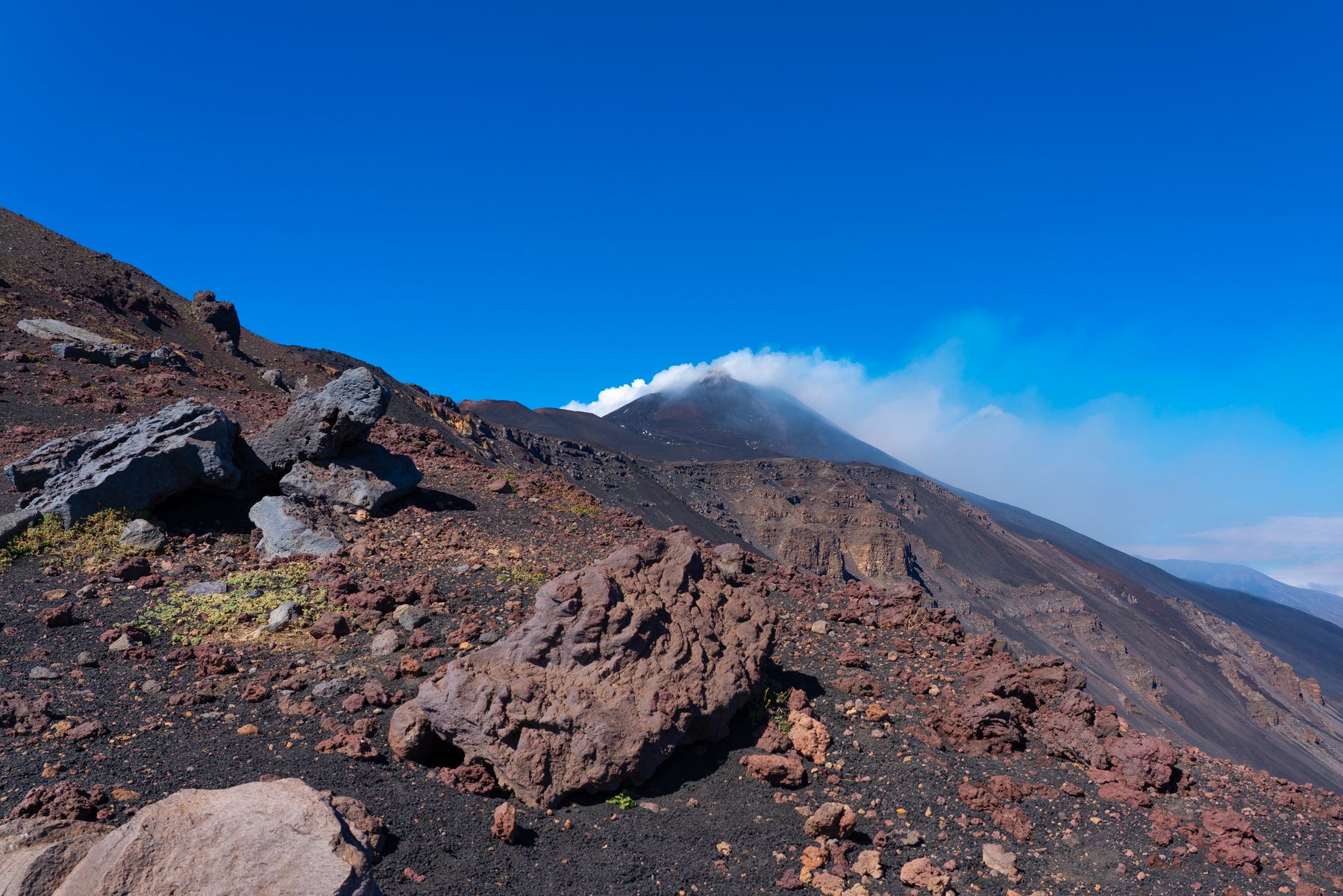
Etna is where Sicily most clearly shows that it is still being made. UNESCO’s property covers 19,237 uninhabited hectares in the volcano’s highest zone, and at least 2,700 years of eruptive activity have been documented. For a visitor, getting as high as possible is not necessarily the point. Old lava flows, chestnut woods, lateral craters, the Valle del Bove and dark vineyard terraces often explain the mountain better than a summit photograph. Weather, wind and volcanic activity can alter access on the day. Read our guide to visiting Etna independently, then check updates from INGV’s Etna Observatory and local authorities before setting out.
Catania deserves to be a city, not a transit point
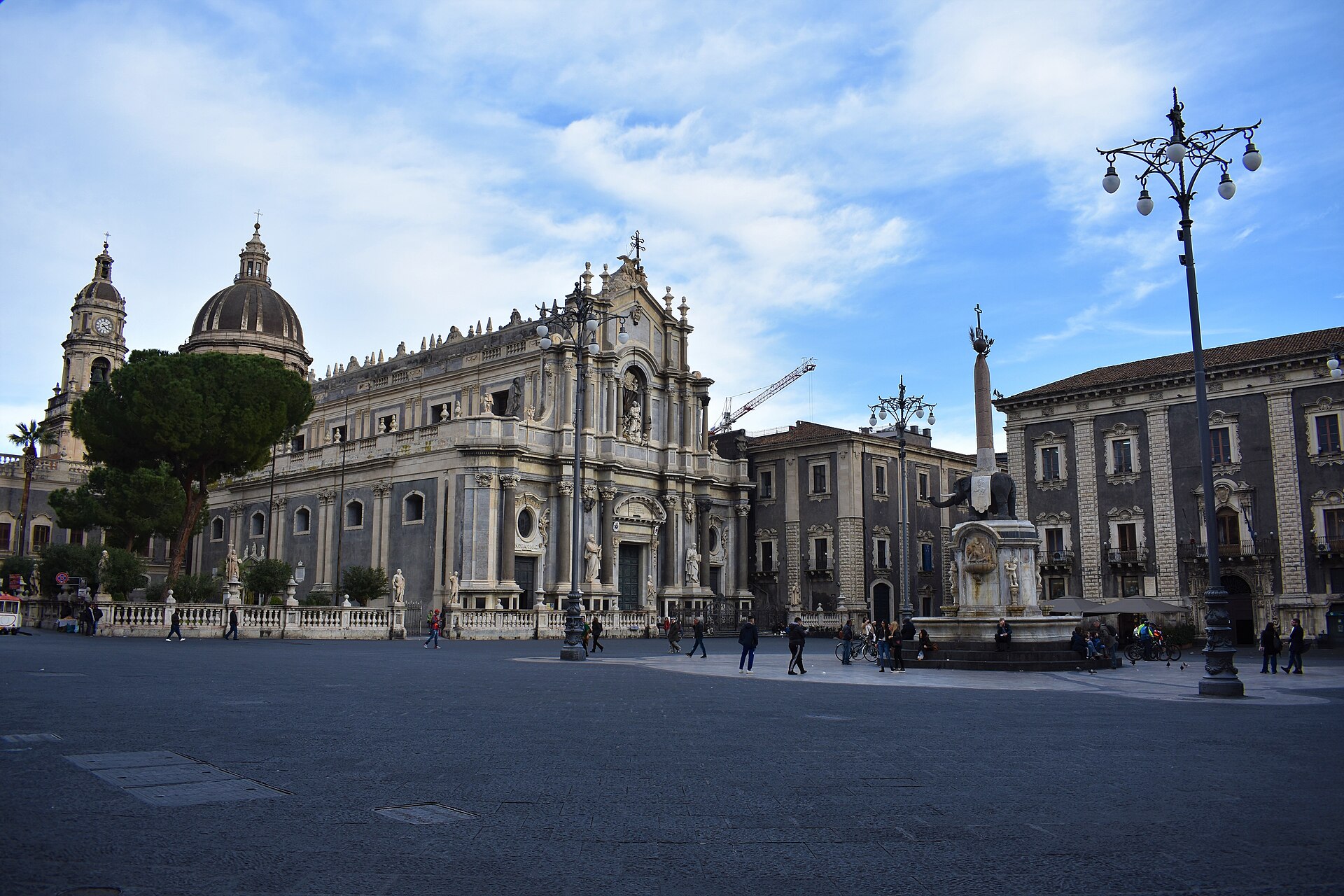
Catania is frequently reduced to an airport and a departure point for Etna. That misses the city’s physical relationship with the volcano. Via Etnea points towards the mountain; Piazza del Duomo, the cathedral and the elephant fountain all use the dark lava stone that also shapes palaces and pavements. The 1693 earthquake and the 1669 eruption informed the city that followed. La Pescheria is a working market rather than a set, and the Benedictine monastery reveals the institutional scale of the Baroque city. Catania is noisy, uneven and alive, which makes it a necessary counterpoint to Taormina’s polished centre.
Taormina rewards visitors who read beyond the view
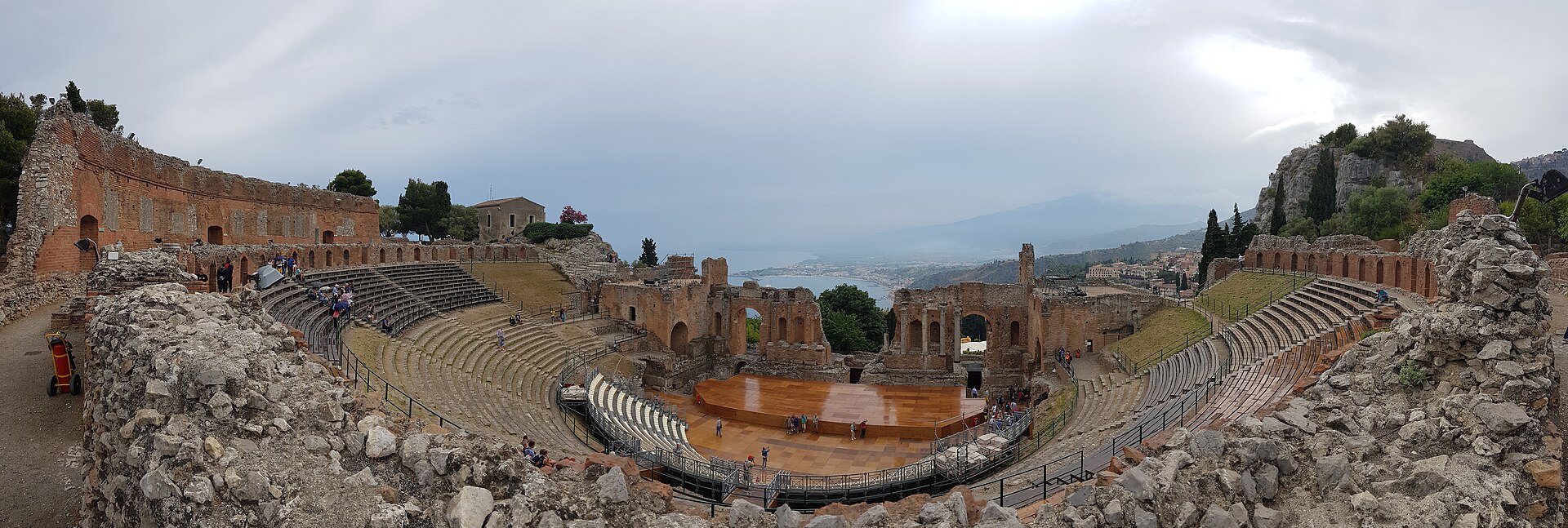
The ancient theatre is Taormina’s great monument, but the modern town is also a creation of international travel culture in the nineteenth and twentieth centuries. The view over coast and Etna explains its appeal; the congestion on Corso Umberto explains its price. Arrive at opening time or later in the afternoon, and combine the theatre with quieter lanes, the public garden and perhaps Castelmola. Isola Bella below is a small protected island and beach, not an unlimited bathing park. In high summer, space is the scarce resource. Our honest Taormina guide helps decide what deserves your time and money.
The Ionian towns restore ordinary life
Giardini Naxos, Riposto, Torre Archirafi, Aci Trezza and Giarre are not interchangeable seaside resorts. Naxos was the first Greek colony in Sicily and is now a substantial holiday town; Riposto is a port and market centre; Aci Trezza links lava stacks, fishing and the literary world of Giovanni Verga; Giarre is a practical commercial town between sea and volcano. They matter because they reveal an east coast without Taormina’s concentration of day visitors. Morning coffee, a swim and grocery shopping become part of understanding the place.
The south-east: Greek city, Baroque reconstruction and protected coast
Syracuse and Ortigia need at least a full day
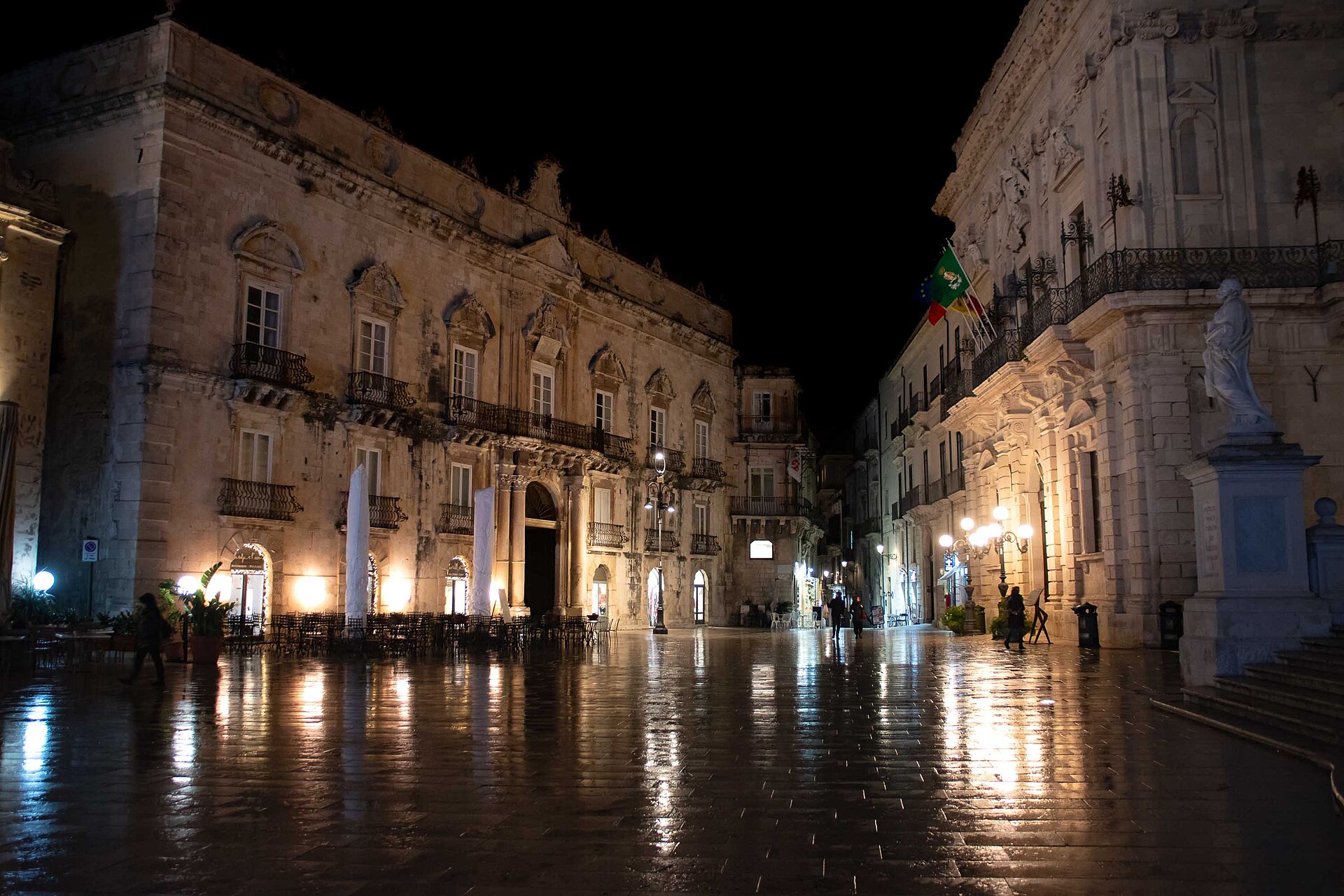
Syracuse was one of the Greek world’s principal cities. The experience is now divided between Neapolis on the mainland and Ortigia, the compact historic island. The Greek theatre, quarries and Altar of Hieron belong to the archaeological city; the Temple of Apollo, cathedral built around an ancient temple of Athena, freshwater spring and sea walls belong to Ortigia’s later life. Many visitors see only the island’s photogenic lanes and miss the city’s scale. Spend a morning at Neapolis, eat away from the most conspicuous squares and walk Ortigia’s perimeter when the day begins to cool.
Noto is planned theatre after 1693
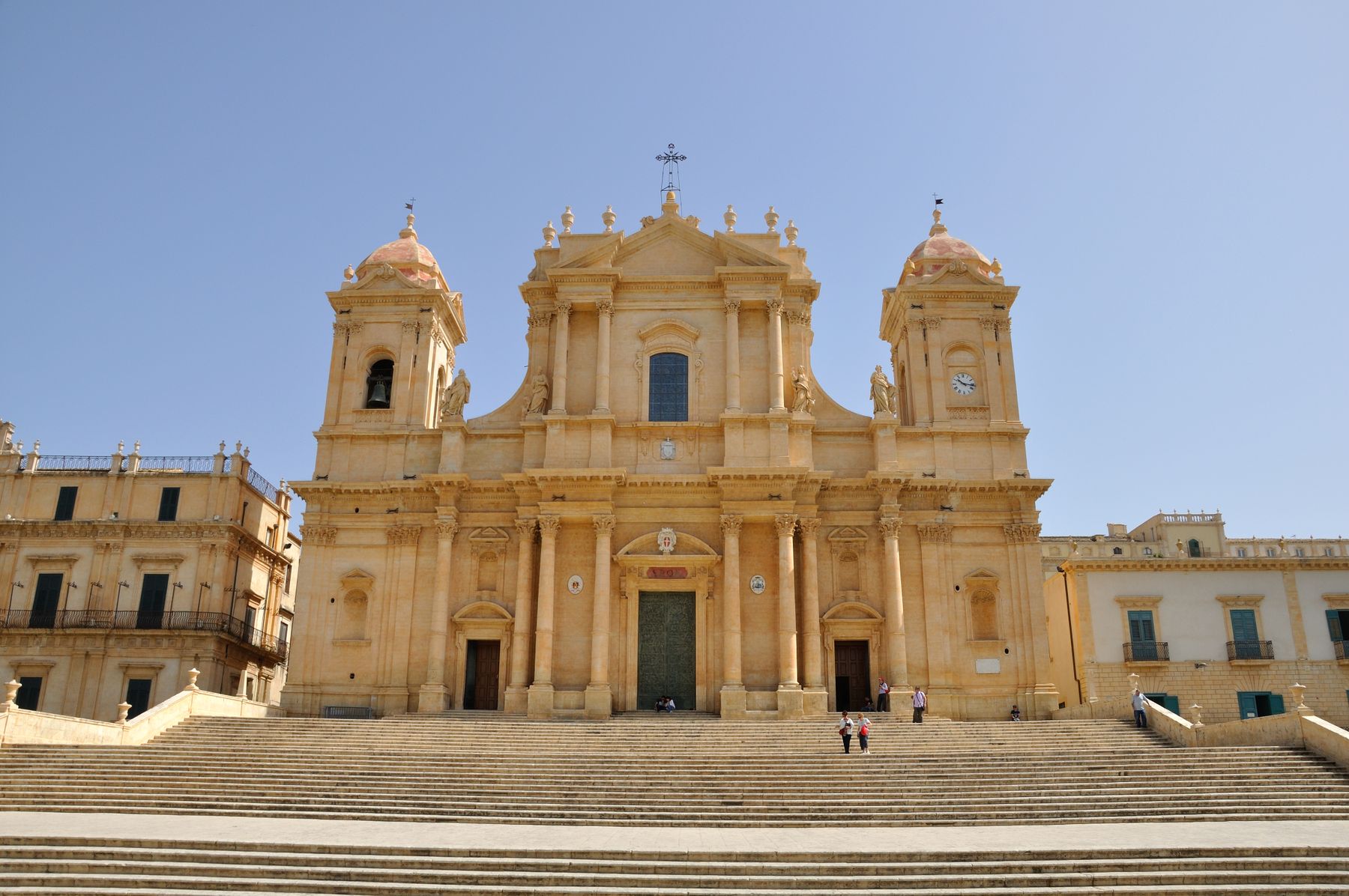
Corso Vittorio Emanuele can feel almost stage-managed because the new Noto was planned around processions, sight lines and representation. The cathedral, Palazzo Ducezio, Santa Chiara and San Domenico should not be rushed as four separate attractions. Notice how steps, façades and piazzas direct the eye, then climb into the side streets where the city returns to homes, schools and traffic. Do not attempt Noto, every Vendicari beach and a long Marzamemi dinner in one compressed afternoon. Our Noto, Marzamemi and Vendicari guide sets out a more credible route.
Ragusa, Modica and Scicli are not three versions of one town
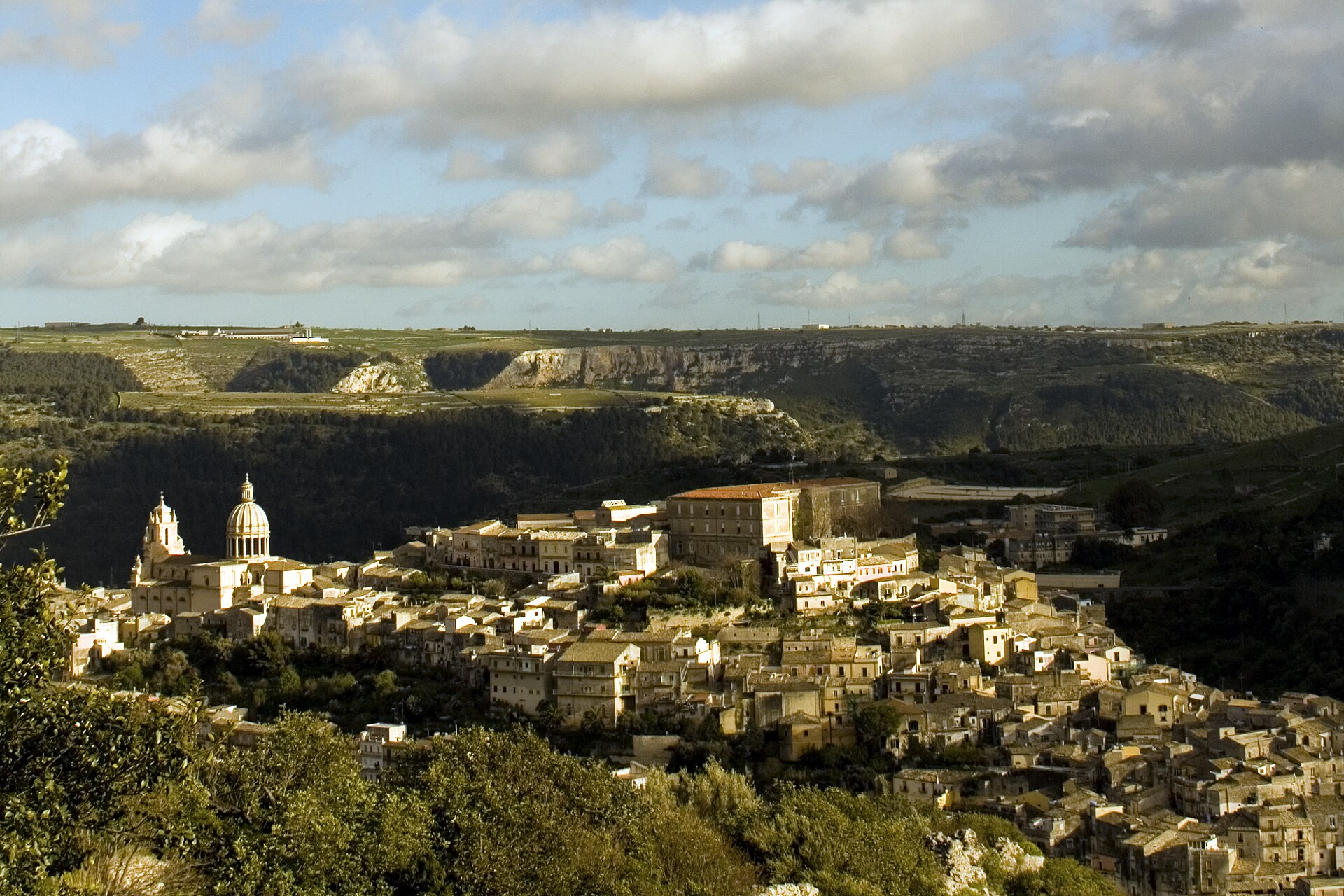
Ragusa Ibla sits as a dense historic organism beneath the newer upper town. Modica unfolds through a deep valley of stairs, churches and a distinctive chocolate tradition. Scicli is smaller and more immediate around Via Francesco Mormina Penna. The earthquake binds their stories together, but topography produced different solutions. Choose one for a slow visit, or two with an overnight stay. Driving through all three in one day produces more parking manoeuvres than insight.
Vendicari shows why “unspoilt” depends on rules
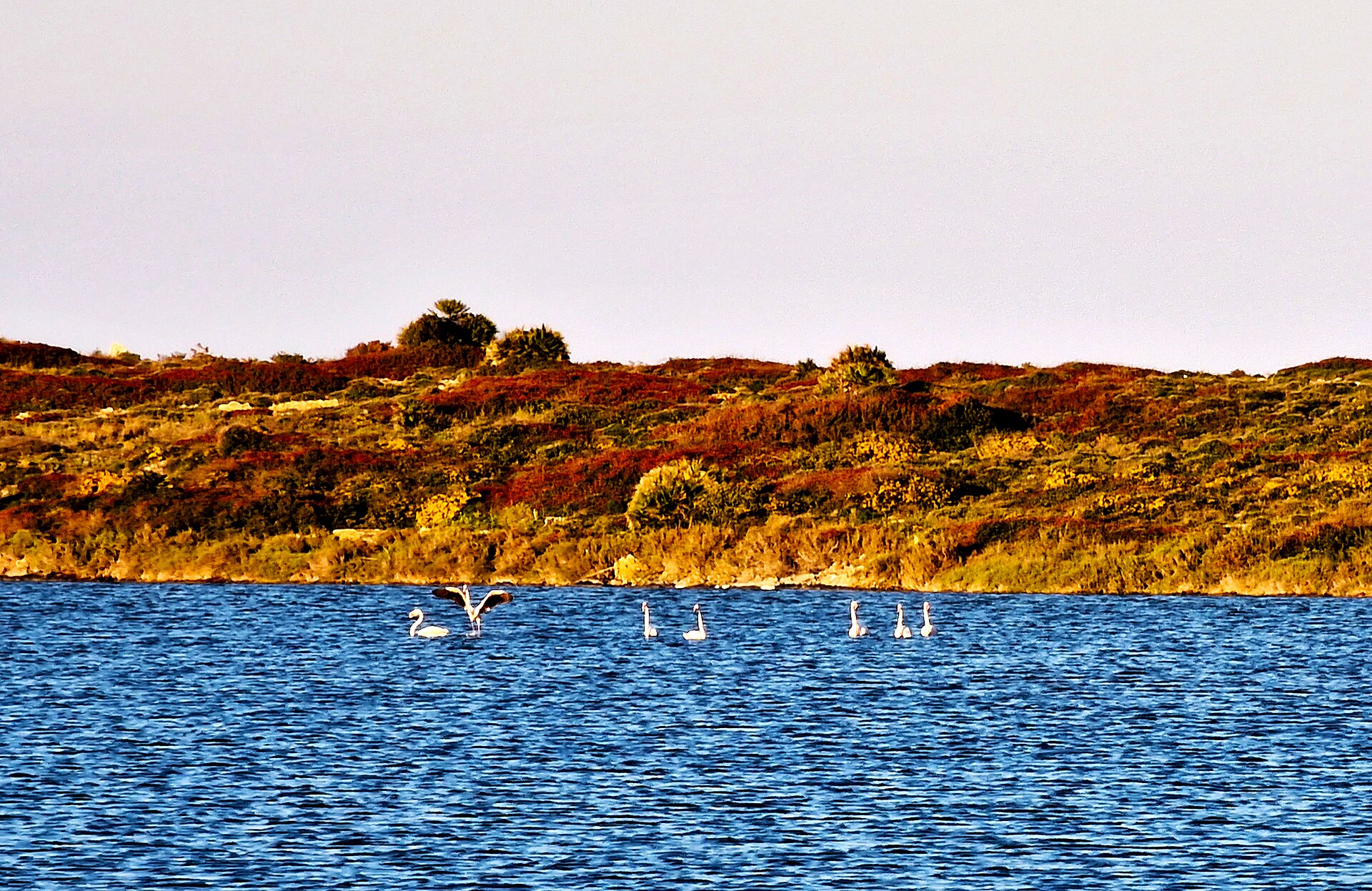
Vendicari is simultaneously coast, wetland, migratory stopover, historic tuna works and archaeological landscape. Calamosche is only one small cove within the reserve. Eloro, Marianelli, the Tonnara zone and Cittadella dei Maccari have different access points and stories. Shade is limited and services within protected sectors are minimal or absent, making water, a hat and proper footwear part of the visit. The official regional reserve page documents the wetland’s Ramsar status and biological role.
The south and centre: ancient scale and inland Sicily
The Valley of the Temples is better when heat does not control the pace
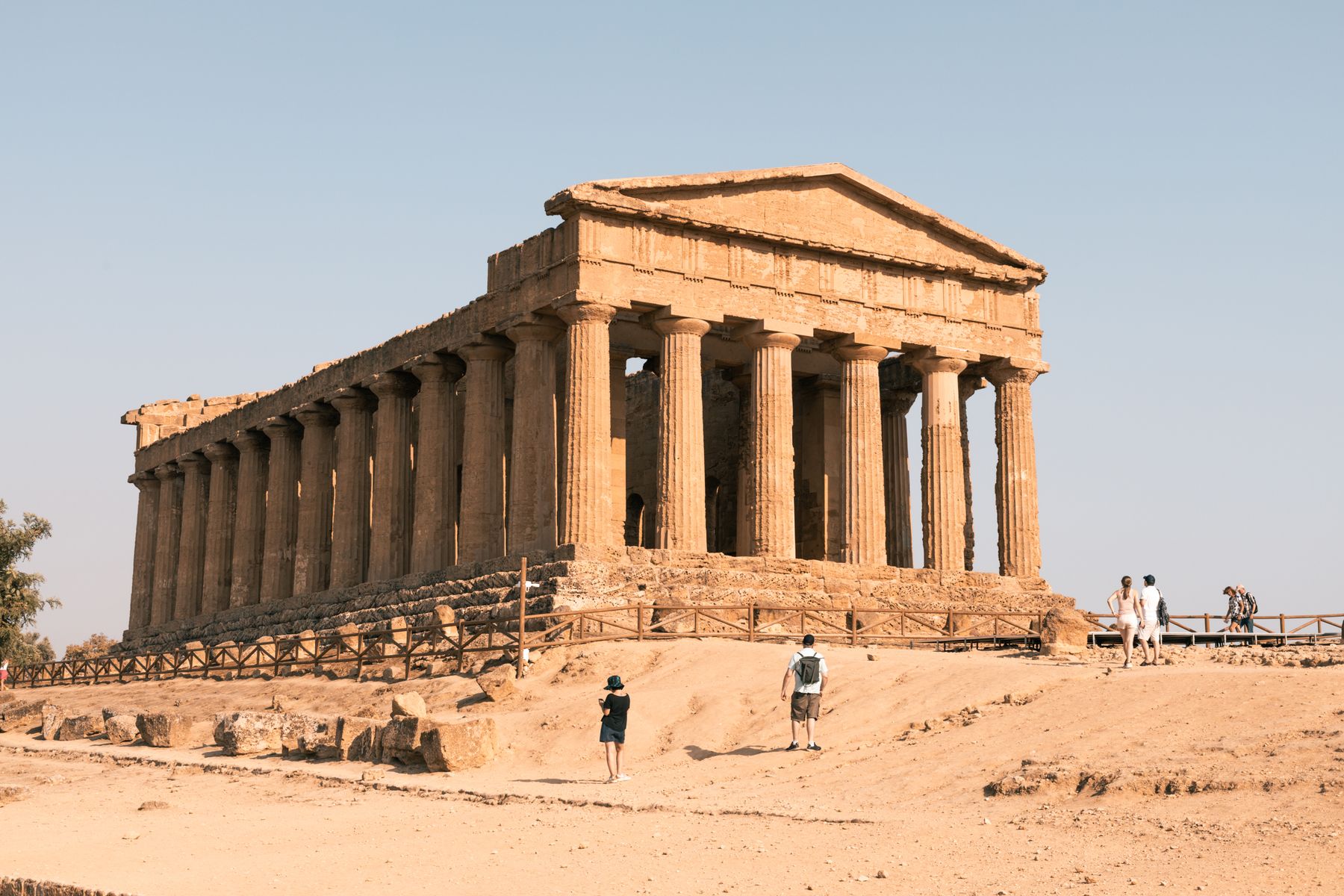
Akragas was founded as a Greek colony in the sixth century BCE and grew into a leading Mediterranean city. The Valley of the Temples is not a set of isolated monuments in a valley, but part of a broad urban and agricultural landscape. The Temple of Concordia is the familiar emblem, while the Juno, Heracles and Olympian Zeus areas reveal different periods and ambitions. In summer, late afternoon and evening are generally more humane than midday. Check current tickets and seasonal hours on the archaeological park’s official page; the timetable changes through the year.
Villa Romana del Casale asks you to look down
Near Piazza Armerina is one of Europe’s most extensive collections of late Roman mosaics in its original architectural context. Hunting scenes, animals, sport, transport and myth make the villa more than an opulent residence. It demonstrates the connections among landholding, empire and a Mediterranean island too often presented only through its Greek past. Its inland location means it fits a route including Enna, Caltagirone or Agrigento. It is not a casual detour between Taormina and Palermo.
Enna, Caltagirone and smaller hill towns change the island’s perspective
From Enna’s altitude, Sicily becomes an inland landscape of grain fields, lakes and ridges. Caltagirone’s ceramic tradition covers workshops, façades and the monumental Santa Maria del Monte staircase, yet the town is also one of the eight Baroque components on the UNESCO list. In communities such as Petralia Soprana, Gangi and Sperlinga, the beautiful view is inseparable from depopulation and long journeys to services and work. A visit has greatest value with an overnight stay or as part of a deliberate inland route, not as a hunt for a marketable “secret village”.
The west: Palermo, temples, mountain towns and islands
Palermo requires selection, not completion
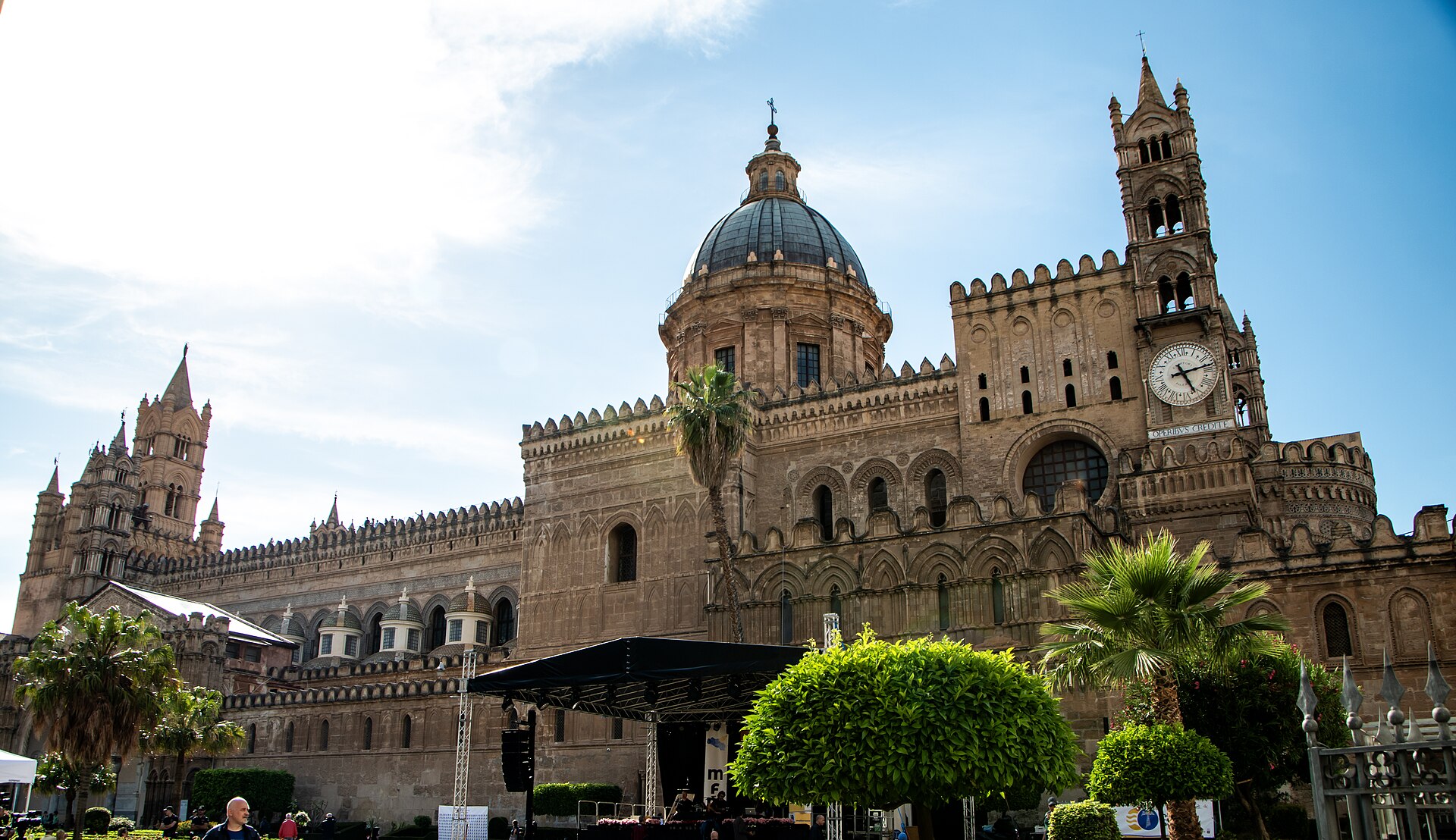
Palermo can occupy several trips. The Palatine Chapel and Norman Palace display the mixed visual language of royal power; the cathedral records later remodelling; La Martorana and San Cataldo stand almost beside one another yet appear to come from separate worlds. Ballarò, Capo and Vucciria are not identical markets, and Vucciria has become largely an evening entertainment district. Kalsa contains palaces, war damage, restoration and ordinary housing. Choose one historical axis and one district each day. Monreale’s mosaics deserve half a day, while Mondello should be approached as beach and suburb, not another monument.
Cefalù is easy by train but deserves more than a day-trip label
Cefalù’s beach beside the medieval town makes it easy to grasp in a few hours, and the rail connection from Palermo makes it an obvious excursion. Yet the cathedral mosaics, Arab-Norman history, old washhouse, harbour and La Rocca hold more layers than the beach image. Staying overnight gives the town back after day visitors leave and allows a climb in cooler hours. In summer, accept that the central beach can be both beautiful and densely occupied.
Segesta and Selinunte should not compete to be “best”
Segesta’s Doric temple stands dramatically among hills, with its theatre higher up looking across western Sicily. The city was Elymian, a reminder that ancient Sicily cannot be reduced to Greeks against Carthaginians. Selinunte occupies a much larger coastal site of temples, acropolis and ruins requiring time, water and often internal transport. Segesta fits naturally between Palermo and Trapani; Selinunte belongs to a south-west itinerary with Mazara del Vallo, Menfi or Agrigento.
Erice, Trapani and the Egadi Islands share a view, not a pace
Erice is a mountain town of stone lanes, a Norman castle and rapidly changing cloud. Trapani is a flat working port whose ferries and daily rhythm open towards the salt landscape and Marsala. Favignana, Levanzo and Marettimo require a ferry and a different relationship with weather and luggage. Erice and Trapani can share a day; the Egadi Islands deserve at least one full day and ideally an overnight stay. Wind can disrupt departures, so never place an island immediately before a critical flight.
The smaller islands are not appendices to the main island
The Aeolian Islands north of Messina are listed by UNESCO for their volcanology. Lipari is the transport hub with archaeology and year-round life; Vulcano offers sulphur, craters and black sand; Salina is greener and strongly agricultural; Stromboli is an active volcano whose access is governed by safety rules. The Pelagie Islands, including Lampedusa, occupy a very different geographical and logistical world south of the main island, while Pantelleria to the west has its own volcanic landscape and North African connections. Treat an archipelago as an independent part of the journey. Calling these places day trips “from Sicily” conceals distance and local society.
The same applies to nature. Zingaro, the Nebrodi and Madonie mountains and the Alcantara gorges are separate ecosystems with different access challenges. Fire, storms and maintenance can close paths. Zingaro reopened only partially after the 2025 fire, and access arrangements continued to evolve in 2026. Always consult the reserve’s official information page on the day rather than relying on an old blog post.
How to choose for three, seven or fourteen days
With three days, choose one city and its nearest landscape: Palermo with Monreale or Cefalù; Catania with Etna; Syracuse with Noto; Trapani with Erice. Seven days can support a full regional argument: east between Etna and Taormina, west between Palermo and Trapani, or south-east between Syracuse and the Baroque towns. With fourteen days, two regions can be joined by a meaningful stop near Agrigento or inland. A complete coastal circuit is still rarely wise when the purpose is to experience places rather than relocate each day.
Season changes the priorities. In July and August, archaeological sites, city walks and mountain paths belong early or late in the day, with midday reserved for lunch, shade or water. Spring and autumn better suit a mixture of culture and walking. Winter returns ordinary life to Palermo, Catania and Syracuse, but ferries, mountain weather and seasonal coastal businesses require flexibility. Compare the trade-offs in our guide to the best time to visit Sicily.
A car is valuable for reserves, mountain towns and wine country but a liability in historic centres with restricted-traffic zones and scarce parking. Palermo, Cefalù, Catania, Taormina-Giardini and Syracuse can be linked by rail; the difficult part is often the last kilometre to a beach, village or rural property. If you hire a vehicle, read our guide to driving, parking and ZTL zones. Plan around the slowest stage of the day, not the theoretical driving time shown on a map.
The lesser-known Sicily is often beside the famous one
You need not drive to an unknown village to find another Sicily. On Etna, replace the traffic around Rifugio Sapienza with a lower nature trail or a working wine town. In Palermo, the Oratorio di San Lorenzo, Palazzo Butera or an ordinary neighbourhood market can reveal more than another “must-see”. At Agrigento, the Kolymbethra garden preserves a cultivated landscape within the archaeological zone. Near Noto, Noto Antica holds the ruins of the city that the earthquake forced its population to abandon.
The most useful insider principle is to treat open churches, working markets and inhabited streets as places with purposes of their own. Cover shoulders and knees in churches, do not interrupt worship for a photograph, and buy something if you photograph a stall closely. At archaeological sites and reserves, stones, plants and wildlife stay where they are. These norms are not decorative etiquette around the experience; they are what allows the places to continue functioning.
A good Sicily trip leaves something for next time
Sicily feels inexhaustible because one geography carries competing stories: Greek temples and Punic traces, Norman churches made with Islamic and Byzantine expertise, Baroque towns created by catastrophe, volcanic agriculture and modern mass tourism. The best attraction is therefore not necessarily the most famous, but the one that makes the surrounding landscape understandable.
Choose a regional relationship, give the major sites the time their scale requires and use smaller stops to see the daily life in which the monuments stand. Your checklist will become shorter, but the journey will become larger.
Official sources and further planning
The island’s seven World Heritage properties are summarised by Visit Sicily, Regione Siciliana. UNESCO maintains individual dossiers for Mount Etna, the Archaeological Area of Agrigento and the Late Baroque Towns of the Val di Noto, among others. Always use the relevant park or institution’s own website for same-day access, tickets and safety rules.