Fact-checked 24 July 2026. Flights, ferries, prices and seasonal openings change. Use this guide to choose an island, then verify your dates with the airline, ferry operator and accommodation.
The short answer: Sicily for variety, Sardinia for a nature-led beach holiday
Choose Sicily if you want lively cities, Greek temples, Baroque towns, Mount Etna, markets, wine country and very different coastlines in one trip. Choose Sardinia if clear water, long beach days, rocky coves and a quieter holiday close to nature matter more than a dense programme of historic cities.
That is a rule of thumb, not a verdict. Sardinia has Nuragic monuments, urban life in Cagliari and Alghero and a distinctive food culture. Sicily has exceptional beaches and reserves. The real difference is what will occupy most of a normal week and how much travel is required between experiences.
Beaches and sea: Sardinia is the safer choice when the water is the main event
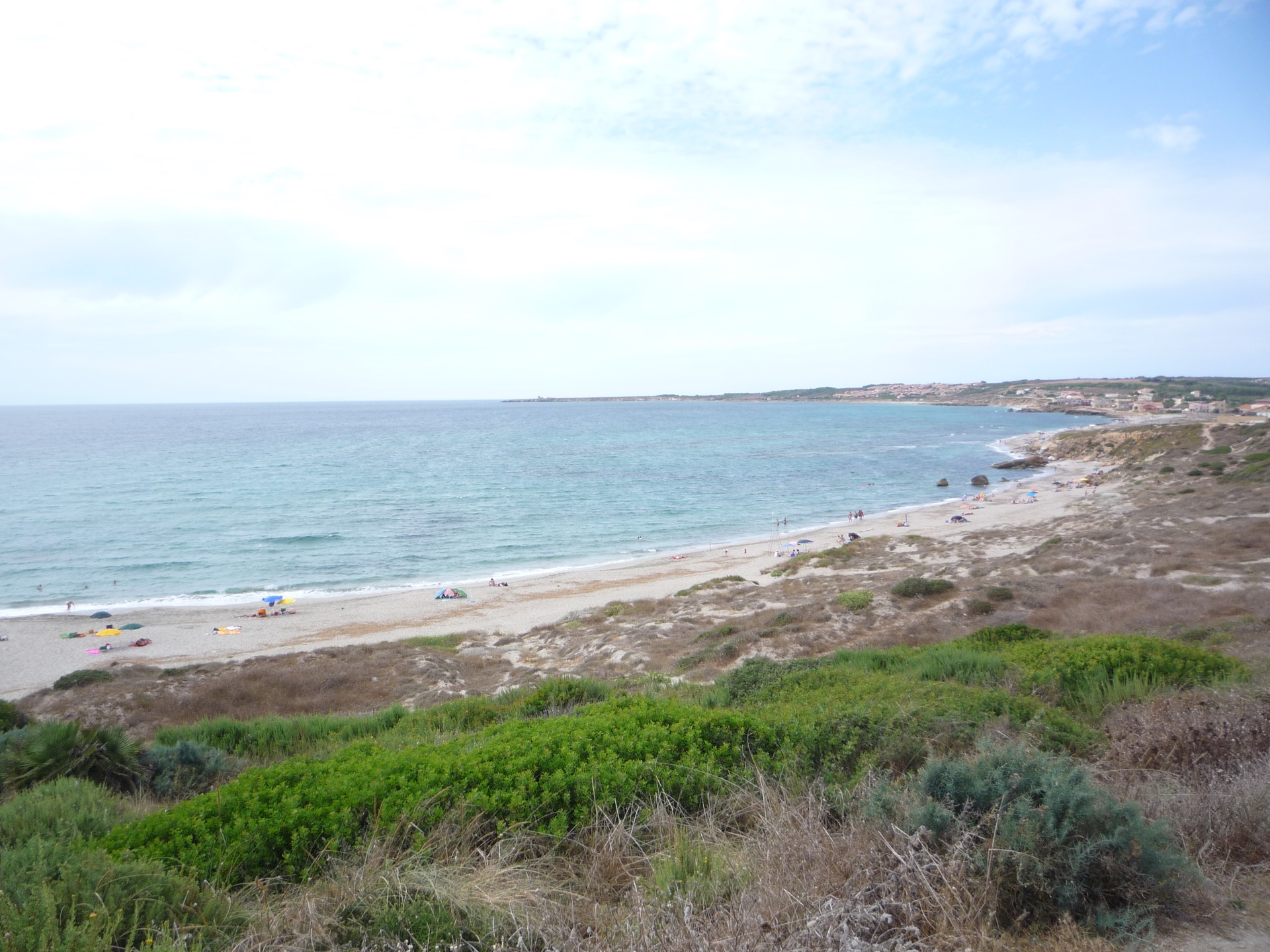
Sardinia's best-known coasts offer pale sand, granite coves and turquoise water. The regional tourism authority introduces Costa Smeralda, the Sinis peninsula and the long southern beaches on the official SardegnaTurismo website. Famous coves can be expensive and crowded in July and August, and many of the loveliest places are easiest to reach by car.
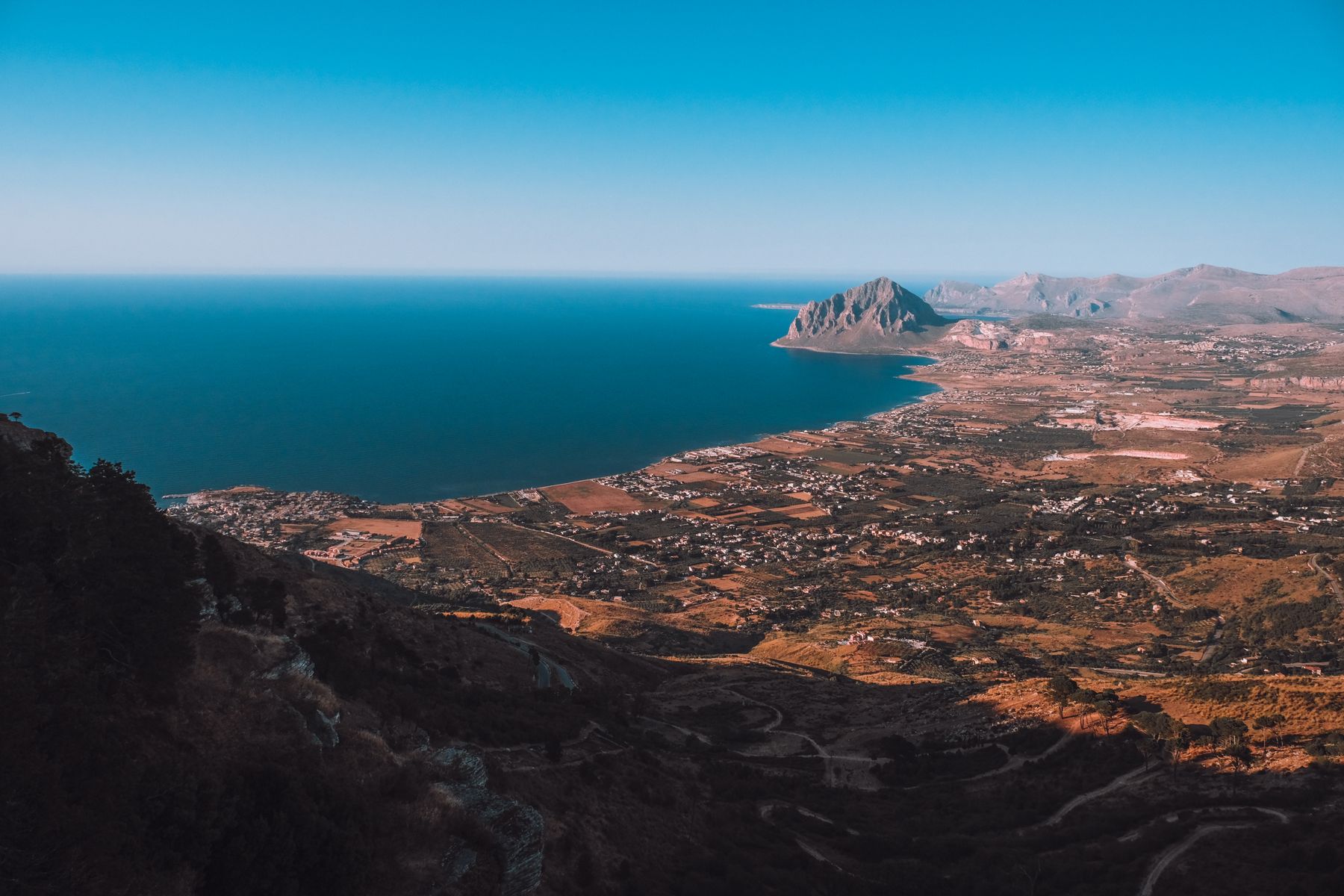
Sicily's coast is less uniform: fine sand in the north-west and south-east, volcanic rock and pebbles along parts of the east, and reserve beaches reached by a hot walk. That creates more variety but does not always match the classic beach image. Read our guide to Sicily's best beaches if swimming matters but Sicily still attracts you.
Culture and cities: Sicily puts more variety within one journey
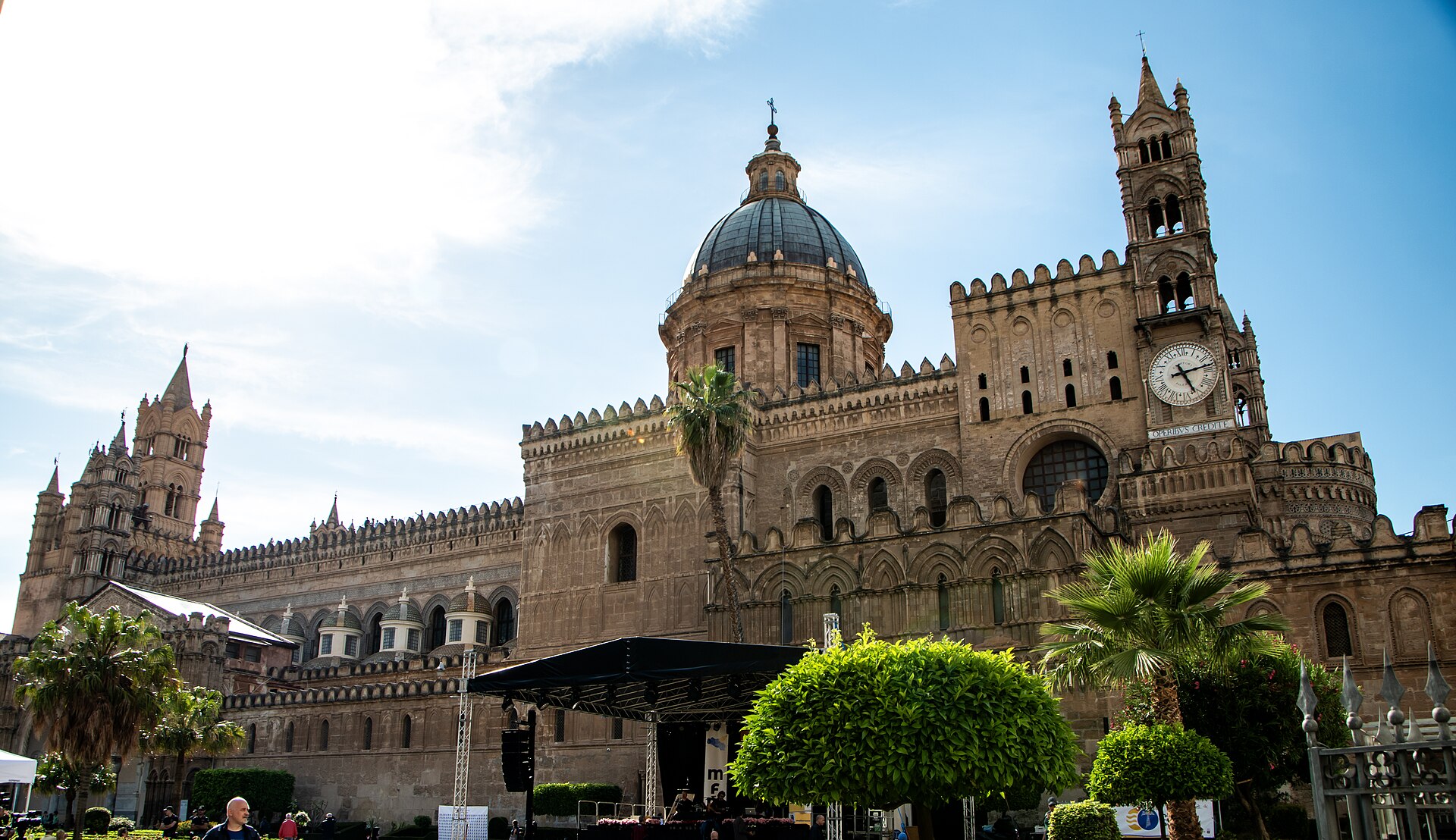
Sicily contains Greek, Roman, Arab, Norman and Spanish layers. Palermo combines markets and Arab-Norman monuments; Catania is built in dark lava; Syracuse brings together Ortigia and a major archaeological area; Noto, Modica and Ragusa represent the late Baroque. Visit Sicily introduces the island's main cultural and natural areas on its official tourism website.
Sardinia's special inheritance includes Nuragic towers, prehistoric tombs, Romanesque churches and cities shaped by Catalan and Piedmontese rule. The culture is strong, but many places are more widely dispersed. If you want a different archaeological or historical stop almost every day, Sicily is usually the easier choice.
Food: two strong cuisines with different characters
Sicilian cooking brings together aubergine, tomato, citrus, pistachio, almonds, ricotta, tuna and swordfish. Pasta alla Norma, arancini or arancine, caponata, granita, cannoli and regional street food make it easy to eat differently from one city to the next. The island suits travellers who like to build a day around a market, café and trattoria.
Sardinia is known for foods including pane carasau, culurgiones, malloreddus, porceddu, bottarga and pecorino sardo. Its cooking tells stories of inland pastoral life as well as fishing communities. Neither island is a poor food choice: pick Sicily for mixture and street food, Sardinia for a cuisine with a particularly visible link to shepherds, villages and sea.
Transport: both islands reward a limited geographical plan
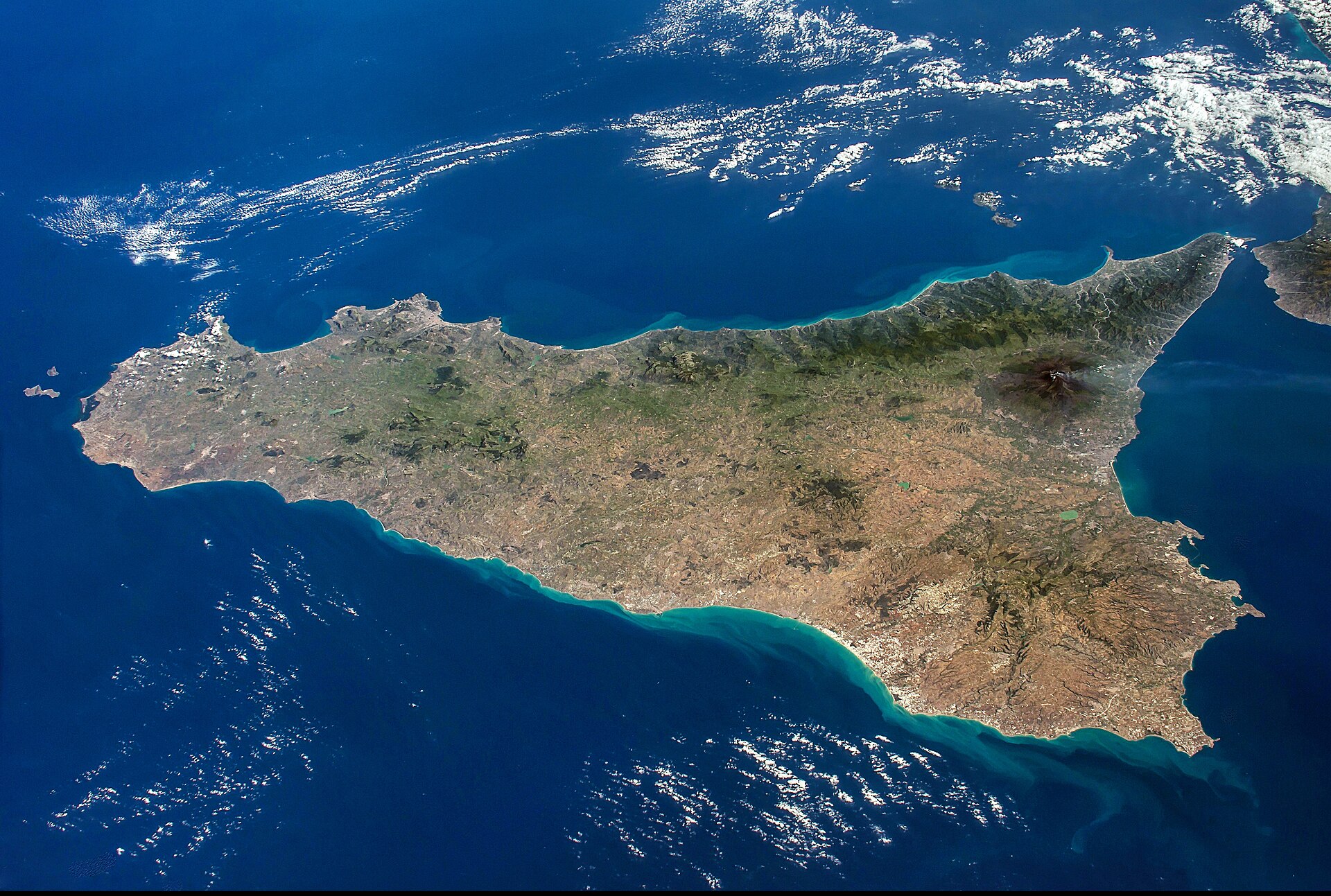
Sicily has railways along several main corridors and intercity buses, but the network is not designed for a quick circuit of the entire coast. A car is useful for Etna, wine estates, reserves and small towns, yet inconvenient in historic centres. Our guide to eastern or western Sicily will help you choose one side.
Sardinia has rail and bus links between larger towns, but famous coves and sparsely populated areas make a car even more important on many routes. On either island, the holiday improves when you choose a region instead of drawing a circle on the map. Seven days suit one main area; two weeks can support two.
Cost and season: place and month matter more than the island's name
Costa Smeralda, Taormina and other international hotspots can cost far more than ordinary towns a short distance away. High season raises the price of flights, cars and accommodation on both islands. Sardinia's coveted coastal areas can make a pure beach holiday expensive, while Palermo and Catania often offer a wider spread of prices.
May, June, September and early October work well when you want warmth and sightseeing. In April and November, city and walking holidays are more realistic than a guaranteed beach break. Winter works best in larger cities; small coastal resorts on both islands can become extremely quiet. Compare months in our guide to the best time to visit Sicily.
Choose by travel style
- Children and easy sandy beaches: Sardinia often has the advantage if you stay close to the chosen beach.
- Culture, food and city life: Sicily delivers more contrasting experiences in one week.
- Road trip: both work, but choose one half or region and avoid a long stage every day.
- Without a car: Sicily is easiest around Palermo–Cefalù or Catania–Taormina–Syracuse; choose Sardinia only with a specific public-transport plan.
- Quiet, walking and clear sea: Sardinia often fits best outside August.
- First journey to southern Italy: Sicily provides the broader introduction.
A good decision matters more than naming a winner
Sicily is not “better” because it has more sights, and Sardinia is not “better” because many of its beaches look more consistently like postcards. The right island is the one where your two or three main wishes can be met without spending half of the holiday in a car.
First write down whether beach, history, food, walking or city life comes first. Then select an airport and a region that combine at least two priorities. If Sicily wins, our guide to where to stay in Sicily will make the choice of base more concrete.