Fact-checked 24 July 2026. Timetables, engineering work, bus operators and road conditions change. Always check the specific service with the operator, especially on Sundays, public holidays and late at night.
The short answer: choose transport for one area, not for all of Sicily
A rental car is best for Etna, wine country, nature reserves, hill towns and accommodation outside centres. Trains are best between a number of larger coastal cities. Buses are essential where no useful railway exists and can be faster between particular towns. A transfer costs more but has real value after a late arrival, with heavy luggage or for a difficult final stage.
The most robust solution is often a combination: rail between cities, a car for several days or one planned transfer. Decide where you will stay before drawing the actual day trips. A transport mode that works perfectly around Palermo may be impractical beneath Etna in the countryside.
Rental car: the greatest freedom and the greatest responsibility
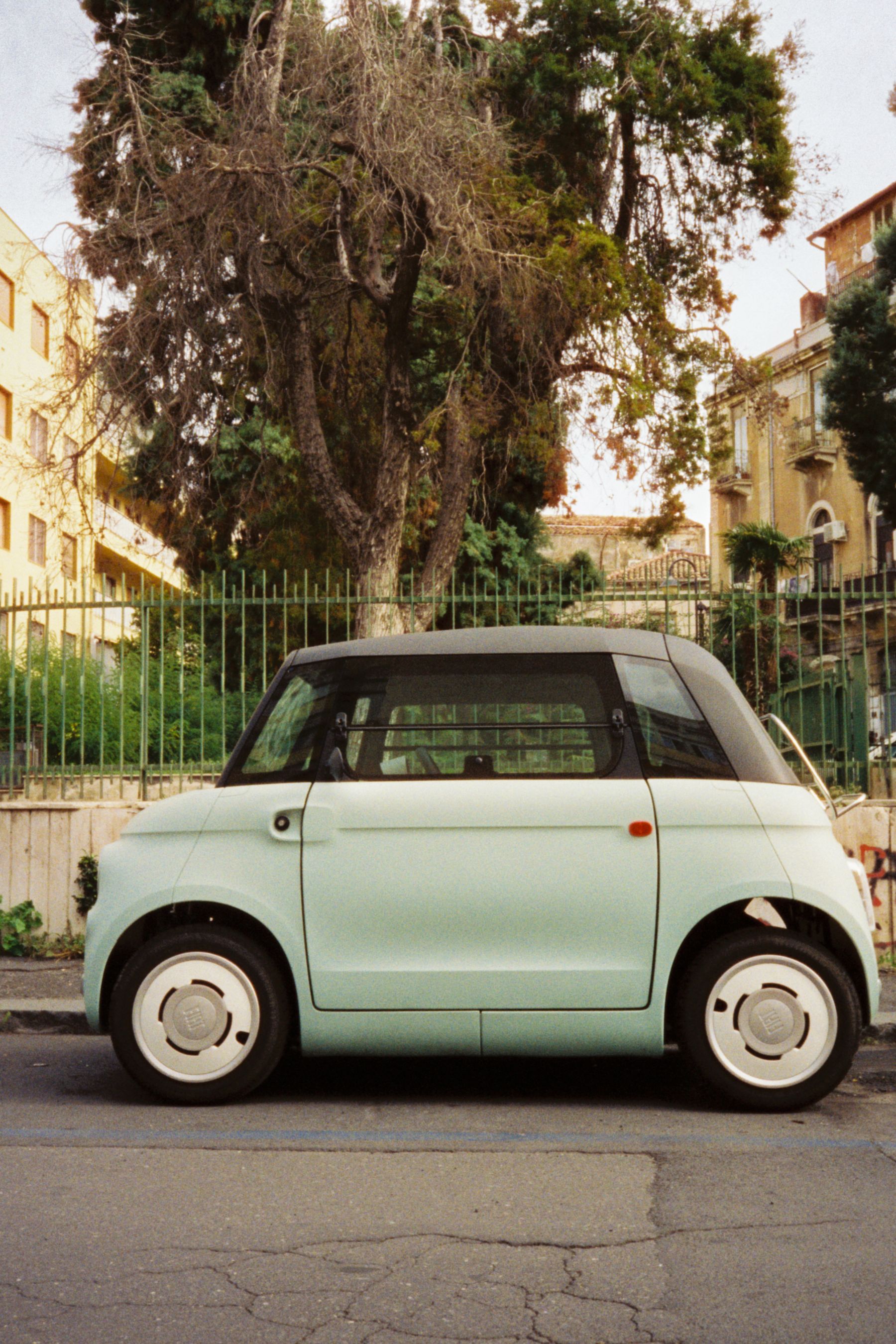
A car opens smaller towns, beaches without a station, wineries and trailheads. It also makes shopping for a holiday home easier. In return, you accept parking, narrow roads, occasional tolls, fuel, insurance and the risk of entering a restricted-traffic ZTL. The historic centres of Palermo, Catania, Syracuse and Taormina are rarely good places to learn local driving habits.
Choose the smallest car that genuinely fits the passengers and luggage, and read the excess and fuel terms. Photograph the vehicle at collection. Our detailed guide to renting a car in Sicily explains insurance, parking and ZTL zones without repeating the full subject here.
Train: best on the main lines and between genuine station towns
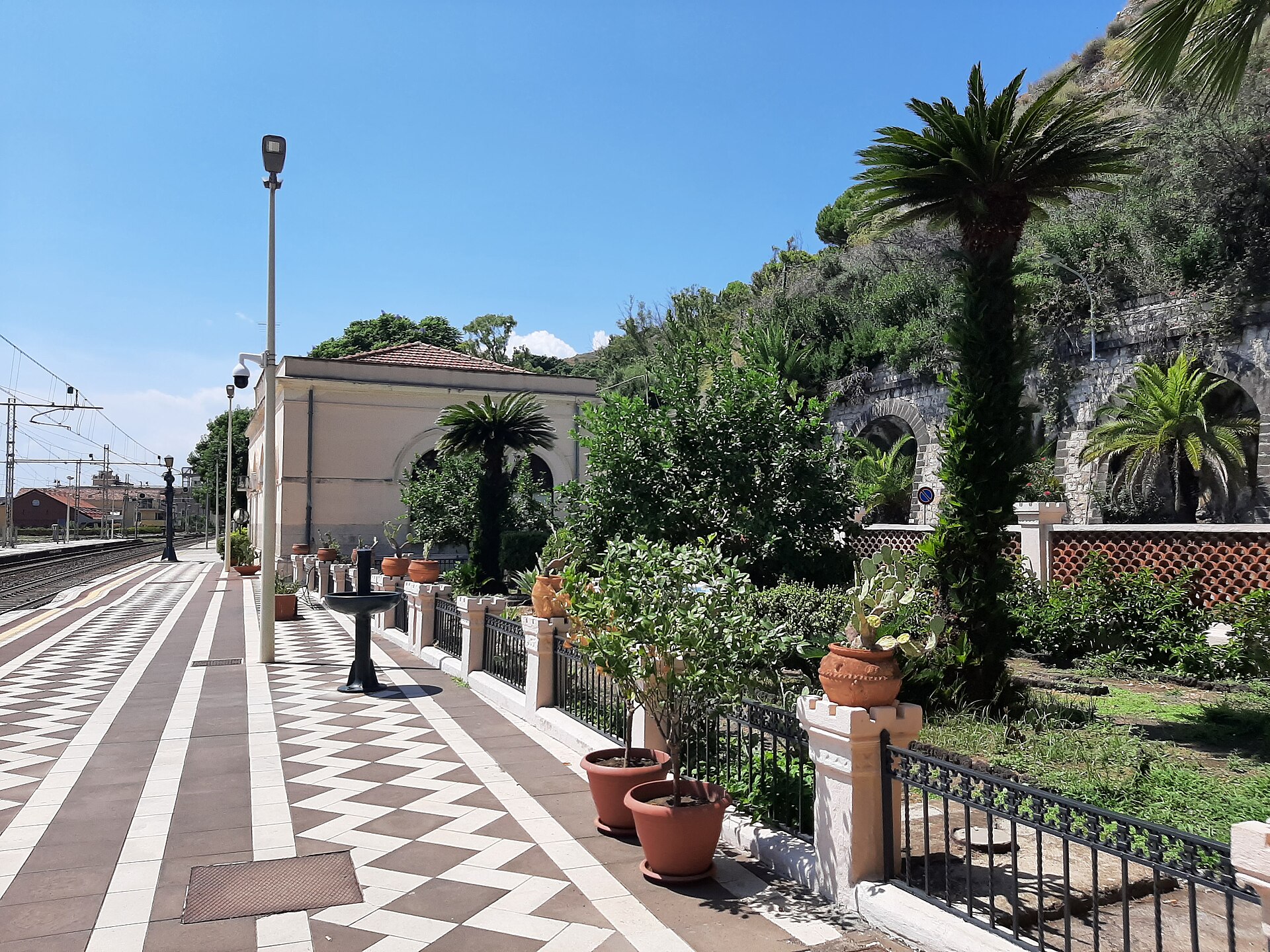
Rail works well along corridors such as Messina–Catania–Syracuse and Palermo–Cefalù–Messina, as well as between Palermo and its airport. Other routes are slower, require changes or are affected by long-term engineering projects. Check the current timetable and disruption information with Trenitalia; never build the trip from a screenshot of an old timetable.
A station name does not guarantee that it stands beside the place you want to see. Taormina-Giardini is down on the coast while central Taormina is higher. Noto station sits below the centre. Etna, Vendicari and many beaches require an onward link. Rail is strongest when both hotel and activity are walkable or connected by a simple local bus.
Bus: useful, but the operator and day of the week matter
Sicily does not have one bus company for every regional route. Different operators cover airports, intercity links and smaller local services. A bus may be the best choice between Catania and Taormina, Palermo and Trapani or onward to a place without a useful train, but frequency varies.
Check the outward and return service, the exact stop and whether the timetable applies on weekdays, Sundays or only in summer. Save the operator's name and your ticket, and arrive early. A last bus at 18:00 changes the shape of the entire day; it is not a detail to solve when the museum closes.
Transfer and taxi: pay for simplicity on the difficult stages
A pre-booked transfer makes sense if the flight lands late, children are tired, you have heavy luggage or the property is far from a station. It costs more than public transport but may be reasonable per person for a family or group. Obtain the price, meeting point, luggage terms and possible surcharges in writing.
A taxi is convenient locally, but a long journey without an agreed price can become expensive. Use official ranks or a provider that your accommodation can identify. Compare a transfer with an extra airport hotel night and the opening time of the car-rental desk; the simplest option is not necessarily the most expensive overall.
Four routes that work without changing transport every day
- Palermo, Monreale and Cefalù: train to Cefalù, local bus or taxi to Monreale and walking within Palermo.
- Catania, Taormina and Syracuse: train and bus between cities; choose a hotel near the station or a central stop.
- Etna and smaller east-coast towns: rent a car for several days or book an excursion; use rail for Catania and Taormina.
- Noto, Vendicari, Marzamemi and Ragusa: a car creates by far the simplest connection, especially for the reserve.
Plan the final kilometre before the rest of the journey
The long leg often looks easy in a journey planner; the problem is the road from the station to the property, beach or trail. Check gradients, pavements, lighting and the last service. One kilometre with a suitcase on an uneven road in 34-degree heat is not the same as one kilometre at home.
If you intend to travel entirely without a car, our guide to Sicily by train and bus provides specific bases and routes. The central rule is to stay where transport is already good instead of choosing an isolated property and trying to repair the logistics afterwards.
A simple decision model
Choose a car if at least half of your essential experiences lie outside station towns. Choose rail and bus if Palermo, Cefalù, Catania, Taormina, Messina or Syracuse dominate the plan and you can stay centrally. Choose a combination if you want cities first and nature afterwards. Use a transfer on the one stage where arrival time or luggage makes everything else vulnerable.
Do not optimise every individual fare. A route with fewer changes, two good bases and a delay buffer normally creates a better holiday than the theoretically cheapest circuit. Start with our guide to where to stay in Sicily, and let the bases determine the transport.